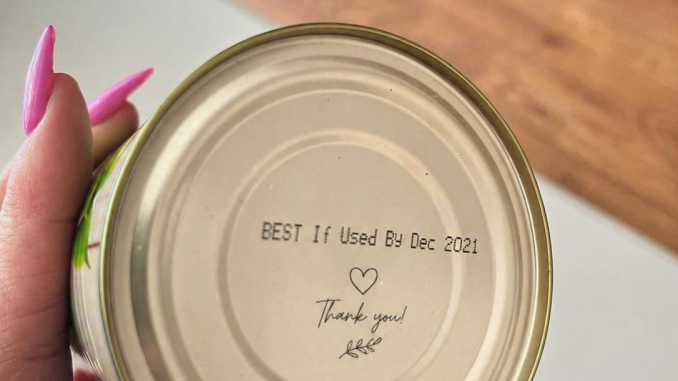
Food expiration dates appear on almost every packaged item in the United States—from milk and yogurt to canned goods and frozen meals. Many people rely on these dates when deciding whether to keep or throw away food, often believing they are strict safety limits. However, in most cases, these labels are meant to reflect food quality rather than actual safety.
Understanding what these dates really mean can help households make smarter choices about storing food, saving money, and reducing waste. According to the U.S. Department of Agriculture (USDA), confusion about food labeling plays a major role in food waste. Each year, around 30–40% of the U.S. food supply is never consumed, leading to billions of dollars lost and unnecessary strain on environmental resources.
For families dealing with rising grocery costs, knowing how expiration dates work can make a real difference. It allows consumers to avoid throwing away perfectly good food while still maintaining safety.
The Real Meaning Behind Expiration Labels
Although expiration dates may look official, they are often misunderstood. In most situations, they serve as guidelines for peak quality—not strict deadlines for when food becomes unsafe.
Why These Dates Exist
Manufacturers include date labels mainly to indicate when a product will taste and look its best. This helps protect brand reputation and ensures customer satisfaction.
Interestingly, most foods are not legally required to have expiration dates in the U.S. The FDA and USDA allow companies to decide whether to include them, with one key exception: infant formula, which must have a safety-based expiration date.
This distinction is important because many consumers assume all dates are related to food safety, when in reality they usually reflect quality.
Understanding Common Date Labels
Different labels carry different meanings, and knowing the difference can prevent unnecessary waste.
“Best If Used By” or “Best Before”
This indicates when a product is at its peak quality. After this date, the food may slowly lose freshness, but it is often still safe to eat if stored properly.
For example:
- Cereal may lose its crunch
- Crackers may go stale
- Dairy products may slightly change in taste
But none of these changes automatically mean the food is unsafe.
“Use By”
This date suggests when a product is at its best quality, especially for perishable items like deli meats or ready-to-eat meals. It is not always a strict safety cutoff.
“Sell By”
This label is meant for stores, not consumers. It tells retailers how long to display a product before removing it from shelves.
Consumers usually still have extra time to safely use the product after this date, especially if it has been stored correctly.
Why This Matters
Misunderstanding expiration dates has both financial and environmental consequences.
Financial Impact
Many households throw away food that is still safe to eat, increasing grocery expenses unnecessarily. Examples include:
- Discarding milk right after the “Best By” date
- Throwing out unopened yogurt
- Tossing canned goods that are still shelf-stable
Reducing this waste can save families hundreds of dollars each year.
Environmental Impact
Food waste also harms the environment. When food is thrown away, it ends up in landfills where it produces methane—a greenhouse gas linked to climate change.
Reducing food waste helps conserve:
- Water used in farming
- Energy used in production and transport
- Land used for agriculture
How Businesses Are Affected
Retailers use expiration dates to manage inventory and ensure product quality. Items close to their sell-by dates are often discounted or removed.
At the same time, manufacturers must balance:
- Food safety
- Product quality
- Supply efficiency
- Regulations
There are ongoing efforts to standardize labeling in the U.S. to make it clearer and reduce confusion.
How Expiration Labels Evolved
Expiration labeling has changed over time along with the food industry.
Growth of Packaged Foods
Before the mid-1900s, most people bought fresh food locally and used it quickly. As packaged foods became more common, manufacturers began adding dates to reassure consumers about freshness.
By the late 20th century, these labels became standard.
Why It’s Still Confusing
Unlike some countries with strict rules, the U.S. allows flexibility in labeling. This has led to multiple terms like “Best By,” “Use By,” and “Sell By,” which often confuse shoppers.
Research from Harvard Law School highlights that this inconsistency is a major cause of food waste.
Practical Tips for Consumers
1. Use Your Senses
Instead of relying only on dates, check for:
- Mold
- Bad smell
- Slimy texture
- Strange color
If these signs are present, the food should be thrown away.
2. Store Food Properly
- Refrigerator: 40°F (4°C) or below
- Freezer: 0°F (-18°C)
Correct temperatures slow down spoilage and keep food fresh longer.
3. Know General Shelf Life
- Eggs: 3–5 weeks when refrigerated
- Milk: Often up to a week after “Best By” if unopened and stored well
- Raw meat: 1–2 days in the fridge
- Rice/pasta: Can last years if dry
- Canned foods: Safe for years if unopened and undamaged
- Frozen foods: Safe indefinitely, though quality may decline
4. Freeze When Possible
Freezing extends the life of many foods like bread, meat, and leftovers, helping reduce waste.
5. Plan Ahead
- Use older items first
- Label leftovers
- Freeze food before it spoils
- Avoid overbuying
These habits improve both safety and budgeting.
Conclusion
Food expiration dates are helpful, but often misunderstood. In most cases, they indicate when food is at its best quality—not when it becomes unsafe.
By understanding the difference between “Best By,” “Use By,” and “Sell By,” and by storing food correctly, households can save money, reduce waste, and make better decisions.
At a time when grocery prices are rising, these small changes can have a big impact—both financially and environmentally.