There are few parenting moments that trigger instant worry like noticing a tiny insect moving through your child’s hair. One second everything seems normal, and the next you’re leaning in closer, unsure of what you’re seeing. For many families, this is the beginning of dealing with head lice.
Head lice are very common, especially among school-age children. While they don’t carry diseases or pose serious health risks, they can still cause discomfort, frustration, and a lot of extra effort for parents. Once they appear, they can spread easily—especially in places where children are in close contact, like schools, playgrounds, or sleepovers.
For parents experiencing this for the first time, it can feel overwhelming. With so many products, tools, and conflicting advice online, it’s easy to feel unsure about what to do. Questions come quickly: Where did they come from? Are they dangerous? How do you remove them completely? And how do you stop them from coming back?
The good news is that lice are manageable. Understanding how they live and spread makes the process much easier. With the right approach and a bit of patience, they can be eliminated successfully.
What Are Head Lice?
Head lice are tiny insects that live on the scalp and feed on small amounts of blood. Scientifically known as Pediculus humanus capitis, they survive only on humans and cannot live elsewhere.
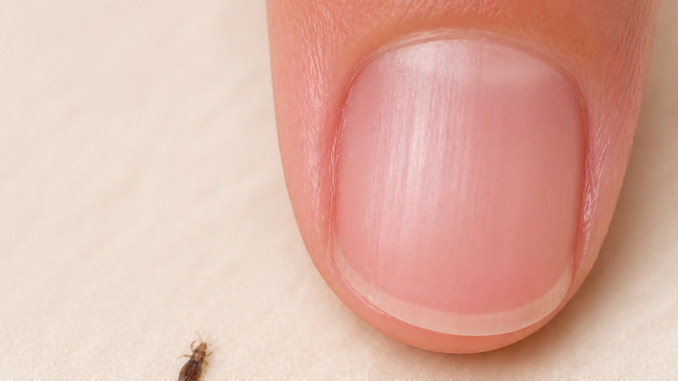
They are extremely small—about the size of a sesame seed—and can be tan or grayish-white, which makes them hard to spot. Since they stay close to the scalp and move quickly, they’re not always easy to notice right away.
Lice don’t fly or jump. They spread by crawling from one head to another, which is why close contact is the main way they move between people.
Once on the scalp, they feed multiple times a day. Their bites can cause itching, although some people may not notice symptoms immediately.
Understanding Lice Eggs (Nits)
One of the main reasons lice are difficult to eliminate is their eggs, known as nits. These are laid close to the scalp, where warmth helps them develop.
Nits are tiny and can look like dandruff or grains of sand. However, unlike dandruff, they stick firmly to the hair and can’t simply be brushed away.
They typically hatch within about a week, and the young lice mature into adults shortly after. Because of this fast life cycle, infestations can grow quickly if not treated properly.
That’s why removing the eggs is just as important as killing the lice.
How Lice Spread
A common myth is that lice are linked to poor hygiene—but that’s not true. Lice can affect anyone, regardless of how clean their hair is.
The most common way lice spread is through direct head-to-head contact. Children playing closely together are especially at risk.
Less often, lice may spread through shared items like:
- Hairbrushes or combs
- Hats or helmets
- Hair accessories
- Pillows and bedding
- Scarves or hooded clothing
Because kids often share these items, lice can move quickly through groups.
Signs and Symptoms
The most common symptom is itching, caused by reactions to lice bites. However, itching may take time to appear.
Other signs include:
- A tickling or crawling sensation on the scalp
- Trouble sleeping due to itching
- Red bumps near the hairline
- Small eggs attached to hair strands
- Seeing lice moving in the hair
Sometimes, lice are discovered accidentally during brushing or styling.
Stay Calm and Take Action
Although it may feel stressful, lice are very manageable. Many families deal with them every year.
The key is to act quickly and follow a consistent treatment plan. This usually includes treatment products, careful combing, and basic cleaning at home.
Patience and consistency are the most important factors for success.
Step 1: Use a Treatment Product
Start by using a lice treatment such as a medicated shampoo, lotion, or cream.
Always follow the instructions carefully. In most cases, this involves:
- Applying the product to the hair
- Covering the scalp completely
- Leaving it on for the recommended time
- Rinsing thoroughly
These treatments kill live lice, but may not eliminate all eggs.
Step 2: Remove Nits with a Fine Comb
After treatment, use a fine-toothed nit comb to remove lice and eggs.
For best results:
- Work with wet hair
- Divide hair into small sections
- Comb from scalp to ends slowly
- Clean the comb after each pass
This step is time-consuming but essential.
Step 3: Repeat the Treatment
Because some eggs may hatch later, a second treatment is usually needed after 7–10 days.
This helps eliminate any newly hatched lice before they reproduce.
Skipping this step can allow the infestation to continue.
Step 4: Clean Household Items
Lice don’t survive long off the scalp, but cleaning helps prevent reinfestation.
Wash in hot water:
- Bedding
- Clothes worn recently
- Towels
- Hats and scarves
Dry items on high heat when possible.
Items that can’t be washed can be sealed in plastic bags for two weeks.
Also soak combs and brushes in hot water.
What You Don’t Need to Do
There’s no need for extreme cleaning.
Lice cannot survive long on furniture or floors. Vacuuming and washing key items is enough.
Avoid using insect sprays in the home—they’re unnecessary and can be harmful.
Check the Whole Family
If one person has lice, check everyone in the household.
Look closely around the ears and the back of the neck.
Treat anyone who shows signs at the same time.
Prevention Tips
While lice can’t always be prevented, you can reduce the risk:
- Avoid sharing personal items
- Keep long hair tied back
- Check hair regularly during school seasons
Common Myths
- Lice are not caused by poor hygiene
- They do not jump or fly
- Pets do not spread human lice
Understanding this helps reduce unnecessary worry.
Patience Is Important
Getting rid of lice can take time, especially when removing nits.
Stay consistent and patient—most cases are resolved within one to two weeks.
Reassure children that lice are common and nothing to feel embarrassed about.
When to Seek Help
If treatments don’t work or lice keep returning, consult a doctor or pharmacist.
Professional lice removal services may also help in some cases.
Final Thoughts
Finding lice can be stressful, but it’s a temporary and manageable situation.
With the right treatment, careful combing, and simple cleaning steps, lice can be fully eliminated.
Most importantly, remember—this is a common issue and not a reflection of hygiene or parenting.
With calm action and the right approach, your household will be back to normal quickly.