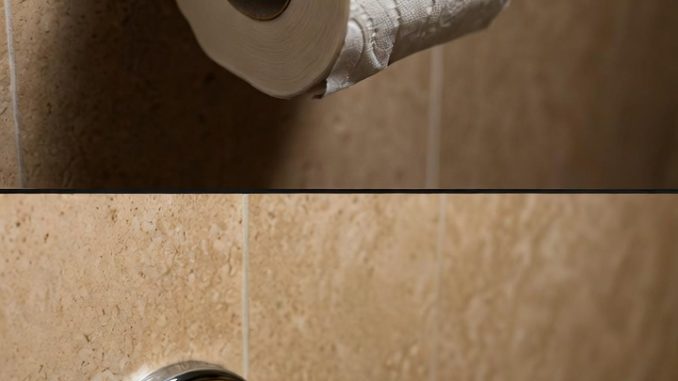
Toilet paper has been a normal part of daily life for generations. In many homes, it is one of those products people use without thinking much about where it comes from or what impact it may have. But as more people become aware of sustainability, waste reduction, and eco-friendly living, even this everyday bathroom item is receiving more attention.
For years, toilet paper was seen as simple, convenient, and necessary. However, environmental concerns have encouraged many consumers to look more closely at how it is made. Large-scale toilet paper production can require trees, water, energy, transportation, and industrial processing. In some cases, bleaching and chemical treatments are also part of the manufacturing process.
Because of this, many households are now asking whether there are better and more sustainable ways to manage everyday hygiene.
One of the most popular alternatives is the bidet. While bidets have been common in many parts of Europe and Asia for a long time, they are now becoming more familiar in North American homes as well. A bidet uses water for cleaning, which can greatly reduce the amount of toilet paper a household uses.
Modern bidet options range from simple attachments that connect to an existing toilet to advanced systems with heated seats, adjustable water pressure, warm air drying, and self-cleaning features. Many people who switch say they feel cleaner and more comfortable while also using less paper.
Another option gaining attention is reusable cloth wipes, sometimes called family cloth. These are washable pieces of fabric usually made from cotton, flannel, or bamboo. While the idea may feel unfamiliar to some people, supporters compare it to other reusable products such as cloth diapers, washable cleaning cloths, and reusable makeup pads.
For many families, the motivation is not only environmental. Reducing toilet paper use can also save money over time. A bidet attachment may last for years, and reusable cloths can be washed and used repeatedly. This can reduce recurring household expenses, especially during times when prices for basic products continue to rise.
The growing interest in these alternatives also reflects a larger cultural shift. People are becoming more mindful about everyday habits, from reusable shopping bags and refillable water bottles to composting and reducing plastic waste. Eco-friendly bathroom habits are slowly becoming part of that same conversation.
Of course, not everyone is ready to give up traditional toilet paper completely. Some people prefer familiar routines, while others may find bidet installation difficult depending on their bathroom setup. High-end models can also be expensive. Still, simple and affordable options are making it easier for curious households to try something new.
Water-based cleaning also appeals to many people for comfort and hygiene reasons. Some find it gentler on sensitive skin, while others believe it provides a cleaner feeling than dry paper alone. For many households, the environmental benefit becomes an added bonus.
In the end, the conversation around toilet paper is about more than one household product. It is part of a broader discussion about disposable living and the small choices people make every day. Even modest reductions in paper use can help lower waste and encourage more thoughtful consumption.
Toilet paper may seem like a small detail in daily life, but the growing interest in bidets, reusable cloths, and other alternatives shows how sustainability can begin with simple changes at home. For many families, making small adjustments today may lead to cleaner, more practical, and more eco-conscious living in the future.