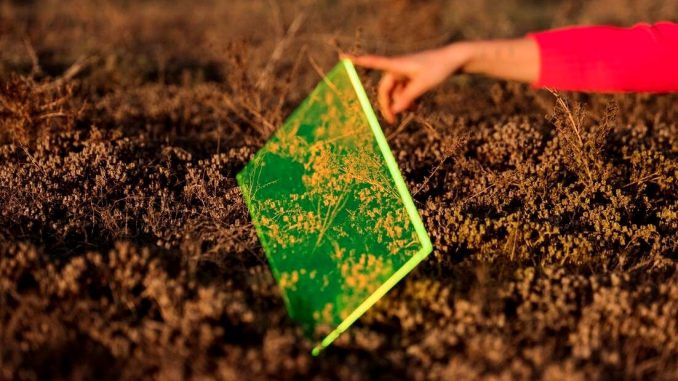
Researchers at ETH Zurich have developed a new method to break down acrylic glass, often known by the brand name Plexiglas. This technique almost completely returns the material to its original building blocks, making it easier and cheaper to recycle effectively for the first time. Acrylic glass is commonly found in products like windows, car taillights, furniture, and protective barriers. Historically, many of these items ended up as waste because previous recycling methods were too expensive, used too much energy, or were too complex for companies to implement. The new approach addresses these issues.
The team used a single, low-cost chemical that is already accessible, allowing them to recover up to 98% of the material as pure monomers. The reaction occurs at slightly above 200°C, which is about half the temperature required by older methods, and it does not require solvents. Even when the original acrylic was colored or had impurities, the material recovered was clean enough to create new products similar in quality to virgin plastic.
Since this method can be utilized with existing equipment and standard procedures, companies would not need to make significant, costly changes to their operations. ETH Zurich has applied for a patent and is looking for industry partners to help scale this method. The researchers also believe that this approach could potentially be adapted for recycling other common plastics, such as polystyrene.
Richard Whitfield, the lead author of the study published in Nature Chemistry, mentioned that the simplicity of this new method is what makes it so promising. For a material found in millions of products globally, this development is an encouraging step towards reducing the amount of plastic in landfills and transforming waste back into valuable, high-quality items with much lower energy costs. What do you think about this breakthrough in plastic recycling?
Sources:
Source: Good News Network, by good news network