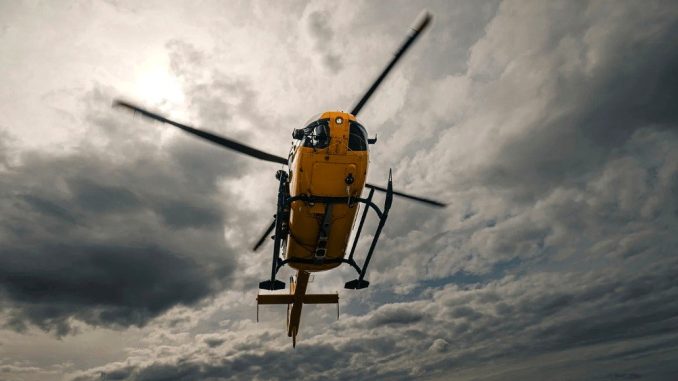
For many years, river restoration in the Northwestern United States operated under a simple guideline: logs in the water should be removed. Clean rivers were considered healthy, and fast-moving water was viewed as ideal, while wood was seen as a barrier to natural processes, especially for local fish. Today, however, helicopters are transporting thousands of tree trunks back into rivers to change this approach. In central Washington, one of the largest river restoration initiatives in the area is in progress. More than 6,000 logs are being added along about 38 kilometers, or 24 miles, of rivers and streams on the Yakama Reservation and adjacent ceded lands.
Nearly four decades ago, Scott Nicolai, a habitat biologist with the Yakama Nation, was involved in the opposite type of work. He reflected that at that time, they removed large log jams because they believed they blocked fish movement and disrupted stream flow.

The removal of logs aimed to simplify river habitats, but it soon became apparent that wood was essential for creating diverse environments that provide sheltered areas for salmon and bull trout to spawn and support algae that feed aquatic insects. Logs also help to slow water flow, distribute it across floodplains, and allow it to seep into the groundwater. This groundwater is then gradually released back into the streams, keeping them flowing and cooler during warm, dry spells.
The negative impacts of eliminating this key element of the ecosystem became increasingly clear, contributing to dried-up rivers and declining wildlife populations. Phil Rigdon, the director of the Yakama Nation Department of Natural Resources, emphasized the importance of learning from past mistakes to improve management practices.
To restore river complexity, Nicolai is now part of a Yakama Nation project that reintroduces logs into rivers. Given that many streams are inaccessible by road, helicopters are employed for this task. Logs are transported from designated staging areas and placed at specific drop sites marked with flagging tape. The wood used in this effort originates from forest-thinning projects by The Nature Conservancy and includes species like Douglas fir, grand fir, and cedar. Instead of being sold, this timber is repurposed to restore river environments.
For tribal leaders, this project holds significant cultural importance. They gathered along the Little Naches River during helicopter flights to conduct a ceremony and prayer. Former tribal chairman Jerry Meninick shared that the goal was to return elements that rightfully belong to the land. The initial restoration attempts highlight how human beliefs, such as valuing “cleanliness,” can sometimes lead to negative consequences. Despite this, nature has a remarkable ability to heal itself when given the chance.
What are your thoughts on this restoration project?
Sources:
Source: Upworthy, by Heather Wake