When looking at photos from the 19th and early 20th centuries, it’s common to notice how serious the people appear. If they do show any smile, it’s very faint. Often, these images give off the impression that those in the photos were posing for something gloomy, like a mug shot. This raises the question: why were smiles so rare in these pictures? Was life back then so tough that joy was hard to find?
One main reason for the serious expressions in old photographs relates to the long exposure times of early cameras. Unlike today, where photos can be taken instantly, people in the 1800s had to remain still for several minutes to capture a picture. Keeping a smile for that amount of time is challenging and quickly feels unnatural. Smiles are usually quick reactions, not something someone can maintain for long. Even those recognized for their cheerful demeanor don’t smile widely for minutes. Therefore, when required to stay still for a long time, it was nearly impossible to keep a smile.
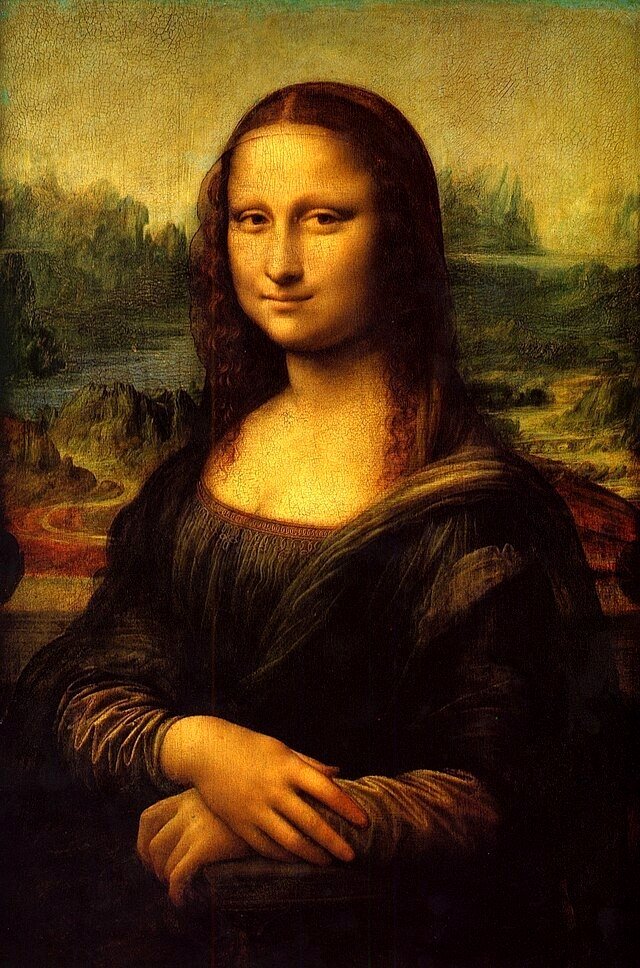
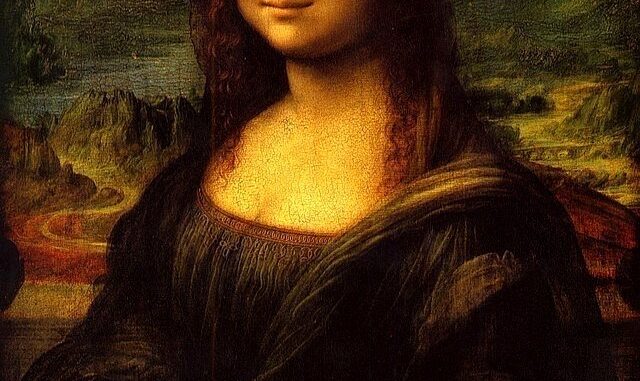
Additionally, there were cultural influences that affected smiling in early photography. Before photography, painted portraits had set a precedent for serious faces. Famous portraits from history show that sitting for a painting could take hours, making it impractical to smile. Other than slight smirks, like that of the Mona Lisa, painted subjects typically did not smile. Thus, it was not customary for people to show their teeth for a photograph, especially since dental care at that time did not produce the bright smiles we see today.
Moreover, the meaning of smiling has changed over the years. Art historian Nicholas Jeeves explained in Public Domain Review that smiling in the 1800s often carried different cultural implications. In Europe by the 17th century, it was believed that only certain groups, like the poor or drunk, would appear smiling in art. For the upper classes, showing teeth was seen as improper.
Even artists who tried to paint smiles did not achieve good results. Smiles are lively and fleeting expressions, making them difficult to capture in a static art form like painting. When artists did include smiles, they often appeared strange or inappropriate. This further reinforced the view that smiling was linked to lack of dignity, and this idea persisted even after the introduction of cameras that required shorter exposure times.
This meant that even during joyful occasions, photographs often lacked any sign of happiness. What do you think about the reasons behind these serious expressions in old photos?
Sources:
Source: Upworthy, by Annie Reneau