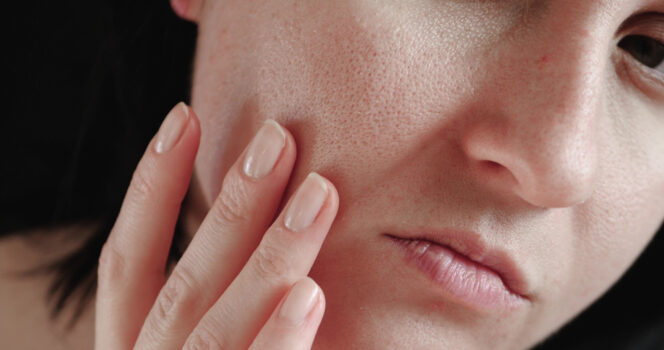
For years, many women have blamed their constantly tired appearance on stress, busy schedules, or not getting enough sleep. But a growing social media trend is now suggesting that some of these changes could be linked to something happening inside the body.
The trend, known online as “ferritin face,” has gained attention as women share their experiences with low iron levels and the impact they believe it has had on their appearance. While “ferritin face” is not a recognized medical condition, health experts say the phrase highlights a real issue that often goes unnoticed: low iron stores.
Women describing the trend often mention signs that developed slowly over time, including dark circles under the eyes, pale or dull skin, thinning hair, and a tired look that doesn’t disappear — even after getting plenty of rest.
“Why Do I Always Look Exhausted?”
For many people sharing their stories online, the concern wasn’t about appearance alone. They were searching for an explanation.
“Why do I look dead all the time?” one woman wrote in a TikTok video while sharing her experience.
She explained that low iron made her look exhausted even after sleeping for hours, adding that no amount of skincare products or beauty routines could fix what her body was lacking.
“Your skin reflects what your body needs,” she wrote, encouraging others to consider checking their iron levels.
Another woman shared her own experience, saying she discovered her ferritin level was extremely low.
“I’m 41. My ferritin was at 3. I felt like a walking zombie. Now it’s above 20 and I feel like a completely different person,” she said.
As more people related to these stories, the conversation grew around whether changes that appear cosmetic may actually be signs of an underlying health problem.
How Low Iron Can Affect Your Appearance
Ferritin is a protein that stores iron in the body and acts as a reserve supply. When ferritin levels drop, the body has less iron available for important functions, which can eventually affect energy, skin, and hair.
Dr. Josef Hadeed, a double board-certified plastic surgeon in Beverly Hills, compared ferritin to the body’s “iron storage vault.”
“When ferritin levels fall, the body may struggle to produce enough hemoglobin, the iron-containing protein in red blood cells that carries oxygen throughout the body,” he explained.
With less oxygen reaching tissues, the skin may lose some of its natural color, making dark circles under the eyes appear more noticeable. Low iron may also contribute to thinner-looking skin around the eyes, creating a more tired appearance.
It’s More Than Just Dark Circles
Doctors emphasize that appearance is only one possible sign of iron deficiency.
According to health professionals, symptoms can become more noticeable as ferritin levels decrease. Beyond pale skin and under-eye circles, low iron may cause:
- Constant fatigue
- Dizziness
- Headaches
- Brittle nails
- Hair shedding or thinning
- Shortness of breath during activity
- Trouble focusing
- Unusual cravings, such as chewing ice
Other possible symptoms include restless legs, poor sleep, a sore tongue, feeling unusually cold, a fast heartbeat, or a pulsing sensation in the ears.
Why Iron Levels Can Drop
Experts say low iron isn’t always caused by not eating enough iron-rich foods.
Common reasons include heavy menstrual bleeding, pregnancy, and frequent blood donation. Certain digestive conditions can also prevent the body from properly absorbing iron.
Chronic blood loss and some medical conditions may also contribute. People who have had bariatric surgery can face a higher risk because their bodies may absorb fewer nutrients afterward.
Some medications that reduce stomach acid may also affect iron absorption.
Doctors say the most important step is finding out why iron levels became low in the first place so the problem can be properly addressed.
Experts Warn Against Self-Treating
Although the viral trend has encouraged many people to get their iron levels checked, doctors warn against taking iron supplements without medical guidance.
“This is not something people should diagnose and treat on their own,” experts caution.
Unlike some vitamins, the body does not easily remove excess iron, and taking too much can lead to harmful iron buildup that may affect organs such as the liver and heart.
Doctors usually confirm iron deficiency through a blood test and then investigate the possible cause before recommending treatment.
Treatment and Recovery
Treatment depends on the severity of the deficiency and may include iron supplements, intravenous iron in more serious cases, and adding more iron-rich foods to the diet.
Foods that contain iron include lean meats, leafy green vegetables, beans, lentils, and fortified grains.
Some people experience side effects from oral iron supplements, including nausea, constipation, stomach discomfort, and digestive issues. Taking iron every other day may help reduce these problems while still allowing the body to absorb it effectively.
The encouraging news is that the changes associated with “ferritin face” are often temporary. Once iron stores improve and the body restores healthy hemoglobin levels, skin tone and energy levels may gradually return.
If you’ve noticed persistent tiredness, dark circles, or changes in your appearance that don’t improve with rest, talking with a healthcare professional and checking your iron levels could help uncover the reason.