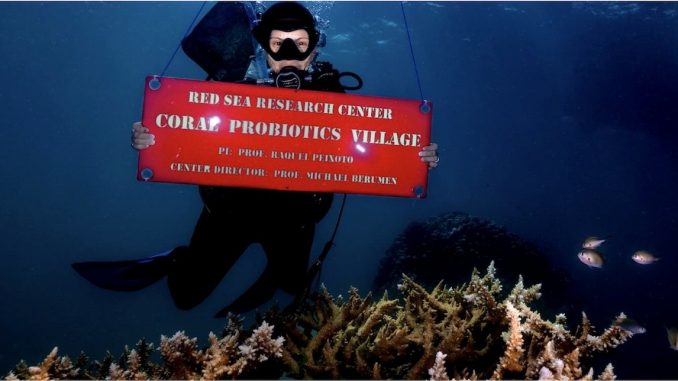
Coral affected by heat stress has shown signs of recovery after scientists successfully used probiotic and post-biotic treatments in open waters for the first time. While previous studies indicated that probiotics could help corals in places like South Florida and aquarium settings, the research team wanted to see if these treatments would be effective in the Red Sea. Their study showed that both live probiotics and inactivated post-biotics can enhance coral health, especially during a natural marine heatwave.
Dr. Erika Santoro, a co-lead author of the study, emphasized the need to understand how some corals can withstand heat and how these abilities can be enhanced safely. She noted that corals have beneficial bacteria that help them adapt to their surroundings. The goal of this microbial therapy is to not only support the corals but also to restore their vital microbiomes. Probiotics are live microbes sourced from healthy corals applied to those in distress, while post-biotics consist of inactivated probiotics or their bioactive parts. Dr. Santoro mentioned that post-biotics could be especially promising due to their potential for longer shelf life, easier transport, and lower production costs.
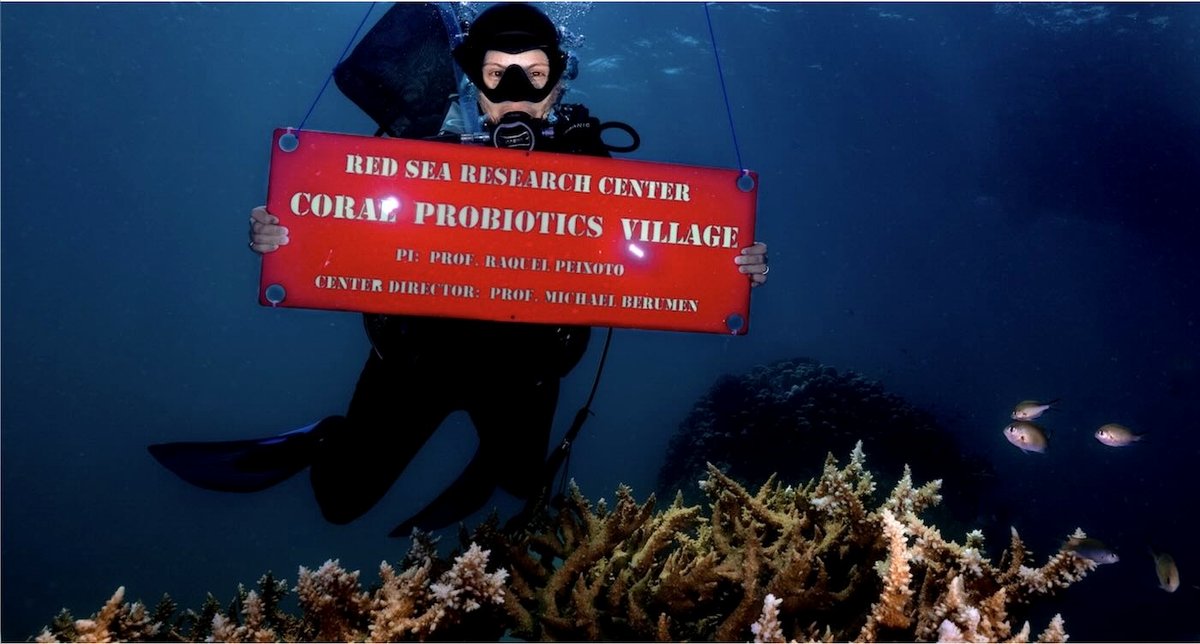
In 2022, during a heatwave when seawater temperatures averaged between 87.6°F and 89.5°F (30.9°C to 31.9°C), the research team treated Valid Acropora corals in the central Red Sea. Over a 15-day field experiment, they collected beneficial bacterial strains from local corals to create two probiotic treatments and their post-biotic variants. Researchers assessed the corals’ health by examining their color—whiter or “bleached” corals indicate stress—and the photosynthetic ability of the algae living within them. After the treatment period, one probiotic and one post-biotic mixture were found to significantly improve coral health.
Dr. Santoro expressed surprise at how well the treatment worked under real-world conditions, highlighting that the study presents a new path for coral microbial therapies. The research also included genetic and metabolic tests on the corals, which indicated that the treatments altered their microbial and metabolic profiles. Specifically, corals treated with post-biotics showed an increase in Cobetia strains, which help corals manage heat stress. Coral researchers globally continue to focus on this important goal.
What are your thoughts on these findings?
Sources:
Source: Good News Network, by Good News Network