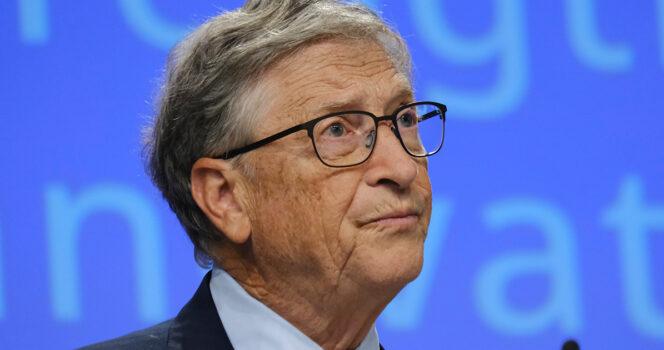
As artificial intelligence continues to transform the workplace, Bill Gates has warned that AI could dramatically change the future of employment. However, he believes some careers will remain valuable because they depend on human creativity, judgment, and problem-solving.
During an appearance on The Tonight Show with Jimmy Fallon, Gates explained that many skills people currently rely on experts for — such as medical advice and education — could become widely available through AI. He described this future as “free intelligence,” where advanced knowledge becomes easier for everyone to access.
Gates said that while AI may eventually outperform humans in many areas, there are still certain activities and professions where human involvement will remain important. He noted that people will always value experiences that machines cannot truly replace.
AI is already affecting many industries, with jobs involving repetitive tasks, customer support, administrative work, translation, and travel services facing increased automation. Experts say the biggest impact may not be the complete disappearance of jobs, but rather AI handling many routine responsibilities.
Gates has highlighted three careers he believes are likely to remain strong:
Software Development:
Although AI can help write code and assist programmers, Gates believes skilled developers will still be needed to design systems, solve complex problems, manage projects, and improve AI technology.
Energy:
The energy sector requires professionals who can make difficult decisions, manage large systems, and respond to unexpected challenges. AI may become a powerful tool, but human experience will still play a major role.
Biology and Medical Research:
AI can analyze huge amounts of scientific data, but Gates believes major discoveries require human curiosity, creativity, and the ability to ask new questions.
Other experts also argue that careers based on emotional intelligence, creativity, and human connection will be harder for AI to replace. Fields such as therapy, caregiving, teaching, and certain creative professions rely on qualities that machines still struggle to copy.
As AI continues to evolve, the future of work remains uncertain. What is clear is that the jobs most likely to survive may be those where humans bring imagination, empathy, and unique decision-making skills.