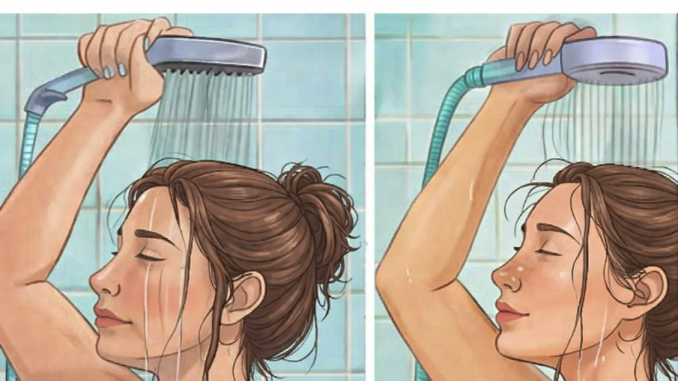
For many people, stepping into a warm shower after a long day feels like one of life’s simplest pleasures. The sound of water, the rising steam, and the feeling of washing away sweat and stress can be incredibly relaxing. In modern American culture, daily showers are often seen as essential for hygiene, confidence, and overall well-being.
However, dermatologists and health experts increasingly suggest that bathing too frequently may come with unintended consequences. While cleanliness is important, using hot water and strong soaps too often can interfere with the skin’s natural protective systems.
The human body is designed with its own balance. The skin produces natural oils to stay hydrated, beneficial bacteria form a protective layer, and the immune system constantly interacts with the environment. When these systems are repeatedly stripped away through excessive washing, the body may struggle to maintain that balance.
This doesn’t mean bathing is harmful. Instead, experts highlight the importance of moderation. For many people—especially those with sensitive skin—less frequent bathing combined with gentle cleansing can actually support healthier skin.
Understanding the Skin’s Natural Protection
The skin is more than just an outer layer—it is the body’s largest organ. Covering around 20 square feet, it plays several vital roles:
- Protecting internal organs
- Regulating body temperature
- Preventing moisture loss
- Producing vitamin D
- Acting as the first barrier against harmful microbes
These functions depend heavily on natural oils, beneficial microorganisms, and a strong outer barrier.
The Role of Natural Oils
Sebaceous glands in the skin produce sebum, a natural oil that:
- Keeps skin moisturized
- Prevents dryness and cracking
- Protects hair follicles
- Supports the skin’s microbiome
Frequent showers—especially with hot water—can remove these oils faster than the body can replace them. As a result, this may lead to dryness, irritation, and increased sensitivity.
The Skin Microbiome
The skin is home to beneficial bacteria that help protect against harmful microbes and support the immune system. Overwashing, particularly with antibacterial products, can disturb this balance.
While hygiene is essential, experts note that excessive cleansing may reduce the very bacteria that help keep skin healthy.
Effects of Overwashing
Dryness and irritation are among the most common issues. When the skin barrier is weakened, it can lead to itching, flaking, redness, and increased sensitivity.
Hot water can also expand blood vessels, which feels relaxing—but over time may contribute to dryness, dizziness, or worsening of conditions like eczema.
In some cases, extreme water temperatures can temporarily affect how the body regulates heat and circulation.
Impact on Hair and Scalp
Hair and scalp health are closely linked to skin health. Natural oils help keep hair soft, flexible, and protected.
Washing hair too often may:
- Cause dryness and breakage
- Lead to frizz and dullness
- Irritate the scalp
Ironically, the scalp may respond by producing more oil, creating a cycle of frequent washing.
Many dermatologists suggest washing hair two to three times per week, though this varies depending on hair type and lifestyle.
Hygiene and the Immune System
Researchers have explored the idea that excessive cleanliness may reduce exposure to beneficial microbes—a concept often called the “hygiene hypothesis.”
Moderate exposure to everyday environmental bacteria may help train the immune system. While this doesn’t mean avoiding hygiene, it highlights the importance of balance.
This is one reason pediatricians often recommend less frequent bathing for young children, unless necessary.
Changing Bathing Habits Over Time
Bathing practices have evolved across history and cultures. While ancient civilizations valued bathing, daily showers became common only in the modern era with the rise of indoor plumbing.
Today, daily bathing is often seen as standard—but experts note that full-body washing every day is not always necessary.
In many cases, focusing on key areas like the face, hands, and underarms may be enough between full showers.
Tips for a Healthier Routine
- Keep showers short (around 3–5 minutes)
- Use warm instead of hot water
- Choose gentle, fragrance-free cleansers
- Moisturize immediately after bathing
- Adjust frequency based on your lifestyle
People who sweat more or work outdoors may need more frequent showers, while others may not.
Conclusion
Bathing remains an important part of daily hygiene, but more is not always better. Frequent washing—especially with hot water and harsh soaps—can weaken the skin’s natural defenses over time.
A balanced approach that respects the body’s natural systems can help maintain both cleanliness and healthy skin. Sometimes, allowing the skin to do what it’s designed to do is the best way to protect long-term health.