For most people, food is about nourishment, flavor, and enjoyment. But in some parts of the world, everyday meals can carry serious risks—and in rare cases, even be deadly.
Would you knowingly eat something that could kill you? Surprisingly, millions of people do. Some dangerous foods remain popular because they are cultural delicacies, while others are essential staples that communities rely on for survival. Here are 10 of the world’s most hazardous foods and the reasons people continue to eat them.
Cassava: A Staple That Can Turn Deadly
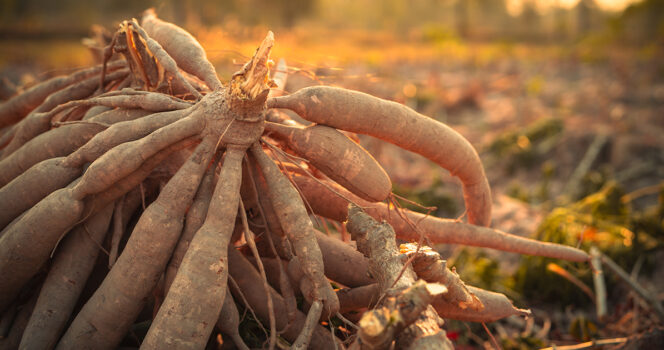
Cassava may look like an ordinary root vegetable, but its roots and leaves contain natural compounds that release cyanide if eaten raw or prepared incorrectly.
According to the World Health Organization (WHO), cassava poisoning is responsible for around 200 deaths each year, making it one of the world’s deadliest foods. Despite the danger, more than 800 million people across about 80 countries depend on cassava because it is drought-resistant, easy to cultivate, and an important source of carbohydrates. Proper soaking, fermenting, drying, or boiling removes the toxins and makes it safe to eat.
Fugu: Japan’s Risky Delicacy
Fugu, or pufferfish, is one of Japan’s most famous delicacies—but it contains tetrodotoxin, a poison estimated to be hundreds of times more toxic than cyanide.
Poisoning can cause numbness, paralysis, and death, while victims often remain conscious throughout. Since there is no antidote, only specially licensed chefs are allowed to prepare fugu. Despite the risks, many people seek it out for its unique flavor and the slight tingling sensation it can produce.
Starfruit: Safe for Most, Dangerous for Some
Starfruit is rich in vitamin C and antioxidants, but it can be life-threatening for people with kidney disease.
When the kidneys cannot remove certain toxins found in the fruit, they may build up in the body and trigger confusion, seizures, or even death. For individuals with healthy kidneys, however, starfruit is perfectly safe to enjoy.
Cherry Pits and Apple Seeds
Cherry pits and apple seeds contain amygdalin, a natural compound that releases cyanide when crushed or chewed.
While swallowing a whole cherry pit is generally harmless, chewing large amounts of pits or seeds can cause dizziness, nausea, breathing difficulties, and, in extreme cases, poisoning.
Green Potatoes
Potatoes exposed to light can develop green patches along with increased levels of solanine, a natural toxin.
Eating large amounts may lead to nausea, vomiting, and, in severe situations, paralysis or coma. Removing green areas or avoiding heavily green potatoes significantly reduces the risk.
Raw Cashews
True raw cashews contain urushiol—the same irritating compound found in poison ivy.
The “raw” cashews sold in grocery stores have actually been heat-treated to remove the toxin, making them safe to eat. Fresh, untreated cashews can cause skin irritation and allergic reactions.
Nutmeg
Nutmeg is commonly used in baking and holiday recipes, but consuming large amounts can be dangerous.
Its active compound, myristicin, may cause hallucinations, rapid heartbeat, nausea, seizures, and prolonged neurological symptoms when taken in excessive doses.
Wild Mushrooms
Certain wild mushrooms, including the deadly death cap, contain toxins capable of causing fatal organ failure.
Many poisonous mushrooms closely resemble edible varieties, making them especially dangerous for inexperienced foragers. Experts recommend eating only mushrooms from trusted sources.
Rhubarb Leaves
While rhubarb stalks are commonly used in desserts, the leaves contain high levels of oxalic acid.
Consuming the leaves in significant quantities can lead to kidney damage or failure, so only the stalks should be eaten.
Raw Kidney Beans
Undercooked kidney beans contain phytohaemagglutinin, a toxin that can cause severe vomiting and stomach pain.
Boiling the beans for at least 10 minutes destroys the toxin, but cooking them at low temperatures may actually increase their toxicity.
Have you ever tried any of these surprisingly dangerous foods? Tell us about the most unusual or risky dish you’ve eaten, and share your experience with others!