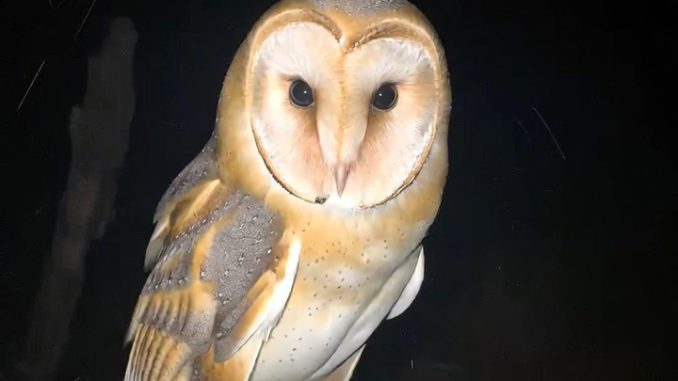
Owls have fascinated people for generations. Their quiet flight, glowing eyes, and nighttime habits often make them seem mysterious or symbolic. For many homeowners, spotting an owl near the house can feel unusual, emotional, or even a little unsettling. In reality, though, there is usually a very simple explanation.
Owls are wild birds guided by instinct and survival—not by myths, warnings, or hidden meanings. When an owl appears near a home, it is most often responding to food sources, shelter, safety, or environmental conditions.
Understanding why owls visit residential areas can help replace fear and superstition with appreciation and practical knowledge about wildlife.
Why Owls Appear Near Homes
The most common reason owls come near houses is food.
Owls are highly skilled nighttime hunters that mainly feed on small animals such as:
- Mice
- Rats
- Small birds
- Insects
- Squirrels
- Rabbits in certain areas
If your yard or neighborhood supports these animals, it can naturally attract predators like owls.
Many suburban and rural neighborhoods unintentionally create ideal hunting grounds for them. Open lawns, gardens, fields, wood piles, and even garbage bins can increase rodent activity. Once prey becomes active, owls often follow.
This does not mean anything strange or supernatural is happening. It simply means the environment around your home provides resources wildlife can use.
Large Trees Often Attract Owls
Mature trees are another major reason owls stay near homes.
Owls rely on trees for:
- Safe resting spots during the day
- Nesting areas
- Protection from predators
- Elevated positions for hunting
Neighborhoods filled with older trees are especially attractive because they provide shelter and quieter spaces away from heavy disturbance.
Some owls may return to the same tree repeatedly once they feel safe there.
That is why people often notice owls sitting on rooftops, fences, utility poles, or tree branches during evening hours.
Quiet Areas Support Owl Activity
Owls prefer calm environments.
Because they hunt mostly at night and rely heavily on hearing, loud traffic, bright lights, and constant movement can interfere with their ability to locate prey.
Areas that commonly attract owls include:
- Quiet suburban streets
- Rural properties
- Homes near forests or open fields
- Low-light neighborhoods
- Places with limited nighttime activity
If your area becomes peaceful after sunset, it may naturally fall within an owl’s hunting territory.
Seasonal Changes Can Increase Sightings
Many people notice owls more often during fall and winter.
There are several natural reasons for this.
Breeding Season
During breeding periods, owls become more vocal and active while protecting territory and searching for food.
Young Owls Exploring
Juvenile owls eventually leave nesting areas to establish their own territory. During this stage, they may appear in unfamiliar neighborhoods.
Changes in Food Supply
When prey becomes harder to find in one area, owls may expand into nearby residential locations in search of food.
These changes are part of normal wildlife behavior and are often temporary.
Are Owls Dangerous to Humans?
In almost all situations, no.
Owls generally avoid people and prefer to remain hidden. They are cautious birds that do not seek interaction with humans.
Here are a few important facts:
- Owls do not stalk people
- They rarely approach humans
- They usually fly away when disturbed
- They are not interested in entering homes
Although larger owls may defend themselves if cornered, serious encounters with humans are extremely rare.
For most homeowners, an owl nearby is simply a harmless part of local wildlife.
Owls Help Control Rodent Populations
One major benefit owls provide is natural pest control.
Rodents can reproduce quickly around homes, farms, and gardens. Owls help keep those populations under control naturally, without chemicals or traps.
A single owl may consume many rodents over time, helping maintain ecological balance.
Because of this, many farmers and landowners actually encourage owl activity nearby.
Their presence can often indicate a healthy ecosystem where natural predator-prey relationships are functioning properly.
Why Owls Feel So Mysterious
Owls have inspired myths and legends for centuries because of their unusual appearance and behavior.
Several traits contribute to this reputation:
- Large forward-facing eyes
- Nearly silent flight
- Nighttime activity
- Deep, echoing calls
- Ability to rotate their heads significantly
These characteristics make owls stand out from most other birds.
But despite internet stories and old folklore, science shows that owls behave according to survival instincts—not supernatural meaning.
They are simply adapting to the environment around them.
Common Myths About Owls
Many misconceptions still circulate whenever people spot owls near homes.
“Owls bring bad luck.”
There is no scientific evidence supporting this belief.
“Owls appear to deliver messages.”
Owls visit areas because of food, shelter, and habitat—not symbolism.
“An owl near your house predicts something.”
Wildlife behavior is influenced by environmental conditions, not future events.
“Owls are dangerous to families.”
Owls are focused on hunting small prey and usually avoid humans completely.
Understanding the facts helps remove unnecessary fear and encourages respect for wildlife.
Fascinating Facts About Owls
Owls are highly specialized birds with incredible abilities.
Silent Flight
Their feathers are designed to reduce sound while flying, allowing them to approach prey almost silently.
Exceptional Hearing
Owls can detect tiny movements beneath grass, leaves, and even snow using sound alone.
Excellent Night Vision
Their eyes are adapted for low-light conditions, helping them hunt effectively in darkness.
Flexible Necks
Owls can rotate their heads up to 270 degrees because their eyes remain fixed in place.
Efficient Hunters
They often swallow prey whole and later expel indigestible material such as bones and fur in compact pellets.
These adaptations make owls some of nature’s most effective nighttime predators.
What To Do If You See an Owl Near Your Home
In most cases, the best response is simple:
Leave it alone and appreciate the moment from a distance.
A few practical steps can also help protect both wildlife and your property:
- Keep garbage bins sealed
- Reduce rodent activity around the home
- Avoid disturbing nesting areas
- Limit unnecessary outdoor lighting
- Never attempt to feed owls
Feeding wildlife can disrupt natural behavior and create unhealthy dependency.
Observation is always better than interaction.
When To Contact Wildlife Experts
Although most owl sightings are harmless, there are rare situations where professional help may be necessary.
Consider contacting a wildlife rehabilitation center if:
- The owl appears injured
- It cannot fly properly
- It remains on the ground for long periods
- It seems trapped or disoriented
Avoid trying to handle the bird yourself, as this may cause additional stress or injury.
Wildlife professionals are trained to help safely.
Why Owl Sightings Matter
Seeing an owl nearby can actually reflect something positive about your surroundings.
It may suggest:
- Healthy wildlife populations
- Balanced ecosystems
- Presence of trees and green space
- Natural food chains functioning properly
Even in modern neighborhoods, wildlife continues adapting alongside human life.
Owls are simply part of that natural system.
Teaching Children To Respect Wildlife
For children, spotting an owl can become a memorable learning experience.
Parents can use moments like these to teach:
- Respect for wild animals
- The importance of quiet observation
- Basic ecosystem concepts
- The role predators play in nature
These lessons help children appreciate wildlife responsibly while encouraging curiosity about the natural world.
Final Thoughts
Owls may appear mysterious, but their presence near homes is usually very practical.
They are searching for food, shelter, and safe hunting grounds—not delivering warnings or hidden signs.
Most of the time, an owl nearby simply means your environment supports wildlife and natural ecological balance.
Rather than fearing them, it is better to understand them.
Because when you hear an owl calling in the distance or see one sitting silently in a tree, you are not witnessing something supernatural.
You are witnessing nature quietly continuing alongside everyday life.