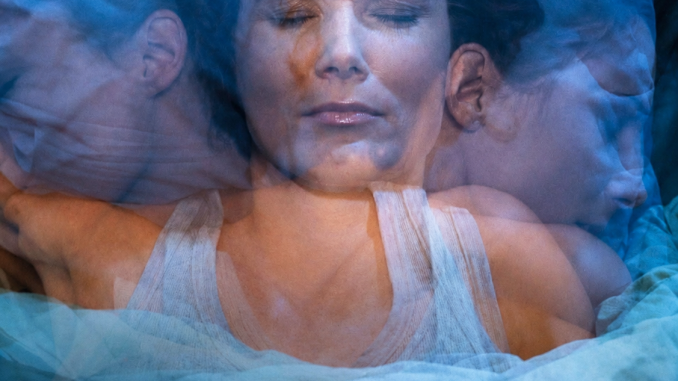
Dreams have always fascinated people. Some wake up remembering every detail—the colors, conversations, and emotions—while others barely remember dreaming at all once the morning arrives.
This naturally leads to an age-old question: do dreams actually carry meaning, or are they simply random images created by the brain during sleep?
There’s no single answer. Throughout history, cultures, beliefs, and scientific studies have all offered different interpretations. Some people believe dreams are deeply symbolic messages from the subconscious, while others view them as the brain’s way of processing thoughts, memories, and emotions. Among the most emotional types of dreams are those where someone who has passed away appears. These experiences can feel incredibly vivid and realistic, often staying in a person’s mind long after waking up.
But what might these dreams really represent?
The Brain Continues Working During Sleep
Even while the body rests, the brain remains highly active—especially during REM (rapid eye movement) sleep, the stage where most dreaming occurs.
During this phase, the brain:
• Processes memories from daily life
• Organizes thoughts and emotions
• Connects past experiences with present situations
• Creates images, stories, and emotional scenarios
Because of this, dreams often include familiar people, places, and feelings—even when the situations themselves seem strange or unrealistic.
Why These Dreams Feel So Real
Dreams involving loved ones who are no longer alive often feel especially intense because the brain draws from powerful emotional memories. Familiar voices, faces, and feelings are recreated vividly, making the experience feel almost real rather than imaginary.
Many people wake up from these dreams feeling emotional, comforted, confused, or reflective.
Emotional Processing and Memory
One common explanation is that dreams help the mind process emotions.
When someone important passes away, the emotional impact doesn’t simply disappear. The brain continues working through those feelings over time, even during sleep.
Dreaming about that person may reflect:
• Ongoing emotional healing
• Memories being revisited
• The mind processing loss and change
These dreams can become more common during stressful or emotional periods in life, such as:
• Starting a new chapter
• Facing uncertainty or pressure
• Reflecting on past experiences or relationships
During these moments, the brain may bring familiar people into dreams as part of emotional processing.
The Importance of Feelings in the Dream
Experts often suggest focusing less on the exact details of the dream and more on how the dream made you feel.
For example:
• A peaceful dream may reflect comfort, acceptance, or positive memories
• A confusing or emotional dream may point to unresolved thoughts
• A neutral dream may simply be memory recall without deeper emotional meaning
Instead of searching for one fixed interpretation, it can be more meaningful to reflect on your emotional response.
Common Interpretations of These Dreams
Although every dream is personal, psychologists and researchers often group these experiences into a few broad explanations.
- Processing Grief
Dreams can help the mind continue processing the absence of someone important, even years after their passing.
- Revisiting Unfinished Emotions
If there were unresolved feelings or things left unsaid, dreams may symbolically revisit those emotions. This is a natural part of emotional processing.
- Representing Personal Qualities
Sometimes the person in the dream may symbolize qualities you associate with them—such as strength, guidance, love, or support.
- Memory and Familiarity
Often, the brain is simply revisiting familiar memories. Faces connected to strong emotions are easier for the mind to recreate during sleep.
- Feelings of Comfort and Connection
Some people describe these dreams as calming or reassuring because the brain recreates a sense of familiarity and emotional closeness.
Scientific vs. Cultural Perspectives
Different viewpoints explain dreams in different ways.
Scientific Perspective
Many scientists believe dreams are connected to brain activity during sleep. According to this view:
• Dreams help organize memories
• They support emotional regulation
• They do not always carry symbolic meaning
From this perspective, dreaming about someone who has passed away is considered a natural part of memory and emotional processing.
Cultural and Traditional Perspectives
In many cultures, dreams are viewed as meaningful experiences connected to deeper emotional or spiritual ideas.
Some traditions see dreams as:
• Symbolic messages
• Reflections of the inner self
• A source of emotional guidance or connection
Interpretations vary widely depending on cultural background and personal beliefs.
Why These Dreams Stay in Your Mind
Dreams about loved ones who have passed away often remain memorable because they combine:
• Strong emotions
• Familiar faces and voices
• A powerful sense of realism
This can make the experience feel especially meaningful, even without a clear explanation.
Should You Worry?
In most cases, these dreams are completely normal.
They are often simply part of how the brain processes:
• Emotions
• Memories
• Life changes and personal reflection
However, if the dreams become overwhelming or emotionally distressing, speaking with a mental health professional may be helpful.
Final Thoughts
Dreaming about someone who has passed away can be emotional, comforting, or deeply reflective. While there is no single explanation, these dreams are often connected to memory, emotional healing, and the mind’s natural way of processing important experiences.
Rather than focusing only on what the dream “means,” it may be more valuable to consider:
• How you felt during the dream
• What emotions stayed with you afterward
• Whether those feelings connect to anything happening in your life today
In many ways, these dreams remind us how powerful human memory and emotional connection truly are—even as time moves forward.