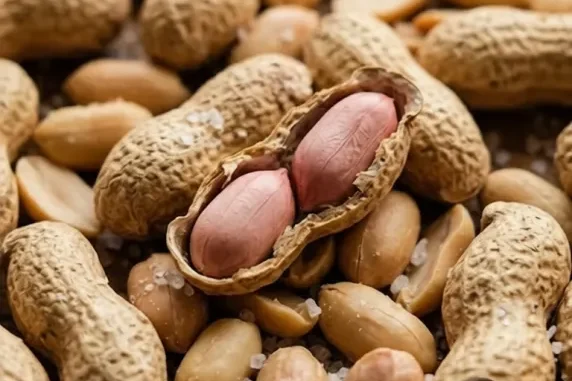
Peanuts may look like an ordinary snack, but the effects they have on your body are surprisingly powerful. Although many people think of them as nuts, peanuts are actually legumes packed with nutrients that support overall health. From helping your heart to supporting brain function and muscle recovery, peanuts can offer a variety of benefits when enjoyed in moderation.
Here’s what happens inside your body after eating peanuts:
- Your Body Receives a Healthy Protein Source
Peanuts are naturally rich in plant-based protein. A small handful (around 28 grams) contains about 7 grams of protein, helping support muscle repair, growth, and daily body functions.
Once digested, the protein is broken down into amino acids that help:
• Repair muscles
• Support the immune system
• Produce important enzymes and hormones
For people following vegetarian or plant-focused diets, peanuts can be an excellent way to maintain strength and muscle health.
- Your Heart Gets Extra Support
Peanuts contain healthy monounsaturated and polyunsaturated fats, similar to those found in olive oil. Eating them regularly—especially unsalted varieties—may help:
• Lower bad (LDL) cholesterol
• Support good (HDL) cholesterol
• Reduce inflammation in blood vessels
They also contain antioxidants like resveratrol, which may support healthy circulation and heart function.
- You Stay Full Longer
Because peanuts combine protein, fiber, and healthy fats, they digest slowly and help control hunger.
After eating peanuts:
• Digestion slows down
• Hunger cravings decrease
• Feelings of fullness increase
This can help with appetite control and weight management, even though peanuts are relatively calorie-dense.
- Blood Sugar Remains More Balanced
Peanuts have a low glycemic index, meaning they do not rapidly spike blood sugar levels.
They help:
• Slow carbohydrate absorption
• Release glucose gradually into the bloodstream
• Support a steadier insulin response
This makes peanuts a smart snack option for people trying to maintain balanced blood sugar levels.
- Your Brain Benefits Too
Peanuts contain several nutrients linked to cognitive health, including:
• Niacin (Vitamin B3)
• Vitamin E
• Healthy fats
These nutrients may help protect brain cells, support memory, and improve overall brain function.
- Muscles and Nerves Work More Efficiently
Peanuts provide magnesium and potassium, two important minerals that support muscles and nerves.
These nutrients help:
• Relax muscles properly
• Support nerve communication
• Maintain electrolyte balance
This is one reason peanuts are popular among active individuals.
- Your Cells Receive Antioxidant Protection
Peanuts are rich in antioxidants such as polyphenols, resveratrol, and vitamin E. These compounds help fight oxidative stress caused by free radicals, which can damage cells over time.
Protecting cells may support long-term health and reduce the risk of certain chronic conditions.
- Your Digestive System Gets Support
Peanuts also contribute to digestive health by:
• Supporting regular digestion
• Feeding beneficial gut bacteria
• Helping overall gut function
A healthy digestive system plays an important role in immunity and nutrient absorption.
A Quick Reminder
Even healthy foods should be enjoyed in moderation. Eating too many peanuts can increase calorie intake, and heavily salted or sugar-coated versions may reduce some health benefits. Anyone with a peanut allergy should avoid them completely.
Final Thoughts
When enjoyed as part of a balanced diet, peanuts can do much more than satisfy hunger. They support the heart, brain, muscles, digestion, and overall wellness—all in a simple and affordable snack.