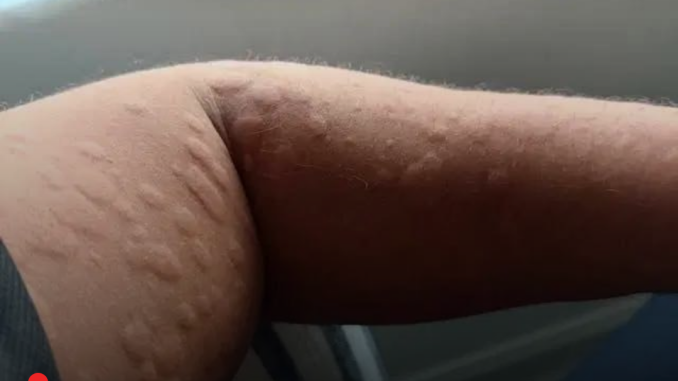
It can feel quite concerning to notice sudden changes on the skin, especially when they appear shortly after spending time with someone else, such as caring for a child. In situations like this, many people naturally try to connect the timing of the symptoms with a possible cause.
For instance, you may notice that a child develops small spots or irritation after visiting another place, and later you begin experiencing itchy or inflamed areas on your own skin after close contact during activities like babysitting or bedtime routines.
Although this can seem alarming at first, it’s important to remember that skin irritation can happen for many different reasons. In many cases, the cause is mild, temporary, and manageable. This article explores some common explanations, how certain skin reactions may spread, and simple steps you can take safely.
- Skin Irritation Can Be Triggered by Many Factors
When red or itchy spots suddenly appear, there is rarely just one clear explanation. The skin reacts easily to a wide range of triggers, including:
Environmental exposure
Insect bites
Allergic reactions
Sensitivity to fabrics or detergents
Contact with irritants
Minor viral or skin-related conditions
Because many skin reactions look alike, identifying the exact cause without observation can be difficult.
In this type of situation, the timing may suggest a link between contact with the child and your symptoms, but that does not automatically mean anything serious. Often, it may simply involve a temporary irritation or exposure to a common trigger.
- Insect Bites or Environmental Exposure
One possible explanation is insect exposure. Mosquitoes, fleas, or other small biting insects can sometimes move between environments through clothing, bedding, or furniture.
If the child recently spent time somewhere with insects, it’s possible that:
Small bites appeared afterward
The irritation became noticeable hours later
Scratching increased redness and inflammation
Different people also react differently to bites. Some may barely notice them, while others experience stronger itching or swelling.
- Allergic or Sensitivity Reactions
Another common cause of skin irritation is sensitivity to everyday products or materials, such as:
Laundry detergents
Fabric softeners
Soap or shampoo
Cleaning products
Dust or pet dander
Bedding fabrics or clothing materials
Close contact with blankets, pillows, towels, or shared sleeping areas may expose the skin to something irritating. Mild allergic reactions often appear as:
Red or pink patches
Small bumps
Itching or burning
Localized swelling or irritation
Scratching may make the symptoms appear worse.
- Close Contact and Shared Surfaces
Some minor skin conditions or irritations can spread through close contact or shared items in a home or childcare setting.
This may happen through:
Shared bedding or pillows
Direct skin contact
Towels or clothing
Toys or household surfaces
In many situations, the issue is related more to irritation or sensitivity than to a serious infection. Still, it’s sensible to monitor both your symptoms and the child’s condition over the following days.
- Stress and Fatigue Can Affect the Skin
Stress, exhaustion, or disrupted sleep can also make the skin more reactive. When the body is tired, even mild irritation can feel more intense.
This can lead to:
Stronger itching
Increased redness
Greater skin sensitivity
Caregiving routines, especially involving young children, can sometimes contribute indirectly to these reactions.
- When to Monitor Symptoms More Closely
Most mild skin irritations improve gradually within a few days. However, it’s helpful to observe whether:
The spots are spreading quickly
Itching becomes severe
Swelling or fever develops
The child’s symptoms worsen as well
If symptoms continue, become more uncomfortable, or fail to improve, consulting a healthcare professional or dermatologist may help provide a clearer diagnosis.
- Gentle Home Care Steps
While monitoring the situation, a few simple steps may help reduce discomfort:
Keep the skin clean and dry
Avoid scratching
Use fragrance-free soap
Wear loose, breathable clothing
Wash bedding and clothing in warm water
Apply cool compresses to irritated areas
Avoid strong creams or medications unless recommended by a professional
- Reducing the Chance of Future Irritation
If the irritation is connected to environmental exposure or contact sensitivity, a few habits may help prevent similar situations:
Wash bedding and towels regularly
Use hypoallergenic products when possible
Encourage handwashing after outdoor play
Avoid sharing towels or personal items
Keep living spaces clean and ventilated
- Skin Reactions Often Appear Worse Than They Are
Skin is highly sensitive, which means even minor irritation can look dramatic. Redness, itching, and swelling may seem alarming, but many everyday skin reactions:
Are temporary
Improve naturally
Do not lead to long-term problems
Respond well to basic care
The appearance of a rash does not always indicate a serious condition.
- Final Thoughts
Noticing itchy or inflamed spots after close contact with someone else can understandably feel worrying. However, there are many possible explanations, including insect bites, mild allergic reactions, or temporary skin sensitivity caused by shared environments or irritants.
The best approach is usually to stay calm, observe how the symptoms develop, and follow gentle skin-care practices. If the irritation becomes severe or persists, professional medical advice can provide reassurance and clarity. In many cases, these types of skin reactions improve naturally once the trigger is removed or identified.