
For most of her life, Mariska Hargitay believed she knew exactly where she came from. She was the beloved daughter of Hollywood icons Jayne Mansfield and Mickey Hargitay, and the family story she grew up with seemed clear.
But one unexpected photograph would force her to question everything she thought she knew about her family, her identity, and the man she had always called her father.
The truth remained hidden for decades. When Mariska finally came face-to-face with the possibility that Mickey Hargitay wasn’t her biological father, she was only 25 years old — and the revelation left her feeling as though her entire world had suddenly fallen apart.
Jayne Mansfield was one of Hollywood’s most recognizable stars, and Mariska, who would go on to build an extraordinary career of her own, inherited much of her mother’s fame.
Today, Mariska is best known for her long-running role as Olivia Benson on Law & Order: Special Victims Unit. But long before she became a television icon, she experienced a childhood marked by both tremendous love and heartbreaking loss.
Mariska was just three years old when her mother, Jayne Mansfield, died in a tragic car accident in 1967.
After her mother’s death, Mickey Hargitay became the father figure who raised her. He wasn’t simply the man listed as her father — he was the man Mariska knew, loved and trusted as her dad.
For years, there was never any reason for her to question that.
Then came an unexpected visit that changed everything.
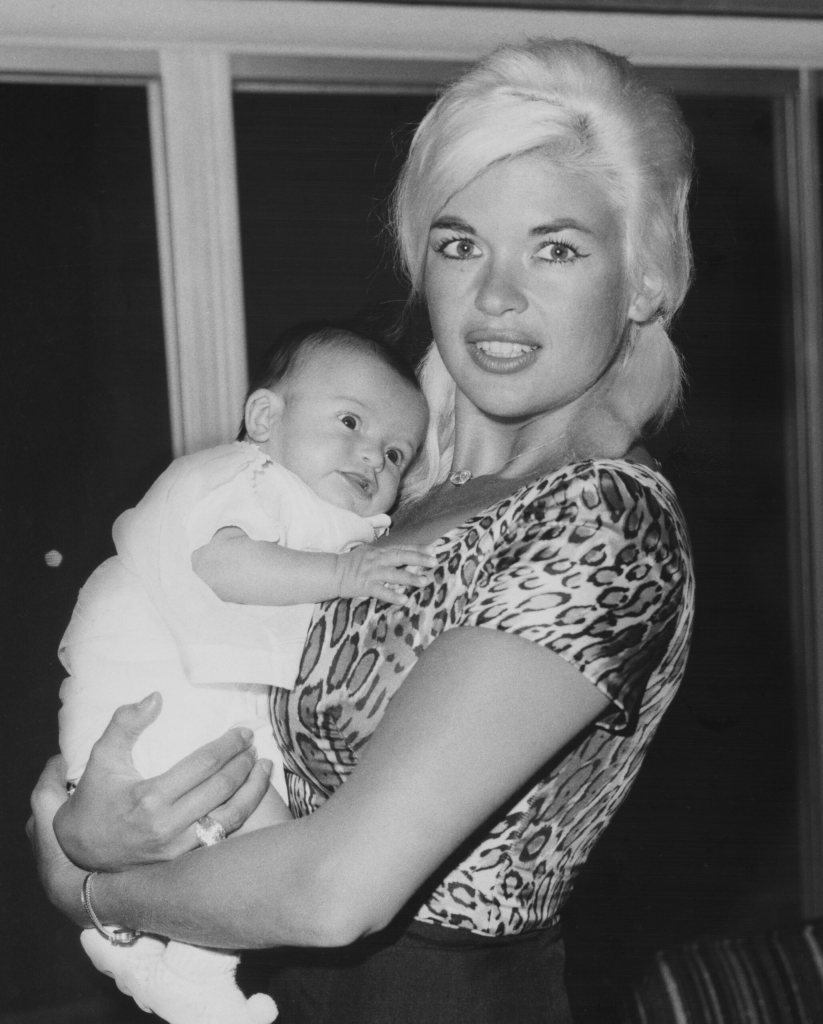
While visiting a devoted Jayne Mansfield fan who had accumulated photographs, costumes and other memorabilia from the actress’s life, Mariska was suddenly asked a question she never expected.
“Do you want to see a picture of Nelson?”
Mariska had never heard that name before.
“I just looked at him, and this jolt went through my body, and I said, ‘Who’s Nelson?’” she later recalled in the documentary My Mom Jayne.
And then, she said, she knew.
Nelson Sardelli was an Italian singer and entertainer who had been romantically involved with Jayne Mansfield during a period when Mansfield and Mickey had briefly separated.
When Mariska saw his photograph, she immediately felt a powerful connection.
“On a cellular level, it was just like DNA talking to DNA,” she recalled.
She became convinced that Nelson Sardelli was her biological father.
“I knew it was true, and I just really thought my life was over,” she said.
The discovery left Mariska overwhelmed. Suddenly, she was questioning the family history she had always accepted as fact — including her Hungarian heritage and her biological connection to the man she had spent her entire childhood calling Dad.
“I remember leaving and driving to my brother’s house, and I thought I was going to crash my car because I was so not present,” she recalled.
“I was totally dissociated and out of my body, and I got to my brother’s house. I didn’t even know how I got there, but I knew that I shouldn’t be driving. It was crazy.”
But the most difficult moment was still waiting for her.
Mariska eventually confronted Mickey at the home he was building for her. She asked him directly about Nelson Sardelli, hoping he would finally provide the answers she desperately wanted.
Instead, Mickey denied that Nelson was her biological father.
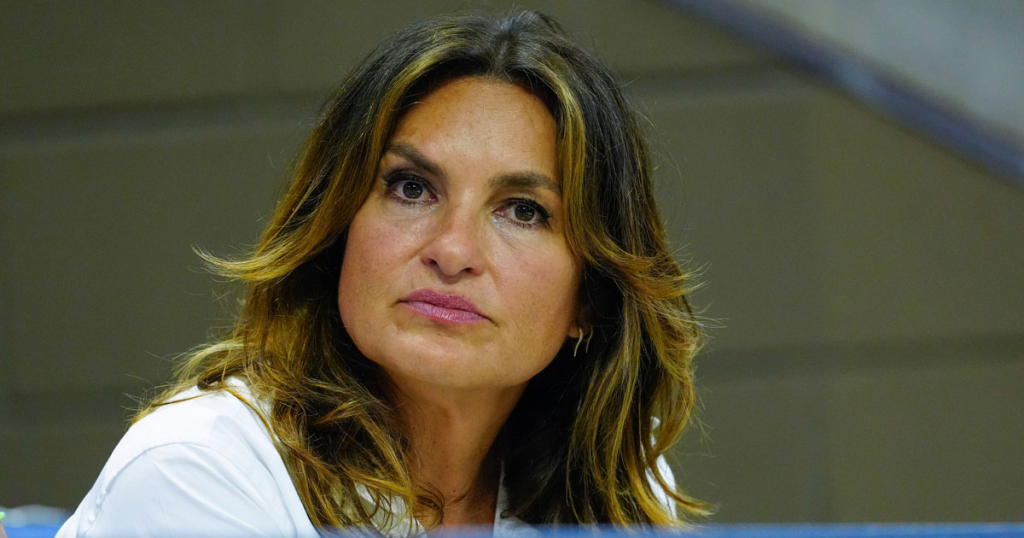
“He kept saying, ‘You look like my father, you look exactly like my father, you’re a Hargitay to the end,’” Mariska recalled.
For Mariska, the conversation was incredibly painful. Yet even as she struggled to process the possibility that the man she called Dad might not be her biological father, she could see how deeply hurt Mickey was.
She realized that whatever the biological truth might be, the love between them was real.
“I was so overwhelmed and I was in the ‘me, me, me, me, oh, my gosh, my life is over,’ and then looking at this man who’s been nothing but loving to me and nothing but this amazing father to me, and I saw his pain,” she explained.
“And I said, ‘It doesn’t matter what I feel. I love him. We’re done here.’”
Mariska decided not to push the subject any further.
“And so I said, ‘OK, thank you for telling me,’ and I pretended that I believed him, and we never spoke of it again,” she said.
According to Mariska, Mickey would occasionally bring up the incident later in life, joking about the “crazy thing” she had once believed.
She would simply play along.
Mickey Hargitay died in 2006, taking with him whatever answers he may have had about Mariska’s biological parentage.
But even after that, one question continued to haunt her.
If Nelson Sardelli really was her biological father, why had he never claimed her?
“That was where the injury was,” Mariska explained. “Why wasn’t I claimed?”
She began to wonder whether Nelson had known the truth all along and simply hadn’t wanted her.
“He must have known, he didn’t care, he didn’t love me, I wasn’t worth it, I was nothing to him,” she said.
“He knew, he had to know that I was his daughter, and I wasn’t worth it. I wasn’t valuable enough, and that’s what I lived with, is that I wasn’t enough.”
For Mariska, the discovery seemed to reopen the wounds left by her mother’s death.
“So having that feeling of, my mother left me and then again my father abandoned me was so hard to integrate or make sense out of,” she said.
Years later, however, Mariska finally came face-to-face with Nelson.
She tracked him down while he was performing in Atlantic City.
When Nelson reportedly saw her, he broke down in tears and told her that he had been waiting for that moment for decades.
But Mariska wasn’t immediately ready to embrace the relationship.
“I was like, ‘I don’t want anything, I don’t need anything from you. I have a dad,’” she recalled.
For her, it was about more than biology. It was also about loyalty to Mickey, the man who had actually been there for her.
“There was something about loyalty. I wanted to be loyal to Mickey,” she explained.
With time, however, things began to change.
Mariska and Nelson eventually developed a relationship, and she also formed connections with members of his family. What had initially felt like a devastating revelation slowly became something more complicated — and, eventually, something she could begin to accept.
Mariska came to believe that her mother may have returned to Mickey because she trusted him to provide the young daughter she was leaving behind with the stable, loving home she needed.
“I grew up where I was supposed to, and I do know that everyone made the best choice for me,” Mariska said.
“I’m Mickey Hargitay’s daughter — that is not a lie.”
For Mariska, biology did not erase the bond she had shared with Mickey.
“This documentary is kind of a love letter to him because there’s no one that I was closer to on this planet,” she said.
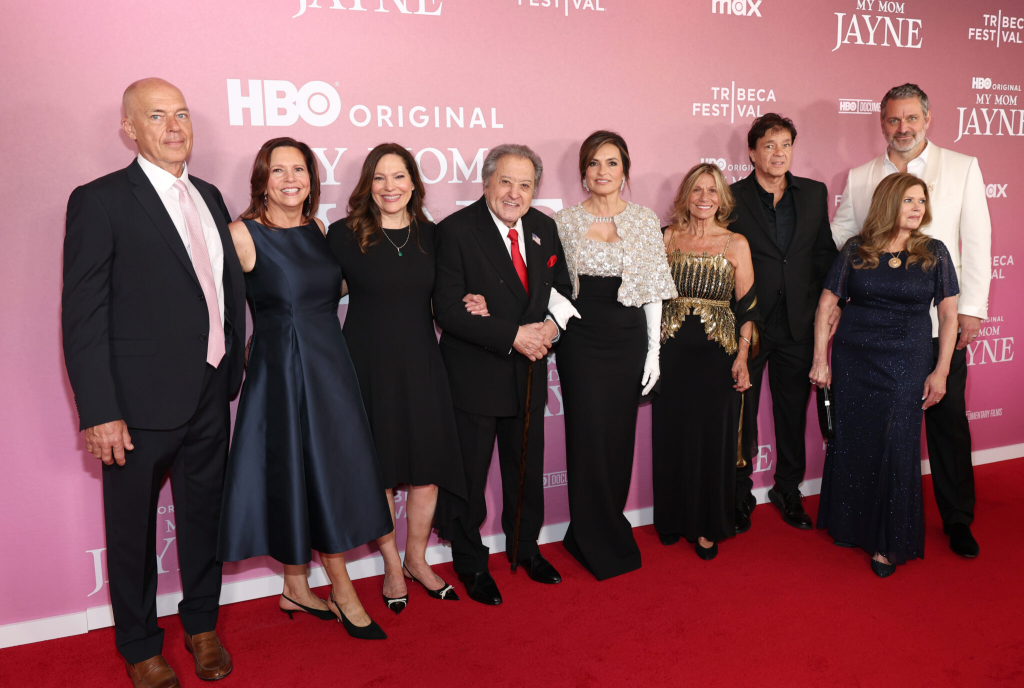
Eventually, Mariska decided to share the deeply personal story with the public through her documentary My Mom Jayne.
For years, she had described her Sardelli relatives simply as “family friends,” without publicly acknowledging the deeper connection.
“I’m not good with lies,” she admitted, explaining that making the documentary also gave her a chance to “unburden us all.”
The process forced Mariska to revisit painful memories, confront questions she had carried for decades and rethink what family truly means.
But with the perspective that comes with time, she no longer views the discovery in quite the same way.
“I’m so grateful for this life to grow into the miracle of my story,” she said, reflecting on how much her understanding had changed.
She also described finally being able to see the bigger picture after realizing that, at the time of the discovery, she had only understood a tiny part of the truth.
What began with a single photograph and a name Mariska had never heard before eventually became a decades-long journey of identity, loyalty, love and forgiveness.
In the end, the discovery didn’t erase the man who had raised her.
Instead, it helped Mariska understand that family can be defined by far more than biology — and that the father who loved, protected and raised her would always have a special place in her heart.