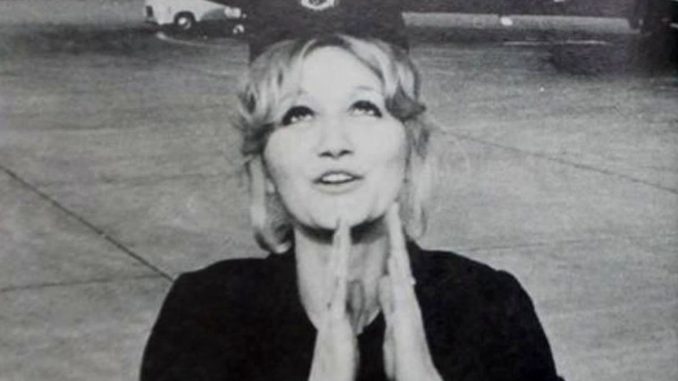
On January 26, 1972, JAT Flight 367 was traveling from Stockholm to Belgrade, with a stop in Copenhagen. The flight was just 46 minutes in when a sudden explosion caused the aircraft, a new McDonnell Douglas DC-9-32, to break apart at a height of 33,000 feet over Srbská Kamenice, Czechoslovakia, now part of the Czech Republic. Of the 28 people on board, only one survived: 22-year-old flight attendant Vesna Vulović.
Vesna had joined Yugoslav Airlines to explore the world, inspired by her friend’s glamorous cabin uniform. Although she faced health issues that almost prevented her from passing the screening, she managed to get through by drinking espresso to raise her blood pressure. Shortly after she began working, a clerical error assigned her to Flight 367 instead of a different colleague with the same name. Excited for her first trip to Denmark, she boarded the plane during its stop, but she later recalled a sense of unease among the crew.
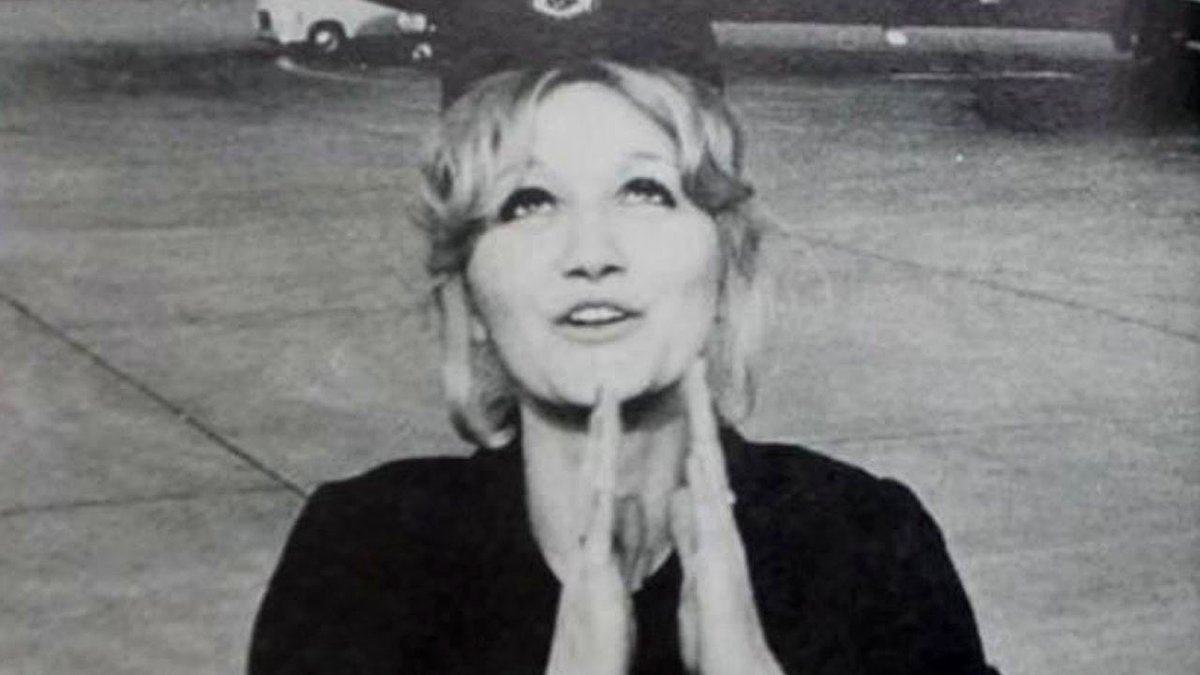
When the midair explosion occurred, the fuselage split apart, and most passengers were thrown into the freezing air. A food cart wedged Vesna in the tail section, which shielded her from the frigid winds. Remarkably, the tail section crashed into a snowy mountain at a sharp angle, which lessened the impact. Experts suggest that Vesna’s chronic low blood pressure may have caused her to lose consciousness when the cabin depressurized, preventing serious injury upon landing.
Bruno Honke, a former medic from World War II, was the first person to reach the crash site. Hearing calls for help, he found Vesna, who was covered in blood, and provided urgent medical assistance until rescue teams arrived. Vesna eventually woke up in a hospital in Prague after spending several days in a coma. How do you think Vesna’s story has impacted how we view survival in extreme situations?
Sources:
Source: Bored Panda, by Indrė Lukošiūtė