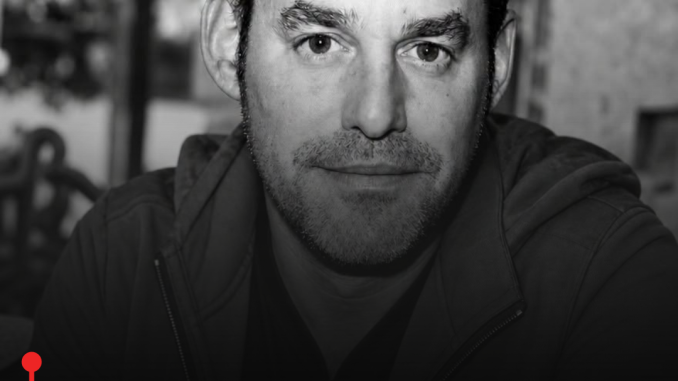
The entertainment world was left mourning on March 20, 2026, following the announcement that beloved actor Nicholas Brendon had died at the age of 54. Best known for his unforgettable role as Xander Harris on Buffy the Vampire Slayer, Brendon reportedly passed away peacefully in his sleep at his home in Greencastle, Indiana, according to a statement from his family.
His death marked the end of a complicated yet deeply creative life and prompted fans around the world to reflect on the impact he made on television and the personal challenges he faced away from the spotlight.
The Heart of a Supernatural World
For millions of viewers, Nicholas Brendon was the relatable human presence at the center of a world filled with vampires, demons, magic, and supernatural danger.
On Buffy the Vampire Slayer, which ran from 1997 to 2003, Brendon portrayed Xander Harris, one of the few main characters without supernatural powers. While Buffy was the Slayer and Willow developed powerful magical abilities, Xander remained an ordinary young man surrounded by extraordinary circumstances.
That was precisely what made him so memorable.
Xander represented the everyday person—the loyal friend who stayed when things became frightening, the one who often brought humor into tense situations, and the character who reminded viewers that courage does not always require special abilities.
Brendon brought a distinctive combination of humor, vulnerability, insecurity, and warmth to the role. Over seven seasons, audiences watched Xander grow from an awkward teenager into a more mature young adult who made mistakes, faced consequences, and continued trying to do the right thing.
His comedic timing became one of the show’s defining qualities, particularly during some of its darkest and most emotional moments.
A Career Beyond Sunnydale
Although Xander Harris remained Brendon’s signature role, his career continued after Buffy and included several different television projects.
He appeared in Kitchen Confidential, the television series inspired by Anthony Bourdain’s bestselling book, portraying pastry chef Seth Richman.
He later became familiar to another generation of television viewers through Criminal Minds, where he played FBI technical analyst Kevin Lynch. His character was intelligent, somewhat quirky, and brought a lighter energy to the show’s often intense storylines.
His interactions with Penelope Garcia, portrayed by Kirsten Vangsness, became particularly popular with fans.
The role demonstrated Brendon’s ability to move beyond the comedic fantasy world of Buffy and take on a more grounded character in a long-running crime drama.
A Life Shaped by Resilience and Creativity
Brendon’s personal journey was considerably more complicated than the television characters audiences knew.
Born in Los Angeles in 1971, he was an identical twin and originally dreamed of becoming a professional baseball player. An injury eventually ended those ambitions and helped push him toward acting.
His decision to pursue acting was also influenced by a stutter he had experienced since childhood. Over time, he became an advocate for people who struggled with speech difficulties and served as a spokesperson for the Stuttering Foundation of America.
In his later years, Brendon also explored other forms of artistic expression, including painting and photography. His family described his creative work as an important part of who he was and a way for him to express himself beyond the pressures of Hollywood.
Facing Personal Struggles
Behind the success and recognition, Brendon faced serious personal and health challenges throughout his life.
He spoke publicly about struggles involving substance abuse and alcoholism, while also dealing with significant medical problems. Among them was cauda equina syndrome, a serious neurological condition that contributed to physical difficulties and required multiple spinal surgeries.
His health problems became increasingly challenging over the years. In 2022, he suffered a heart attack, adding another major obstacle to an already difficult health journey.
Despite those challenges, his family said that he continued to have hope for the future and was receiving treatment and care for his various conditions.
His story serves as a reminder that the people audiences see on television are far more complex than the characters they portray. Fame can create an image of a person that hides the private struggles taking place behind the scenes.
A Legacy That Will Endure
The death of an actor who spent years appearing in people’s homes can feel surprisingly personal. For viewers who grew up watching Buffy the Vampire Slayer, Nicholas Brendon was not simply an actor. Xander Harris was a familiar presence during some of their formative years.
Rewatching those episodes can now bring a mixture of nostalgia, comfort, and sadness.
Brendon’s greatest legacy may be the sense of connection he created through his work. Xander was never the strongest person in the room. He was not the most powerful or fearless. Instead, he demonstrated that courage could come from loyalty, friendship, humor, and the decision to stand beside people when they needed you most.
That message resonated with generations of viewers.
Following news of his death, fans and those who worked with him remembered Brendon for his creativity, intensity, humor, and emotional depth. His performances continue to live through the shows that introduced him to millions of people.
For many fans, returning to Buffy the Vampire Slayer or Criminal Minds will now carry a different meaning. They will be watching not only beloved characters, but also remembering the actor who brought them to life.
Nicholas Brendon may no longer be here, but his work remains. Through Xander Harris, Kevin Lynch, and the many other characters he portrayed, he left behind performances that will continue entertaining audiences and reminding them of the humanity behind the screen.
His legacy is ultimately more than fame. It is the connection he created with viewers—and that is something television can never truly take away.