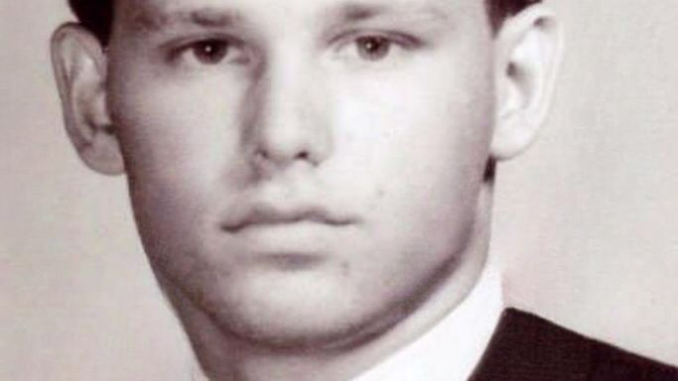
With haunting charisma, poetic lyrics, and a stage presence unlike anyone else of his era, Jim Morrison became one of the most unforgettable figures in music history. But behind the fame and mystique was a man battling inner demons, addiction, and a life increasingly consumed by chaos. Decades later, Morrison remains one of rock’s most legendary and controversial icons.
A Childhood That Left Lasting Scars
Jim Morrison was born on December 8, 1943, in Melbourne, Florida, into a military family. His father served as a rear admiral in the U.S. Navy, and because of frequent relocations, Morrison spent much of his childhood moving from place to place. The constant instability made it difficult for him to build lasting friendships and contributed to the restless personality he would later become known for.
One memory from his early childhood stayed with him for the rest of his life. While traveling through the deserts of New Mexico with his family, Morrison witnessed a serious roadside accident involving injured Native Americans. Years later, he described the moment as deeply spiritual and traumatic, believing the souls of the victims had somehow entered him. Whether exaggerated or not, the experience heavily influenced the dark imagery and poetic themes that would define much of his music and writing.
Even as a child, Morrison showed signs of rebellion and emotional unrest. Friends and biographers later described him as intelligent, unpredictable, and increasingly drawn toward challenging authority.
Living on Almost Nothing Before Fame

After graduating from UCLA’s film school in the mid-1960s, Morrison embraced the struggling artist lifestyle in Venice Beach, California. During that period, he often survived on canned food, little sleep, and heavy experimentation with psychedelic drugs while writing poetry and song lyrics.
It was during this time that he met keyboardist Ray Manzarek, leading to the creation of The Doors — a band inspired by Aldous Huxley’s The Doors of Perception. Morrison’s haunting voice, poetic storytelling, and magnetic presence quickly separated the group from every other rock act of the era.
Songs like “Light My Fire,” “Riders on the Storm,” and “Break On Through” helped turn The Doors into one of the most influential rock bands of all time.
Fame, Addiction, and Self-Destruction
As The Doors rose to international fame, Morrison’s personal struggles intensified. Alcohol became a major part of his life, often affecting concerts, recording sessions, and relationships. His unpredictable behavior on stage became both legendary and concerning.
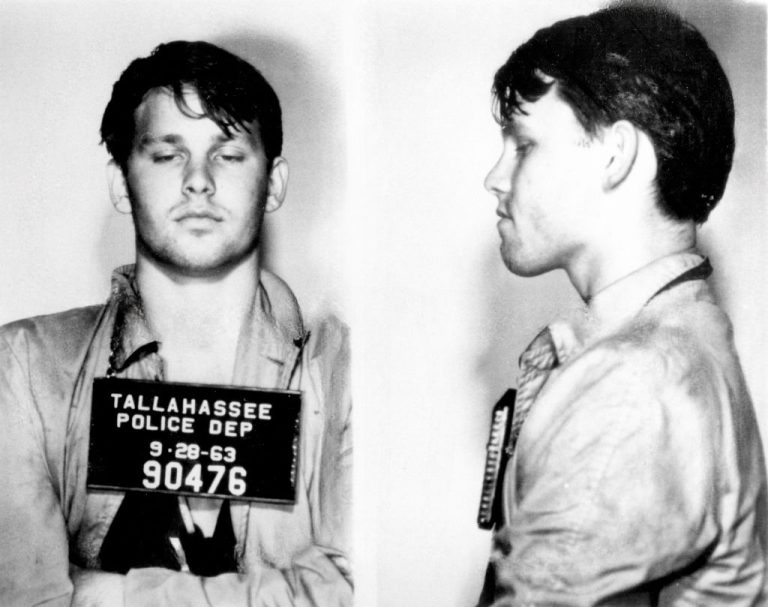
Arrests for disorderly conduct, public intoxication, and controversial performances only fueled his reputation as rock’s ultimate rebel. One infamous concert in Miami led to legal troubles that followed him for years and further cemented his image as one of music’s most dangerous frontmen.
Behind the scenes, those closest to Morrison watched him spiral deeper into addiction and emotional instability. His relationships were passionate but chaotic, and his dependence on alcohol and drugs increasingly overshadowed his artistic brilliance.
The Final Chapter
By the early 1970s, Morrison’s health and behavior had noticeably declined. Seeking distance from fame and pressure, he moved to Paris in 1971 with hopes of focusing more on writing and poetry.
But only months later, at just 27 years old, Jim Morrison was found dead in a Paris apartment bathtub. The official cause was listed as heart failure, though speculation surrounding his death has continued for decades.
Despite his short life, Morrison’s impact on music and popular culture remains enormous. To many fans, he represented the raw spirit of rock ’n’ roll — brilliant, fearless, unpredictable, and ultimately self-destructive.
Jim Morrison’s story continues to fascinate generations because it reflects both the power of artistic genius and the dangerous cost that sometimes comes with it.