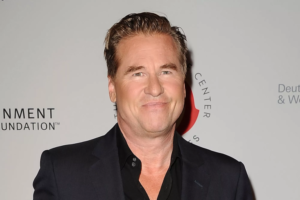
The legacy of acclaimed actor Val Kilmer has once again become a topic of discussion following recent comments from filmmaker Adam Marcus, who reflected on his experience working with the late Hollywood star during the production of the 2008 thriller Conspiracy.
Marcus, best known for directing Jason Goes to Hell: The Final Friday, shared memories of collaborating with Kilmer, offering insight into a working relationship that he described as difficult at times. His remarks have reignited conversations about Kilmer’s reputation within the entertainment industry and the complexities that often surround highly talented performers.
Val Kilmer was one of the most recognizable actors of his generation. Throughout a career spanning several decades, he delivered unforgettable performances that helped establish him as a major Hollywood leading man. Among his most celebrated roles were Tom “Iceman” Kazansky in Top Gun and the legendary Doc Holliday in Tombstone.
These performances cemented Kilmer’s place in film history and earned him admiration from audiences around the world. However, alongside his success, Kilmer often found himself at the center of reports describing him as demanding, intense, and occasionally difficult to work with on set.
Over the years, colleagues offered mixed opinions about their experiences with the actor. Some praised his dedication, creativity, and commitment to his craft, while others recalled challenging collaborations and creative disagreements. As a result, Kilmer’s reputation in Hollywood remained both complex and widely debated.
Marcus recently revisited his experience during the production of Conspiracy, a thriller in which Kilmer portrayed a disabled special operations veteran who becomes entangled in a dangerous conspiracy. Produced on a relatively modest budget, the film received limited attention upon release and was distributed primarily through home entertainment channels. Critics generally gave the film mixed to negative reviews, and it largely faded from public discussion.
Years later, however, Marcus’s comments about the production have brought renewed attention to the project. According to various reports, the director described working with Kilmer as particularly challenging, prompting discussions across social media and entertainment circles.
Film productions are often high-pressure environments where directors, actors, producers, and crew members work under strict deadlines and intense expectations. Creative conflicts are not uncommon, especially when strong personalities and artistic visions collide.
Throughout Hollywood history, many gifted performers have earned reputations for being deeply committed to their work. In some cases, that dedication is viewed as artistic passion; in others, it can be perceived as difficult behavior. The conversations surrounding Kilmer serve as a reminder that personal experiences can vary greatly from one colleague to another.
While some individuals spoke critically about working with Kilmer, others shared stories highlighting his intelligence, generosity, humor, and deep love for acting. This contrast has contributed to the enduring complexity of his public image. Few actors have inspired such a broad range of reactions from colleagues and audiences alike.
Beyond his professional career, Kilmer’s later years were marked by remarkable resilience. Several years after Conspiracy was released, he was diagnosed with throat cancer, a battle that significantly impacted both his personal life and career.
The treatments he underwent affected his voice and ability to communicate, yet he remained determined to stay connected with fans and continue pursuing creative projects whenever possible. His health journey became widely known through interviews, public appearances, and especially through the 2021 documentary Val.
The documentary offered an intimate look into Kilmer’s life, career, family relationships, and health struggles. Through personal footage and heartfelt reflections, he openly discussed both his successes and challenges while sharing a deeply human portrait of a life spent in the spotlight.
Many viewers praised the documentary for its honesty and emotional depth. It revealed a side of Kilmer that many had never seen before, showing an artist who remained passionate about storytelling despite extraordinary obstacles.
In April 2025, the news of Kilmer’s passing at the age of 65 prompted an outpouring of tributes from across the entertainment industry. Actors, directors, producers, and fans honored not only his memorable performances but also the unique presence he brought to every role.
His portrayal of Iceman in Top Gun remains one of the defining performances of modern cinema, while his unforgettable interpretation of Doc Holliday continues to be celebrated by movie enthusiasts worldwide.
The renewed attention surrounding Marcus’s comments demonstrates how public interest in influential artists often continues long after their passing. Stories from past productions frequently spark broader discussions about creativity, professionalism, and the realities of working in the film industry.
Such conversations rarely lead to simple conclusions. Different people often experience the same events in different ways, and understanding a person’s legacy usually requires considering multiple perspectives rather than relying on a single account.
In Val Kilmer’s case, his legacy includes extraordinary performances, critical acclaim, personal struggles, and an unwavering dedication to his craft. Whether remembered for his iconic characters, his artistic passion, or his perseverance through difficult health battles, Kilmer remains a significant and lasting figure in Hollywood history.
As audiences continue to reflect on his life and career, one thing remains clear: Val Kilmer’s impact on cinema will not be forgotten.