
For many film fans who grew up during the 1980s, certain actresses instantly bring back memories of a defining era in Hollywood. One of those unforgettable faces is Phoebe Cates. Known for her natural charm, memorable performances, and unique screen presence, she quickly became one of the most recognizable stars of her generation.
At a time when teen-centered movies were helping shape pop culture, Cates stood out with performances that blended confidence, warmth, and relatability. Her roles in films such as Fast Times at Ridgemont High and Gremlins helped establish her as a lasting cultural icon.
What makes her story especially interesting, however, is the path she chose afterward. Just as her Hollywood career continued gaining momentum, Cates gradually stepped away from the spotlight. Instead of remaining constantly visible in the entertainment industry, she chose to focus on family, creativity, and a quieter personal life.
Even decades later, she remains a beloved figure among movie fans. While her acting career was shorter than many of her peers, the impact of her work continues to endure. Audiences still revisit her films, celebrate her performances, and admire the choices she made beyond Hollywood.
Her journey—from rising actress to devoted mother and successful business owner—offers a thoughtful reminder that success can take many different forms.

Early Life and Artistic Beginnings
Phoebe Cates grew up surrounded by creativity. Born into a family connected to the entertainment industry, she was exposed to film, theater, and artistic expression from a young age in New York City. Her father, Joseph Cates, was a respected television producer and director, making the arts a natural part of family life.
Although acting eventually made her famous, her earliest passion was ballet.
As a child, she trained seriously in dance and hoped to become a professional ballerina. Ballet demanded discipline, focus, and years of intense practice, and she dedicated herself fully to the craft.
However, a knee injury unexpectedly changed her plans.
While disappointing at the time, the setback ultimately led her toward modeling and acting—two fields that would open the door to Hollywood success.
From Modeling to Film Success
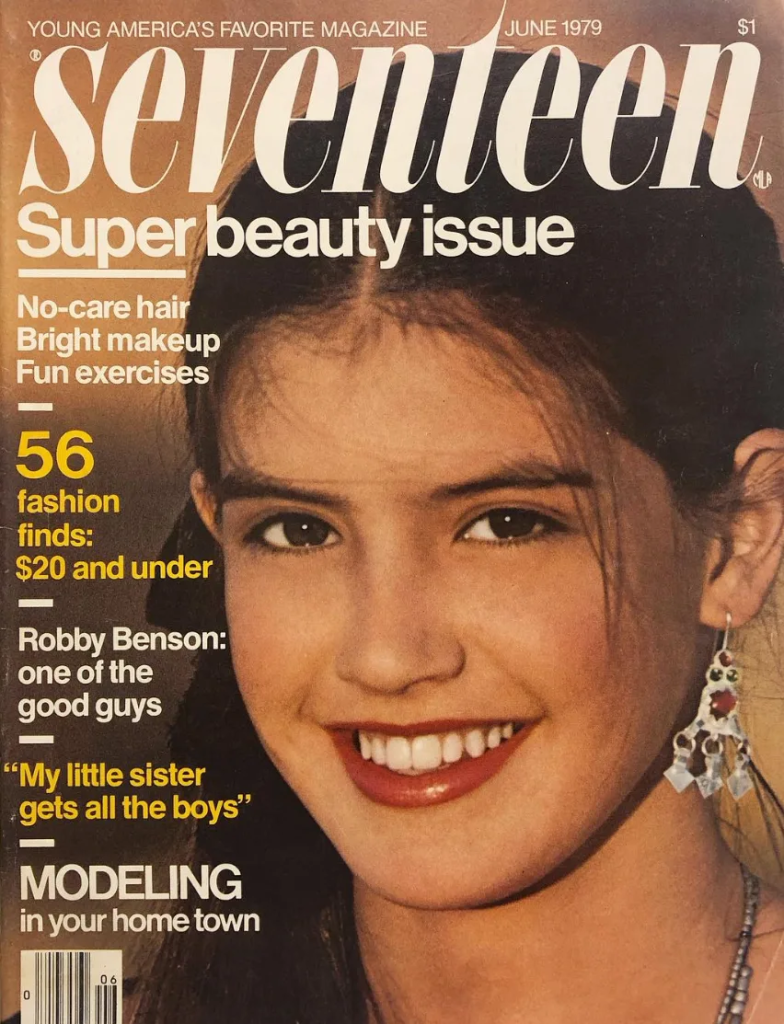
After stepping away from ballet, Cates began modeling as a teenager. Her striking appearance and confidence quickly drew attention, leading to magazine work and advertising campaigns. Modeling helped her become comfortable in front of the camera, but it also sparked a growing interest in acting.
Determined to transition into film, she began studying acting and auditioning for roles.
One of her first movie appearances came in the 1982 film Paradise, which introduced her to wider audiences and gave her valuable on-screen experience.
Later that same year, her breakthrough arrived with Fast Times at Ridgemont High. Directed by Amy Heckerling and based on Cameron Crowe’s book, the film became one of the defining teen movies of the 1980s.
Cates played Linda Barrett, a role that quickly made her one of Hollywood’s most talked-about young actresses. Alongside future stars like Sean Penn and Jennifer Jason Leigh, she helped create a film that would become a lasting part of pop-culture history.
Continued Popularity with Gremlins
In 1984, Phoebe Cates starred in another major success: Gremlins. Produced by Steven Spielberg and directed by Joe Dante, the film mixed comedy, fantasy, and horror in a way that captivated audiences worldwide.
Cates portrayed Kate Beringer, a character caught in the chaos caused by the mischievous gremlins. The movie’s unique tone and memorable characters—including the beloved Gizmo—helped turn it into a cult classic.
Her performance brought warmth and emotional balance to the story, adding to the film’s enduring popularity.
Choosing Family Over Hollywood Fame
As her career progressed through the late 1980s and early 1990s, Cates became increasingly selective about the projects she accepted. She often expressed appreciation for theater and more meaningful artistic work rather than simply chasing mainstream fame.
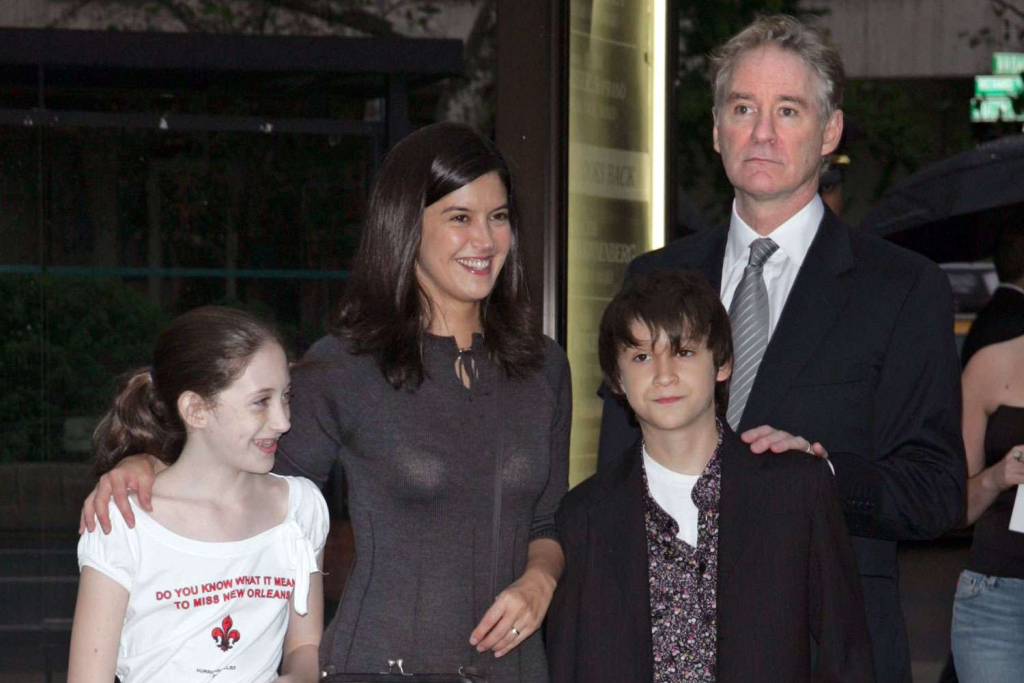
In 1989, she married actor Kevin Kline, an acclaimed performer known for both film and stage roles. Together, they built a life focused on family and privacy rather than constant celebrity attention.
After welcoming children, Cates gradually stepped away from acting to focus on raising her family—a decision that surprised many fans at the time.
Still, it reflected the values and priorities that mattered most to her.
Life Beyond the Spotlight
Years later, Phoebe Cates began a new chapter by opening her boutique, Blue Tree, in New York City.
The shop reflects her creative personality and personal style, featuring carefully selected clothing, gifts, artwork, and unique items from around the world. Customers often describe the boutique as imaginative, artistic, and highly personal.
The business allowed her to remain creatively involved while enjoying a quieter life outside Hollywood.
A Lasting Legacy
Although Phoebe Cates’ time in Hollywood was relatively brief, her influence remains strong. Her films continue to be celebrated by fans of 1980s cinema, and her performances still resonate with audiences decades later.
What makes her story stand out is not only her success on screen, but the choices she made afterward.
In an industry often defined by constant visibility and fame, she chose balance, privacy, and personal fulfillment instead.
That decision has only deepened the admiration many people feel for her today.
Ultimately, Phoebe Cates’ story is about following one’s own path. Rather than chasing endless fame, she built a life centered around family, creativity, and independence—proving that success can be defined in many different ways.