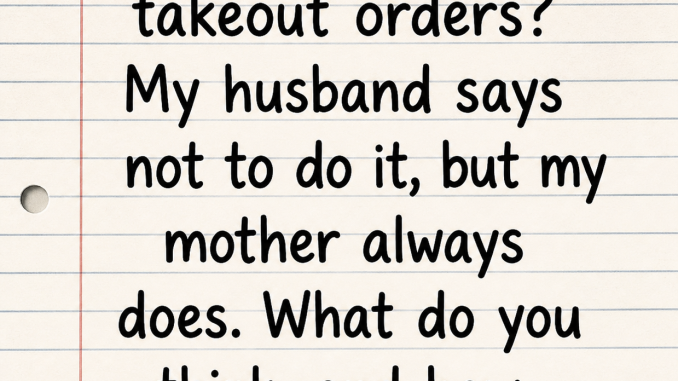
In the era of food delivery apps, curbside pickup, and quick takeout meals, tipping has become more confusing than ever. While tipping at a sit-down restaurant is deeply ingrained in dining culture, takeout orders sit somewhere in between. Should you tip when there’s no table service? Does the kitchen staff actually receive your tip? And is tipping for takeout expected—or simply optional?
This guide breaks it all down. From the history of tipping to what really happens behind the scenes, you’ll get a clear understanding of how to approach takeout tipping with confidence and fairness.
1. A Brief Look at Tipping Culture
Tipping dates back centuries and has long been used as a way to show appreciation for service. In the United States, it became widely adopted in the late 19th and early 20th centuries. Over time, it evolved into a key part of restaurant workers’ income.
Today, tipping is less about generosity and more about supporting workers whose base wages are often low. This is why the topic can feel complex—especially when it comes to takeout.
2. What “Service” Means in Takeout
Even though takeout doesn’t involve table service, there’s still a lot happening behind the scenes:
- Order Accuracy: Staff carefully prepare your order, including special requests and substitutions.
- Packaging: Food must be packed securely to stay fresh, warm, and intact.
- Timing: Orders are coordinated with kitchen flow and other customers.
- Food Preparation: Chefs and cooks put the same effort into takeout as dine-in meals.
Tipping in this case recognizes work you don’t always see.
3. The Psychology Behind Tipping
Tipping is often influenced by human behavior:
- Friendly interaction can increase willingness to tip
- Visible effort (organized packaging, attention to detail) matters
- Empathy plays a role, especially knowing workers rely on tips
Even a brief interaction at pickup can shape your decision.
4. Economic Reality
There are a few financial factors to consider:
- Service fees ≠ tips: App fees don’t always go to staff
- Wages are often low: Tips can significantly boost daily income
- Local support: Tipping helps small businesses and staff stay sustainable
5. How Much Should You Tip?
There’s no strict rule, but here are general guidelines:
- Standard: 10–15%
- Large or complex orders: 15–20%
- Small orders: $1–$2 is appreciated
- Curbside pickup: Around 10% or a few extra dollars
6. Differences by Region and Generation
Tipping habits can vary:
- In big cities, tipping on takeout is more common
- In smaller towns, it may be less expected but still appreciated
- Younger people tend to tip more frequently on takeout
- Cultural norms differ globally—some countries don’t expect tips at all
7. Digital Ordering and Apps
Technology has changed tipping behavior:
- Apps often suggest default tips (15–20%)
- It’s not always clear who receives the tip
- You can tip online or in cash—both are acceptable
8. Why Some People Don’t Tip on Takeout
There are valid reasons why some choose not to tip:
- Limited direct service
- Extra fees already included
- Personal budget considerations
At the end of the day, tipping is optional—not mandatory.
9. Ethical and Social Perspective
Tipping can also reflect personal values:
- Supporting fair compensation
- Helping local businesses
- Building positive relationships with staff
10. Practical Tips
- Check your bill for service charges
- Tip more for complicated orders
- Use cash when possible
- Be consistent when service is good
11. How Restaurants View Takeout Tips
From a business perspective:
- Tips help staff morale
- They support employee retention
- They reward effort during busy hours
12. Large or Group Orders
For bigger orders:
- Tip closer to 15–20%
- Be patient with preparation time
- A simple “thank you” goes a long way
13. Curbside Pickup
Curbside involves extra effort:
- Staff bring food directly to your car
- $2–$5 is common for small orders
- Larger orders may justify a higher tip
14. Busy Hours and Holidays
During peak times:
- Staff handle higher pressure
- Orders increase significantly
- Tipping shows appreciation for extra effort
15. Other Ways to Show Appreciation
If you prefer not to tip:
- Leave a positive review
- Recommend the restaurant
- Share your experience with others
16. Common Questions
Is tipping required?
No, it’s optional—but often appreciated.
Do staff receive the tip?
It depends—cash tips are more direct.
Can I tip after paying online?
Yes, either digitally or in cash.
17. The Future of Takeout Tipping
As takeout grows:
- Tipping may become more standard
- Transparency around tip distribution may improve
- Apps may simplify tipping systems
18. Final Thoughts
Tipping on takeout comes down to three simple ideas:
- Consider the effort behind the scenes
- Recognize any direct service you receive
- Use your own judgment
Even a small tip can make a difference. Whether it’s 10%, 15%, or just a dollar, the gesture shows appreciation and supports the people preparing your meal.