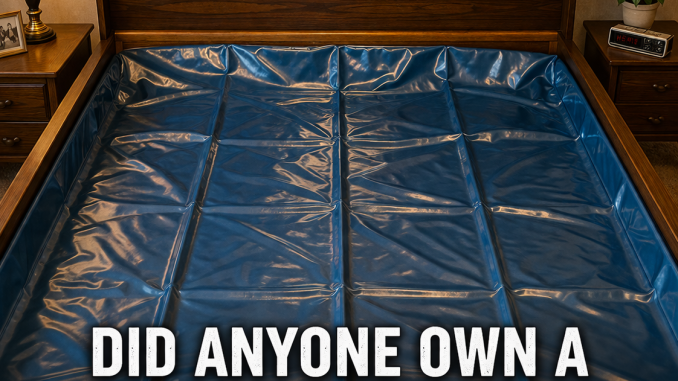
Waterbeds were one of the most unique and memorable home trends of the 1970s and 1980s. For many people, they weren’t just a piece of furniture—they were a lifestyle statement. Unlike traditional mattresses, waterbeds were filled with water, creating a soft, wave-like surface that moved with your body. This gave them a distinctive feel that many users described as relaxing and even therapeutic.
The concept of the waterbed actually dates back earlier, but it gained massive popularity in the late 1960s and quickly became a cultural phenomenon throughout the ‘70s and ‘80s in the United States. At one point, waterbeds made up a significant portion of all mattress sales. They were especially popular among younger adults and couples who were looking for something modern, different, and a bit luxurious.
Waterbeds served the same purpose as regular beds—sleep—but they offered some additional benefits. Many people believed they helped relieve back pain by evenly distributing body weight. Others loved the calming sensation of the water movement, which made it easier to fall asleep. Some models even came with built-in heaters, allowing users to warm the bed during colder months—something that felt incredibly cozy and advanced for the time.
Of course, they also came with challenges. Waterbeds were heavy, required careful setup, and could leak if damaged. Moving them from one place to another was not easy, and maintaining the right water level and temperature took a bit of effort. Over time, newer mattress technologies like memory foam and advanced spring systems became more convenient, leading to a decline in waterbed popularity during the 1990s.
Today, waterbeds are mostly seen as a nostalgic reminder of a bold and experimental era in home design. For those who had one, they often bring back memories of comfort, fun, and a time when trying something different was part of everyday life.