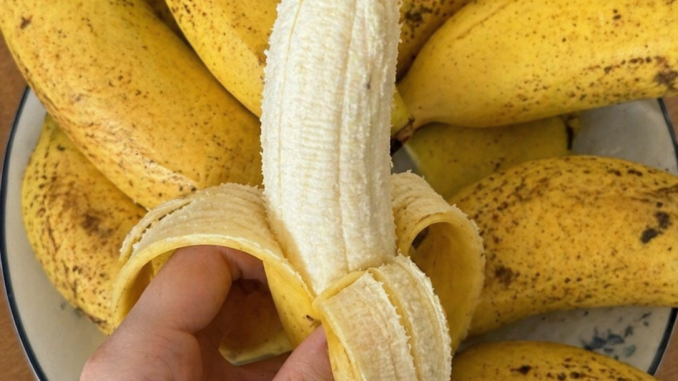
As people move past the age of 50, their approach to health and daily habits often becomes more mindful and intentional. Nutrition, in particular, starts to play a more central role. Questions like “Which foods should I include in my daily routine?” or “Are some foods better at this stage of life?” become increasingly common.
Among these everyday choices, bananas are often part of the conversation. They are easy to find, simple to eat, and naturally sweet—making them a popular option for breakfast, snacks, or a quick source of energy.
However, with so much health advice online, some claims suggest that eating a banana every day—especially after a certain age—might not always be ideal. This can create confusion.
The truth is much more balanced.
For most people over 50, including a banana in your daily diet can be a healthy and practical choice—especially when it’s part of a varied and well-balanced eating plan. Understanding how bananas fit into overall nutrition helps you make informed decisions without unnecessary worry.
Understanding What Bananas Offer
Bananas may seem simple, but they provide valuable nutrients that support the body in different ways.
A medium banana contains:
- Potassium, which helps regulate blood pressure and supports muscle function
- Vitamin B6, important for brain health and energy metabolism
- Vitamin C, which supports the immune system
- Fiber, which helps digestion and gut health
This combination makes bananas a convenient option for maintaining daily nutritional needs, especially as we age.
Why Nutrition Matters More After 50
As the body gets older, several natural changes occur, including:
- Slower metabolism
- Gradual loss of muscle mass
- Changes in digestion
- Greater focus on heart and bone health
Because of this, food choices become more important. People often look for foods that provide both nourishment and long-term benefits.
Bananas can be part of that balance when combined with other healthy foods.
What About the Sugar in Bananas?
A common concern is their natural sugar content. Since bananas taste sweet, some worry they may affect blood sugar levels.
But it’s important to understand:
- Natural sugars (in fruits) come with fiber and nutrients
- Added sugars (in processed foods) do not
The fiber in bananas helps slow down sugar absorption, providing more stable energy compared to processed snacks.
Potential Benefits After 50
When included in a balanced diet, bananas can offer several benefits:
1. Heart Health
Potassium helps maintain healthy blood pressure—important as heart health becomes a priority with age.
2. Steady Energy
Bananas provide natural carbohydrates that release energy gradually.
3. Digestive Support
Their fiber helps support a healthy digestive system.
4. Muscle Function
Potassium supports muscle movement and overall muscle health.
5. Convenience
They are easy to carry, require no preparation, and fit easily into daily routines.
When to Be Careful
While bananas are generally safe, some people should be more mindful:
- Those with kidney conditions may need to monitor potassium intake
- People managing blood sugar should pay attention to portion size
- Balance is important—no single food should replace variety
Easy Ways to Include Bananas
You can enjoy bananas in different ways:
- With oatmeal or cereal
- In smoothies
- With yogurt and nuts
- On whole-grain toast with nut butter
- Or simply on their own
The Bigger Picture
Health is not about one food—it’s about overall habits. A balanced diet includes:
- Fruits and vegetables
- Whole grains
- Lean proteins
- Healthy fats
- Proper hydration
Bananas fit easily into this bigger picture.
Final Thoughts
So, should you eat a banana every day after 50?
For most people, the answer is yes—when it’s part of a balanced lifestyle.
Bananas offer nutrients, energy, and convenience. While some individuals may need to consider specific health conditions, they are generally a safe and beneficial choice.
In the end, healthy eating is about balance, consistency, and making choices that support your well-being.
Sometimes, even something as simple as a banana can play a small but meaningful role in that journey.