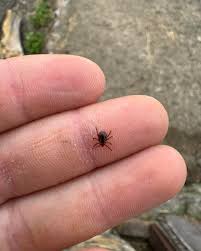
There’s a strange, uneasy feeling when something crawls across your skin. At first, it’s easy to ignore—like a tiny itch or a loose thread brushing your leg. You swipe at it without thinking… then you look closer.
That small dark speck isn’t dirt.
It’s not lint.
It’s a tick.
And if you notice a tiny white dot on its back, it could be a lone star tick—a species that’s become increasingly common across many parts of the United States.
Take a moment to breathe.
Yes, ticks should be taken seriously—but this is a situation you can handle calmly and safely if you know what to do. This guide walks you through the essentials: how to identify it, remove it correctly, what symptoms to watch for, and how to prevent future bites.
What Is a Lone Star Tick?
The lone star tick (Amblyomma americanum) is most commonly found in the eastern and southeastern U.S., though its range has been expanding in recent years.
How to recognize it:
- Adult females: One clear white or silvery dot on the back
- Adult males: No single dot, but light markings or streaks
- Color: Reddish-brown to dark brown
- Size: Very small when unfed (like a sesame seed), larger and gray when full
Unlike some ticks that passively wait, this species is known to actively seek hosts, which is why encounters can feel sudden and alarming.
Why People Worry About Lone Star Ticks
Like other ticks, they can carry diseases. They’ve been associated with:
- STARI (Southern tick-associated rash illness)
- Ehrlichiosis
- Tularemia
- Heartland and Bourbon viruses
They’re also linked to alpha-gal syndrome, a condition that can cause allergic reactions to red meat.
Important: not every tick carries disease—but because there’s some risk, acting quickly matters.
First Rule: Stay Calm, Act Quickly
Your first instinct might be to yank it off or crush it—but how you remove a tick is very important.
How to Remove a Lone Star Tick Properly
You’ll need:
- Fine-tipped tweezers
- Soap and water or rubbing alcohol
- A small container or tape
Steps:
- Use tweezers to grab the tick as close to the skin as possible
- Pull upward slowly and steadily
- Do not twist or crush it
- Clean the bite area and your hands thoroughly
- Dispose of the tick safely (alcohol, sealed container, tape, or flushing)
What NOT to Do
Avoid common myths:
- No petroleum jelly
- No burning with matches
- No nail polish or oils
- No aggressive twisting
These can actually increase risk.
Should You Keep the Tick?
It’s often a good idea.
Place it in a sealed container and note the date. If symptoms appear later, a doctor may want to identify it.
After Removal: What to Watch For
Over the next 30 days, keep an eye out for:
- Expanding rash
- Fever
- Fatigue
- Muscle or joint pain
- Headaches
- Swollen lymph nodes
Some redness is normal—but spreading rash or flu-like symptoms are not.
Understanding Possible Reactions
STARI:
Can cause a red rash, fatigue, and muscle aches—similar to Lyme disease but usually milder.
Alpha-gal syndrome:
May cause delayed allergic reactions after eating red meat, including:
- Hives
- Nausea
- Stomach pain
- Breathing difficulty (in severe cases)
If anything unusual happens, contact a healthcare provider.
When to Seek Medical Help
Get medical attention if you notice:
- High fever
- Severe headache
- Persistent or spreading rash
- Chest pain or breathing issues
- Signs of an allergic reaction
Early care can make a big difference.
Don’t Forget Pets
Ticks can hitch a ride indoors on animals.
After outdoor time, check:
- Ears
- Under collars
- Between toes
- Under the tail
Ask your vet about tick prevention products.
How to Reduce Tick Risk at Home
Ticks thrive in:
- Tall grass
- Leaf piles
- Brush
To reduce exposure:
- Keep grass short
- Clear leaves and debris
- Create barriers (gravel or wood chips)
- Store firewood off the ground
Protect Yourself Outdoors
- Wear long sleeves and pants
- Tuck pants into socks
- Use repellents (DEET, picaridin, IR3535)
- Treat clothes with permethrin
- Shower after being outside
- Do a full-body tick check
Why Quick Removal Matters
The longer a tick stays attached, the higher the chance of disease transmission. Removing it quickly lowers the risk significantly.
It’s Normal to Feel Unsettled
Seeing a tick on your skin can trigger anxiety or discomfort. That reaction is completely normal.
But understanding what to do gives you control—and reduces fear.
Final Thoughts
Finding a lone star tick can be alarming—but it’s manageable.
Remember:
- Stay calm
- Remove it properly
- Clean the area
- Monitor your health
- Take steps to prevent future bites
Most tick bites don’t lead to illness. Acting quickly and staying informed is the best protection you have.
Knowledge turns panic into confidence—and that makes all the difference.