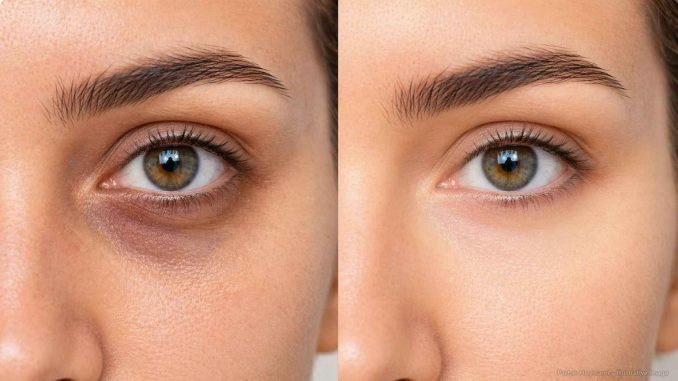
Dark circles under the eyes are one of the most common skincare concerns, affecting people of all ages. While they are often associated with lack of sleep, the truth is more complex. Understanding the real causes is the first step toward reducing their appearance effectively.
What Causes Dark Circles?
Dark circles don’t come from a single cause. In most cases, they are the result of a combination of factors:
1. Genetics
For many people, dark circles run in the family. If your parents have them, you are more likely to develop them as well. This is often due to naturally thinner skin under the eyes or increased pigmentation.
2. Thin Skin and Blood Vessels
The skin under the eyes is much thinner than the rest of the face. This makes blood vessels more visible, creating a bluish or dark appearance.
3. Lack of Sleep
Not getting enough sleep can make the skin look pale, which makes dark tissues and blood vessels more noticeable.
4. Dehydration
When the body is dehydrated, the skin under the eyes can appear dull and sunken, emphasizing dark shadows.
5. Allergies and Eye Rubbing
Allergic reactions can cause inflammation and increase blood flow to the area. Rubbing the eyes can worsen the darkness over time.
6. Sun Exposure
Too much sun stimulates melanin production, which can darken the skin under the eyes.
Natural Ways to Reduce Dark Circles
While dark circles cannot always be completely removed—especially if they are genetic—there are several natural methods that can significantly improve their appearance.
Cold Compresses
Applying something cold under the eyes can constrict blood vessels and reduce both puffiness and discoloration. This can be as simple as using chilled spoons, cold washcloths, or cucumber slices.
Tea Bags (Green or Black Tea)
Used tea bags contain caffeine and antioxidants. Studies suggest that caffeine can help improve blood circulation and reduce fluid buildup under the eyes, making them look less puffy and dark.
Proper Sleep
Getting 7–9 hours of quality sleep each night helps the skin repair itself and prevents the pale appearance that makes dark circles more visible.
Hydration
Drinking enough water throughout the day keeps the skin healthy and prevents the hollow, tired look under the eyes.
Elevating the Head While Sleeping
Sleeping with your head slightly elevated can prevent fluid from collecting under your eyes, reducing morning puffiness.
Sun Protection
Using sunscreen daily, even around the eyes, can prevent pigmentation from worsening due to sun exposure.
What Do Studies Say?
Research supports several of these approaches:
- A review published in the Journal of Clinical and Aesthetic Dermatology highlights that dark circles are often linked to vascular issues (visible blood vessels), pigmentation, and skin thinning.
- Studies on caffeine in skincare show that it can temporarily reduce swelling and improve microcirculation under the eyes.
- Dermatological research also confirms that antioxidants (like those found in tea) help protect the skin and reduce inflammation.
These findings explain why simple remedies like cold compresses and tea bags can have a visible, though temporary, effect.
The Bottom Line
Dark circles are not always a sign of poor health—they are often a natural result of genetics, skin structure, and lifestyle factors. While there is no instant or permanent “natural cure,” consistent habits like good sleep, hydration, and simple at-home treatments can noticeably reduce their appearance over time.
Understanding the cause behind your dark circles is key. Once you know the reason, you can choose the right approach—and avoid falling for misleading “quick fix” solutions that promise unrealistic results.