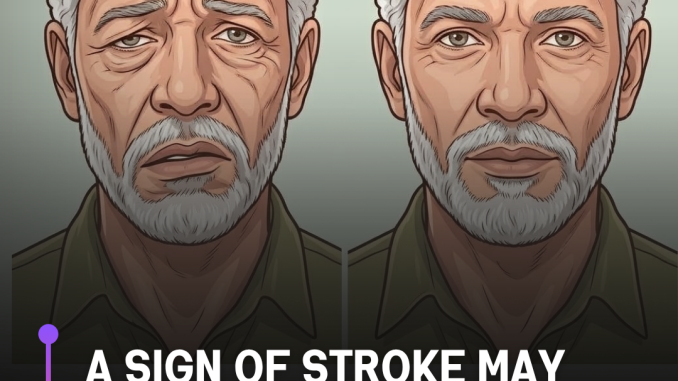
A stroke often happens suddenly, but some people experience an important warning beforehand: a transient ischemic attack, or TIA. Its symptoms can look very similar to those of a stroke and may disappear within minutes or hours. That temporary improvement can be dangerous because it may lead someone to believe there is no longer a problem. A suspected TIA is a medical emergency and can indicate an increased risk of a major stroke in the days or months that follow.
A stroke occurs when part of the brain is deprived of blood flow or when a blood vessel in the brain ruptures. Brain cells can become damaged very quickly, making timely treatment critical. A TIA is usually caused by a temporary interruption of blood flow without the same lasting brain injury, but there is no safe way to determine at home whether symptoms are a TIA or an actual stroke. Emergency medical evaluation is necessary even when the symptoms completely disappear.
Warning signs can include sudden weakness or numbness on one side of the face or body, trouble speaking or understanding speech, sudden vision problems, difficulty with balance, dizziness, or a severe and unexplained headache. The American Stroke Association uses the phrase “BE FAST” to help people recognize the warning signs: Balance problems, Eye or vision changes, Face drooping, Arm weakness, Speech difficulty, and Time to call emergency services. The sudden onset of these symptoms is especially important.
TIA is sometimes casually called a “mini-stroke,” but that term can make the condition sound less serious than it really is. According to the American Stroke Association, nearly one in five people who experience a suspected TIA will have a stroke within 90 days. The greatest risk may occur shortly after the event. Seeking medical attention quickly gives doctors an opportunity to identify the underlying cause and begin treatment that may lower the risk of a future stroke.
Medical evaluation may include a neurological exam, imaging of the brain and blood vessels, heart testing, and blood work. Doctors may check for narrowed arteries, abnormal heart rhythms, high blood pressure, diabetes, or other conditions that can increase the risk of blood clots. Treatment depends on the individual’s condition and the underlying cause. It may include medication, managing risk factors, or, in certain cases, a medical procedure. No home remedy can replace an emergency medical evaluation.
Not every headache, dizzy spell, or tingling sensation means that a stroke is coming. These symptoms can have many different causes, and vague symptoms occurring weeks in advance are not a reliable way to predict a stroke. The key warning is much more specific: a sudden neurological symptom should be treated as an emergency, even if it goes away. Waiting to see if the symptom returns could mean missing an opportunity for early treatment.
If symptoms occur, call the local emergency number instead of driving yourself or the affected person to the hospital. Remember the time the person was last known to be well, since treatment decisions often depend on when symptoms began. Do not give food, drinks, aspirin, or other medication unless emergency medical professionals tell you to do so. Some strokes are caused by bleeding, and medications that affect blood clotting could be dangerous in that situation.
Long-term prevention is also important. People can work with their healthcare providers to control blood pressure, cholesterol, and blood sugar, avoid smoking, stay physically active, and take prescribed medications as directed. Atrial fibrillation and other heart conditions may require specific treatment. Because stroke risk differs from person to person, prevention should be based on an individual medical evaluation rather than an online checklist.
Family members, friends, and coworkers can also prepare by learning the BE FAST warning signs and knowing the local emergency number. Someone experiencing a stroke may have difficulty speaking or explaining what is happening. A person nearby who recognizes facial drooping, arm weakness, or speech problems can make the emergency call quickly.
The phrase “90-day warning” should never be taken to mean that someone can wait weeks to schedule a routine appointment. A TIA may last only a short time, but the danger it signals can be immediate. If a sudden stroke-like symptom appears and then disappears, the safest response is still to seek emergency medical care.
Temporary symptoms deserve immediate attention.