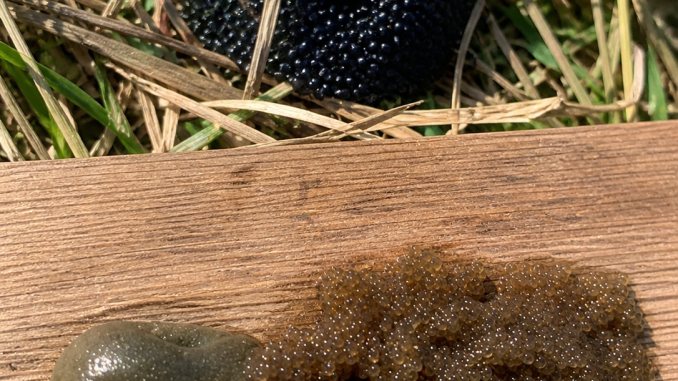
Last summer, I had way too many close encounters with ticks… and trust me, once you deal with them, you never forget it.
My dog kept bringing them into the house, and the only way to get rid of them was manually — tweezers, patience, and a strong stomach. Not exactly a pleasant experience. So when I came across what looked like a cluster of tiny eggs in my yard, I froze. My first thought? “Nope. This can’t be happening.”
At first glance, tick eggs don’t look that scary. They’re tiny, often reddish-brown, and appear in clusters that can resemble small beads or pearls stuck together. But here’s the real problem…
Each of those clusters can contain hundreds — even thousands — of future ticks.
And ticks aren’t just annoying. They can carry diseases that affect both humans and pets, including Lyme disease and other serious infections. That’s why spotting something like this in your garden should never be ignored.
But before you panic — take a breath.
Here’s what you should do if you find something like this:
- Put on gloves before getting close
- Carefully collect the cluster without crushing it
- Place it in a container with rubbing alcohol to destroy it
- Avoid touching it with bare hands
- Clean and disinfect the surrounding area
- Check nearby spots for more clusters or active ticks
Some people also choose to treat the area with a tick-safe pesticide (like permethrin), but always follow instructions carefully.
Prevention is your best defense:
- Keep your lawn short and bushes trimmed
- Remove leaf piles and excess moisture
- Create a barrier (gravel or wood chips) between yard and wooded areas
- Use tick prevention treatments for pets
- Always check your body and pets after being outdoors
Finding something like this can feel overwhelming — I get it. I’ve been there. But the key is acting quickly and staying consistent with prevention.
Ticks may be part of outdoor life… but that doesn’t mean you have to let them take over your space.
Stay alert, stay prepared — and don’t ignore the warning signs.