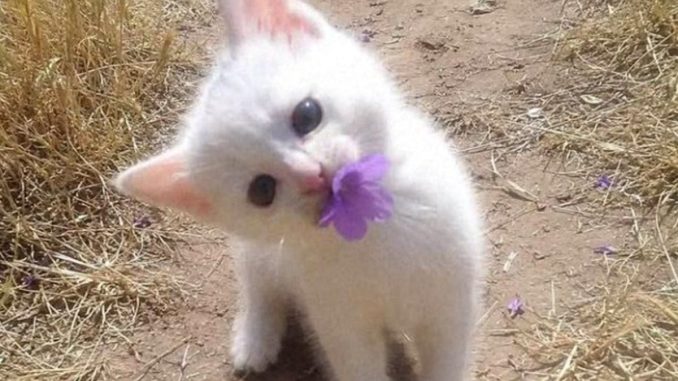
There are times when browsing online leads to discovering something so cute that it instantly makes you smile. This is one of the joys of being on the internet. Alongside the usual content, many genuinely heartwarming posts can brighten your day with just a bit of happiness. Recently, a specific account on X was found that is packed with this kind of delightful content. It’s the type of page you might check briefly but find yourself scrolling through for much longer, simply because everything is so charming. If you’re looking for something sweet to lift your spirits, keep scrolling!
Various adorable things, like teddy bears, kittens, and ducklings, seem to have one common trait: they are all seen as cute. Have you ever thought about why certain things make us say, “Aww”? There is more to cuteness than what we initially recognize. Experts believe that certain features, such as a small body, large head, big round eyes, and soft cheeks, contribute to what we consider adorable. Imagine a tiny puppy with floppy ears or a kitten curled up; it’s hard not to find them lovable!
There’s a scientific reason behind our warm reactions to these traits. Ethologist Konrad Lorenz from Austria introduced the idea of Kindchenschema, which highlights that specific characteristics resembling human babies can prompt our nurturing instincts. These traits include larger heads, big eyes, rounded faces, and smaller noses. This theory suggests our brains are wired to respond affectionately to these features, promoting a desire to care for the little beings that have them. From an evolutionary view, this instinct may have supported human survival by encouraging the protection of young.
This means that the instinct to cuddle a fluffy kitten or smile at a baby’s chubby cheeks is likely rooted in our biology. Our brains may react to traits that indicate vulnerability, triggering our urge to care. Not everything cute needs to look like a human baby, and personal preferences also shape our views. Yet, it’s interesting how even a small creature or a cartoon character can create an immediate bond with us, often just needing a pair of big eyes and a round face to win our affection.
The appreciation for cuteness is especially prominent in Japan, where the concept of kawaii plays a significant role in its culture. Kawaii, often translated as “cute,” extends beyond mere looks and can be seen in fashion, art, entertainment, and everyday items. Iconic figures like Hello Kitty and Pokémon showcase designs that have captivated fans of all ages globally. From cute stationery and stuffed animals to colorful accessories and themed cafés, kawaii culture embraces the softer, playful aspects of life, illustrating the joy found in sweet and whimsical elements.
Cuteness holds more power than just bringing smiles. Adorable images can affect our feelings, capture our focus, and even change how we handle tasks. According to neuropsychologist Sanam Hafeez, the appeal of cuteness often evokes positive feelings, helping us feel relaxed and content. Although a cute picture isn’t going to magically transform everything, its influence can be significant.
What are your thoughts on the impact of cute images on our daily lives?
Sources:
Source: Bored Panda, by Erika Saikovskytė