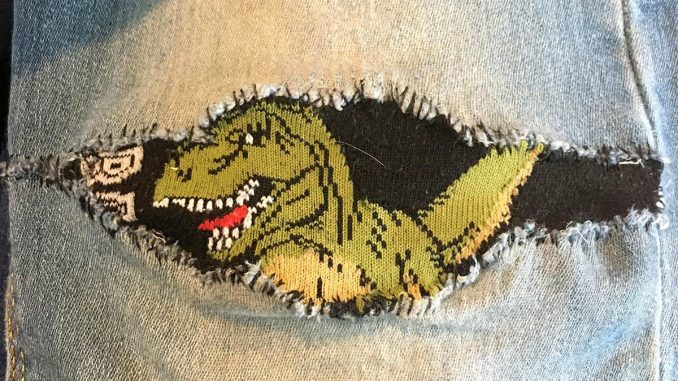
Who says that broken items should be thrown away? Often, all they need is some creativity, a few tools, and someone willing to try to fix them. Many people have experienced their favorite jeans ripping, a chair losing a leg, or a cherished bag wearing out. Typically, the first thought is to replace them with new ones. However, what if fixing those items could make them even better? Creative individuals are showing that repairs can make a big difference, and the results can be quite impressive.
Bored Panda has compiled a collection of remarkable DIY repairs by people who chose not to discard their damaged belongings. These inventive solutions range from fixing furniture and clothing to everyday household items. They demonstrate how patience and creativity can truly make a difference. Readers are encouraged to look through these examples for inspiration that might change their minds about throwing items away and even help them save some money.
The article also touches on the consumer culture surrounding fast fashion. Many people often feel the urge to buy trendy clothes that are accessible and inexpensive. However, this has led to an increase in waste, as people also tend to discard items more readily.
Journalist Dana Thomas explores the negative impacts of our focus on affordable, fashionable clothing in her book about fast fashion. She highlights issues such as pollution from clothing production, worker exploitation in the garment industry, and the vast amounts of clothing that end up in landfills. The book calls for a reevaluation of shopping habits and suggests ways for the fashion industry to become more sustainable.
According to the United Nations Environment Programme, the world generates around 92 million tons of textile waste every year. This figure underscores the severity of the issue, which includes the disposal of not only clothes but also household textiles like towels, curtains, and carpets. The cycle of production and waste is more extensive than many realize.
Interestingly, the waste problem is not only caused by individuals cleaning out their closets; businesses also play a role. Clothing retailers may have unsold stock, hotels frequently replace old linens and towels, and fashion designers often end up with excess fabric after producing clothing.
Sources:
Source: Bored Panda, by Denis Krotovas