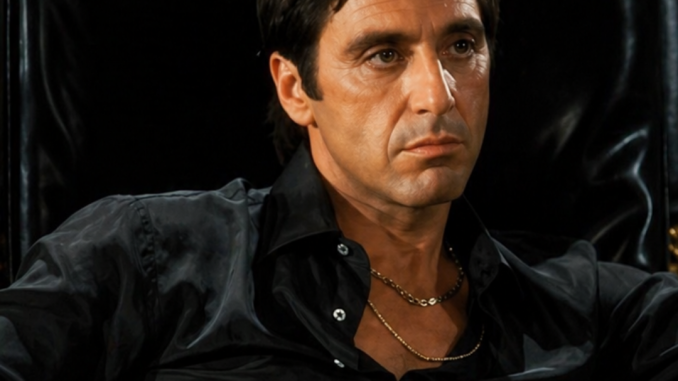
A Humble Beginning
Before the fame, awards, and worldwide recognition, Al Pacino was just a young man trying to survive in New York City.
Born on April 25, 1940, in East Harlem, Pacino grew up in a working-class Italian-American family. His parents separated when he was young, and he was raised primarily by his mother and grandparents in the Bronx. Life was far from easy, and financial struggles were a constant part of his early years.
As a teenager, Pacino had difficulties in school and eventually dropped out. However, he discovered a passion that would change everything — acting.
Finding Purpose Through Acting
Pacino pursued acting seriously and studied at the Actors Studio under legendary coach Lee Strasberg. There, he developed the intense and emotional acting style that would later define his career.
In the late 1960s, he began performing in small theater productions. One of his early paid roles came at the Charles Playhouse in Boston, where he earned just $125 a week.
While the pay was minimal, the experience proved to be invaluable.
The Breakthrough That Changed Everything
In 1968, Pacino starred in the off-Broadway production The Indian Wants the Bronx. His performance was raw, powerful, and unforgettable.
He won an Obie Award for Best Actor, and more importantly, he caught the attention of producer Martin Bregman. Bregman soon became his manager, forming a partnership that would shape Pacino’s future in film.
Broadway Success and Recognition
Pacino made his Broadway debut in 1969 with Does a Tiger Wear a Necktie?. Although the production had a short run, his performance earned him a Tony Award.
Throughout the 1970s, he continued performing on stage while gradually transitioning into film. His reputation as a serious and dedicated actor continued to grow.
The Role That Made Him a Star
Pacino’s life changed dramatically when director Francis Ford Coppola cast him as Michael Corleone in The Godfather (1972).
At the time, the decision was considered risky. Studio executives preferred more established names. However, Coppola’s confidence in Pacino proved to be right.
The film became a global success, and Pacino’s performance earned him an Academy Award nomination, launching him into international fame.
A Decade of Legendary Performances
The 1970s marked a defining era in Pacino’s career. He delivered powerful performances in films such as:
- Serpico (1973)
- The Godfather Part II (1974)
- Dog Day Afternoon (1975)
Each role demonstrated his remarkable range and emotional depth, earning him multiple Academy Award nominations and critical acclaim.
Challenges and a Legendary Comeback
The early 1980s brought challenges, with some of his films receiving mixed reactions.
However, in 1983, Pacino made a powerful comeback with Scarface. His portrayal of Tony Montana became one of the most iconic performances in film history.
Although controversial at the time of its release, the film later achieved cult status and solidified Pacino’s legacy.
Beyond Film: A Lifelong Commitment to the Craft
Despite his success in cinema, Pacino never abandoned the theater. He continued to perform on stage throughout his career, appearing in productions such as American Buffalo, Richard III, and Salome.
His dedication to acting as an art form has remained constant over the decades.
Awards, Legacy, and Influence
Over the years, Pacino has received numerous prestigious awards, including an Academy Award, multiple Golden Globe Awards, and Tony Awards.
His influence on modern acting is profound. Many actors today consider him one of the greatest performers of all time.
Current Status
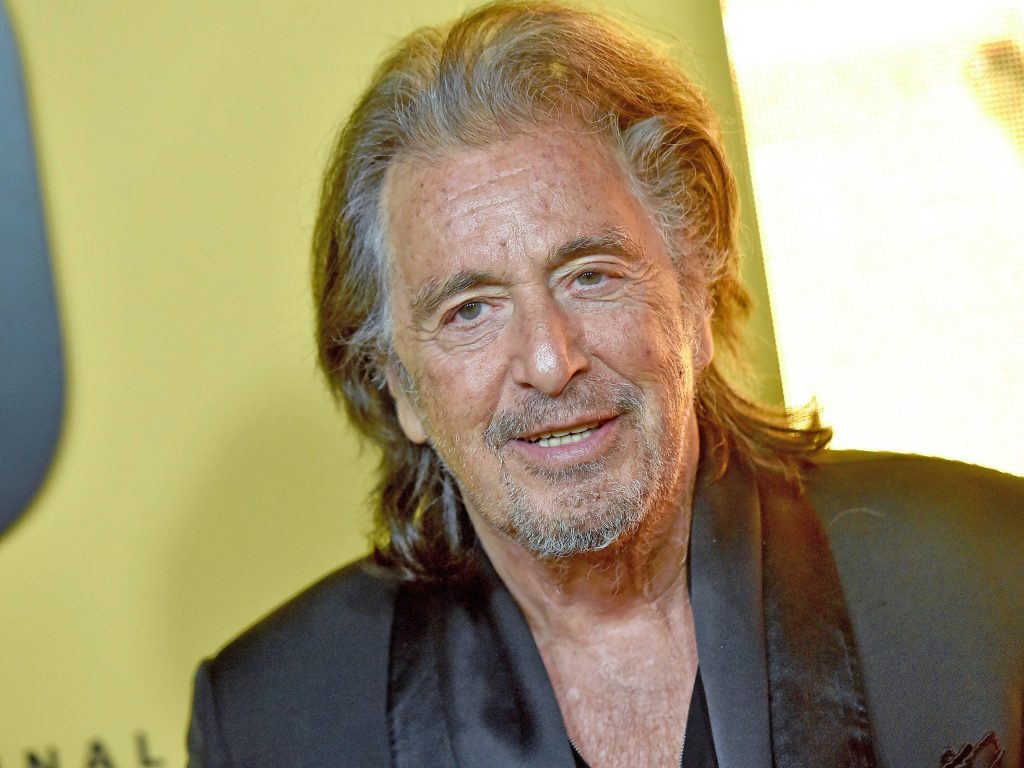
Al Pacino is 85 years old, having been born on April 25, 1940, and remains one of the most enduring figures in the history of cinema.
Despite his age, he continues to stay connected to the entertainment industry, taking part in select film projects, collaborations, and public appearances. His presence, even in more recent appearances, reflects the lasting impact of a career built on discipline, intensity, and artistic dedication.
Over the decades, Pacino has created a body of work that extends far beyond individual performances. His legacy continues to influence both audiences and new generations of actors around the world.
Final Thoughts
Al Pacino’s journey is a powerful story of perseverance, passion, and talent.
From earning just $125 a week on stage to becoming one of the most respected actors in history, his path proves that success is built over time through dedication and belief in one’s craft.
Even today, his name remains synonymous with excellence in acting.