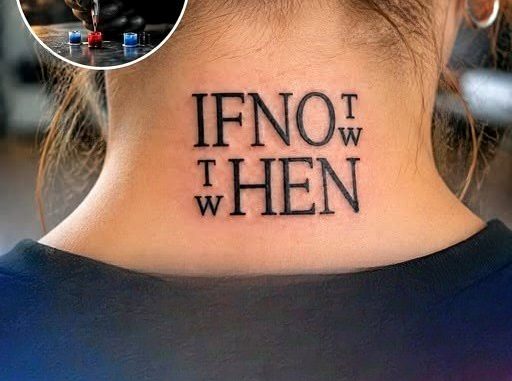
A unique tattoo has been gaining interest online for its intriguing design. At first, it seems like a random mix of words on someone’s skin. The letters are jumbled in a way that makes it hard to decode the message right away. As more people look at it, they find it increasingly engaging. Some viewers quickly think they understand the message, while others take longer to piece together its meaning. The challenging layout encourages people to zoom in, tilt their heads, and explore different interpretations.
What stands out about this tattoo is not just the presence of words but the clever way they are arranged to create a visual puzzle. It highlights how typography, creativity, and human understanding can come together. This example shows why visual challenges and optical illusions continue to capture attention on social media.
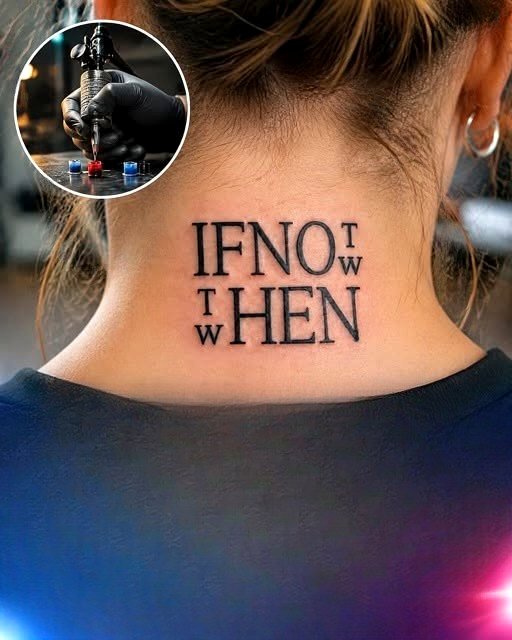
Most tattoos usually convey messages through clear images, symbols, or phrases. People often choose tattoos of flowers, animals, significant dates, or names. Others might opt for short sayings or artistic representations of important life events. The tattoo in question, however, takes a different route. Instead of a direct message, its letters are arranged in a way that complicates immediate understanding, turning it into a mini puzzle for viewers. At first, individuals may spot some letters or words but struggle to see how they relate to one another. This unusual setup prompts viewers to take a closer look, creating a moment of curiosity. Once someone figures out what the message might be, it can feel rewarding.
This is part of why visual puzzles grab attention. They encourage interaction rather than just passive observation.
When it comes to visual perception, the brain is constantly interpreting what we see. Every time we encounter an object, read text, or identify a face, our brains organize the information and relate it to known patterns. Typically, this happens very swiftly. For instance, recognizing a word doesn’t require analyzing every letter. People can identify common letter combinations and use context to grasp meanings quickly. However, unusual letter arrangements can disrupt this fast process. When letters are positioned unexpectedly or have strange spacing, the brain must work harder to make sense of them, similar to solving a puzzle.
This interpretation process ties closely to how we perceive visuals. Different viewers may engage with the same tattoo in varied ways. Some might see the overall pattern first, while others pay attention to individual letters before understanding the full message. The experience can vary based on how the tattoo is viewed and the quality of the image.
What do you think draws your attention to designs like this?
Sources:
Source: Teknonoktasi, by admin