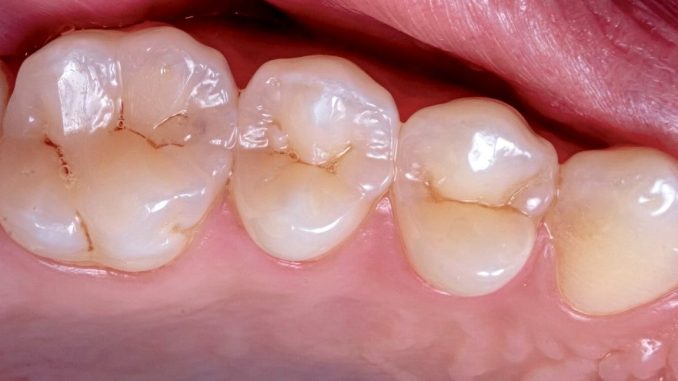
The FDA may soon approve a new dental treatment that could help many children avoid painful procedures like drilling and surgery. Every year, a lot of young children in the U.S. go to emergency rooms because of untreated tooth decay. Many of these kids end up needing surgery under general anesthesia, while others suffer from pain and infections. A liquid called silver diamine fluoride (SDF) might help prevent these situations.
SDF is applied to cavities using a small sponge-tipped applicator in just a few seconds per tooth. This liquid stops tooth decay without the need for drilling or injections. Dentists in other countries have used SDF successfully for many years, and it has been used off-label in the U.S. since 2014 when it was approved as a medical device for tooth sensitivity. However, it has not received full FDA approval as a drug for treating cavities because it lacked the large clinical trials needed for such approval in the U.S.
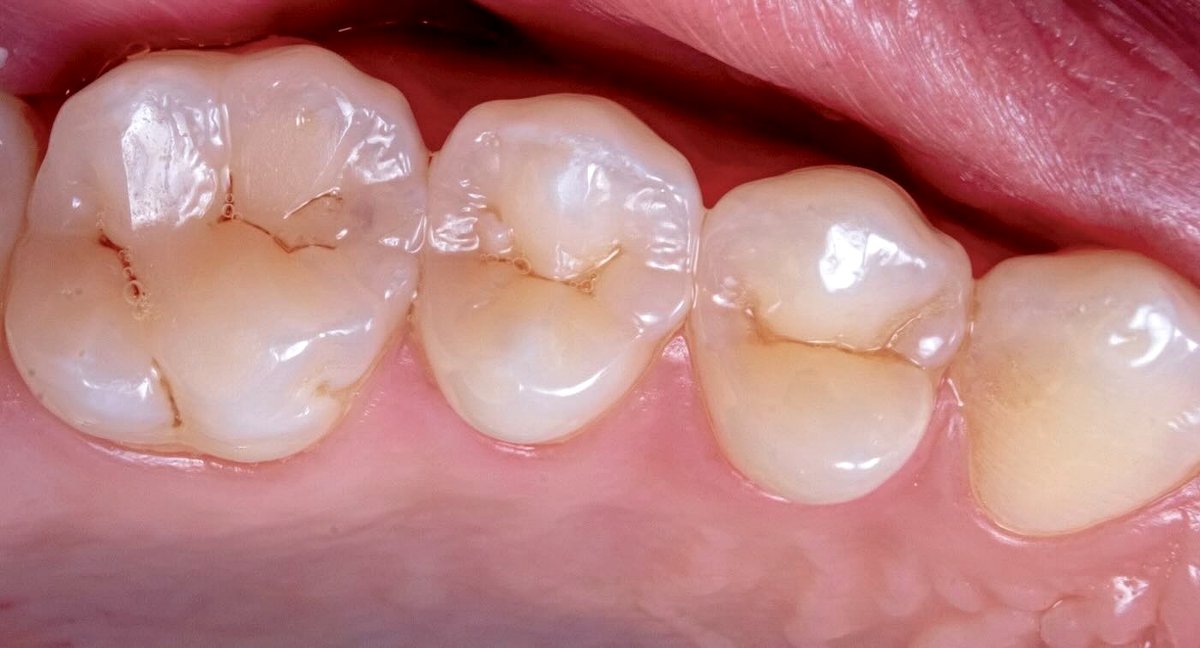
A recent clinical trial led by the University of Michigan has provided the necessary evidence. The study was published in JAMA Pediatrics and included 830 children under the age of six from Michigan, New York, and Iowa. Researchers discovered that SDF could stop decay in more than half of the affected baby teeth when treatments were given every six months. Instead of removing part of the tooth like traditional methods, SDF is simply painted onto the cavity.
Margherita Fontana, a professor at the University of Michigan School of Dentistry and the study’s lead investigator, noted that this treatment is both safe and effective, even for toddlers as young as one year old. Tooth decay is a common issue, impacting more than 40% of children in the U.S. If left untreated, cavities can lead to significant pain, infections, trouble eating and sleeping, missed school days, and frequent medical visits. Fontana mentioned that SDF could be particularly useful for young children, older adults, and those with special needs or dental anxiety, who may find normal dental treatment hard to handle.
The only major issue with SDF is its cosmetic effect, as it permanently darkens the decayed tooth area. Fontana emphasized the need for solid evidence to show that SDF works effectively and safely. She explained that having reliable data is crucial for gaining wider acceptance of SDF, especially since many young children see pediatricians before they ever visit a dentist.
The study’s results provide the information needed for the SDF manufacturer to apply for FDA approval as a dental caries drug. The SDF used in the trial was Advantage Arrest 38%, supplied by Elevate Oral Care. Amr Moursi, a professor of pediatric dentistry at New York University, stated that this study adds important data to support FDA approval for SDF in young children. He believes moving SDF out of off-label status could lead to more frequent use by providers and better outcomes for patients.
For some children, applying SDF every few months might be enough until their baby teeth fall out naturally. For adults, it could serve as a long-term solution or a temporary measure until they can afford or access more comprehensive dental work. Fontana reiterated that SDF can halt decay and alleviate pain and infections, potentially benefiting many people.
What are your thoughts on this new treatment?
Sources:
Source: Good News Network, by Andy Corbley