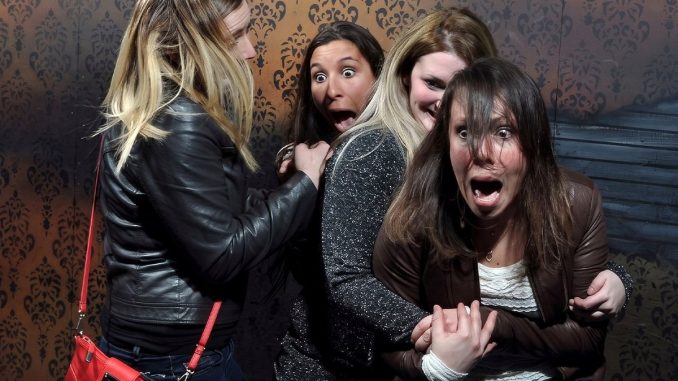
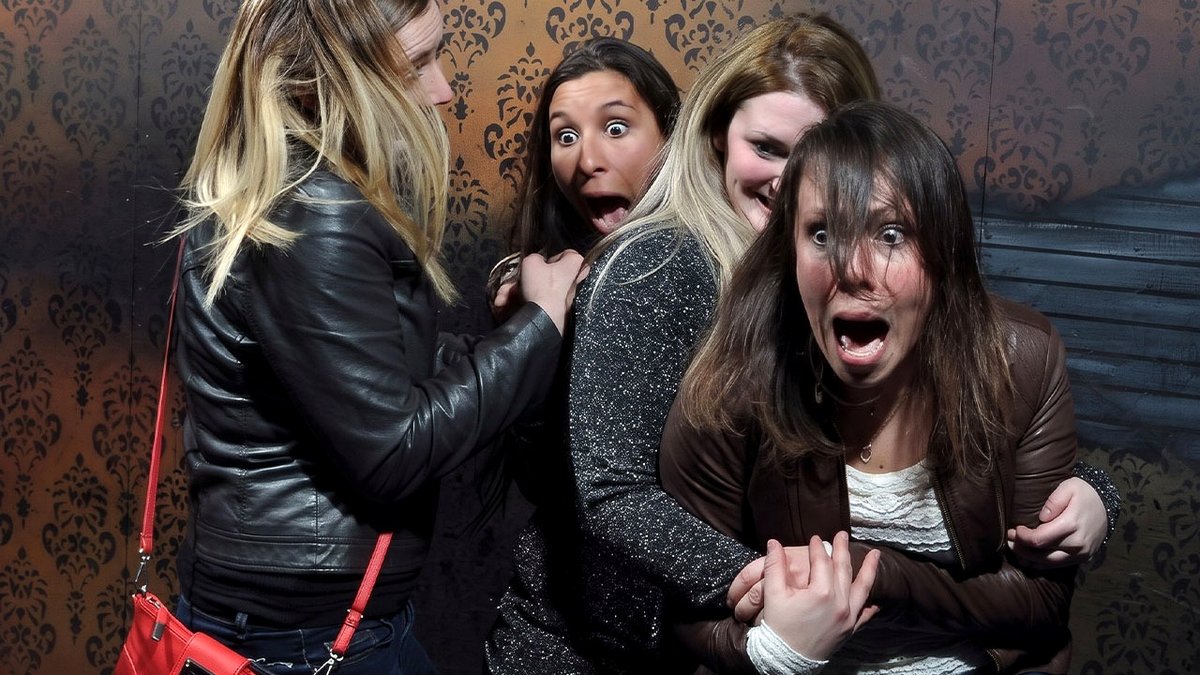
Halloween haunted houses aim to make people scream, jump, and rethink their choice to enter. The real fun often comes from observing how visitors react when a scary figure unexpectedly appears from the shadows. Some individuals hold tightly to their friends, while others dash to the exit without glancing back. Hidden cameras capture these moments, creating entertaining photos of their frightening experiences. A collection of the most humorous reactions has been put together, showing how fear can lead to amusing expressions and panic. Viewers can enjoy these images and imagine how they might respond in similar situations.
Halloween’s origins are more complex than just candy and costumes. It is linked to the ancient Celtic festival of Samhain, which celebrated the end of harvest and the start of winter. People believed that during this time, the line between the living and the dead blurred, leading them to light bonfires and wear costumes to scare away spirits. Over time, Christian customs influenced the holiday, marking November 1 as All Saints’ Day and the night before as All Hallows’ Eve, later shortened to Halloween.
The tradition of scaring people for fun is not new. In 1802, wax artist Marie Tussaud exhibited chilling figures related to the French Revolution in London, giving an early glimpse into horror entertainment. These spooky displays contributed to the development of haunted attractions, showing that people have long sought thrills from fear.
While early horror attractions provided a taste of the strange, haunted houses became increasingly popular during Halloween. During the Great Depression, many American communities began setting up haunted houses and spooky trails to entertain youth, especially as Halloween pranks became more frequent. Families converted their basements into frightful zones, paving the way for the elaborate haunted houses of today.
Modern haunted attractions are meticulously designed to keep visitors on edge. Poor lighting creates uncertainty about what lurks around the corner, eerie sounds heighten suspense, and actors are trained to surprise guests at just the right moment. The goal is to maintain an atmosphere of uncertainty, as a good scare is more effective when visitors can’t tell if what lies ahead is just a prop or something more menacing.
People are willing to pay to experience fear in a safe environment, as haunted houses offer a chance to feel terrified without real danger. This thrilling experience is enjoyable when people feel a mix of fear and control. The rush of adrenaline can be exhilarating, and the relief after a scare can make the experience even more enjoyable.
Visiting a haunted house with friends enhances the fun, especially when everyone reacts differently to the same fright. Some might move ahead with confidence while others may jump back in surprise. What kind of reactions do you think you would have in a haunted house?
Sources:
Source: Bored Panda, by Monika Pašukonytė