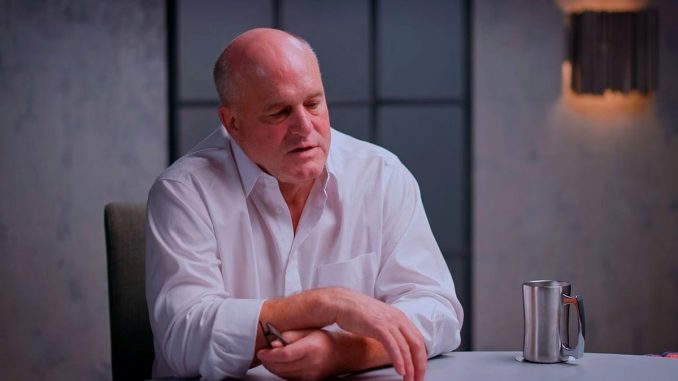
People often think about what happens at the end of life — whether they will see a light or have meaningful experiences. Experts, including hospice doctor Christopher Kerr, are starting to provide answers. Dr. Kerr has listened to his patients for many years and found an interesting pattern: almost 90% of them reported having vivid dreams and visions before passing away.
Since the late 1990s, Dr. Kerr has studied over 1,500 patients to learn about the mind’s activities as life comes to a close. His research, which focuses on End-of-Life Dreams and Visions (ELDVs), shows that many patients see loved ones who have died shortly before they pass. These experiences can take place when a person is asleep, waking, or even fully alert, but they are all described with the same strong emotions.
To gather information, Dr. Kerr and his team began conducting daily interviews at Hospice Buffalo in New York in 2010. They made sure to carefully select participants to eliminate confusion or hallucinations. Their findings, published in the Journal of Palliative Medicine in 2014, revealed that such experiences are more common than previously believed.
As a person’s health deteriorates, their thoughts often turn to deep connections with loved ones. These visions may start weeks before death and grow more frequent. Patients may dream about everyday activities or embark on journeys, but as death approaches, they often see comforting visits from deceased friends and family. Dr. Kerr mentioned that these visits typically involve people who loved them unconditionally, while those who did not are absent from these visions. He also noted that some patients relive painful memories, using these moments to find closure.
Remarkable true stories demonstrate how these visits can provide comfort. One terminally ill woman found peace in visualizing the baby she had lost long ago. A war veteran found solace after a visit from a fallen comrade. In an extraordinary case, a toddler in a coma briefly awakened to give her parents a smile before passing away. The study highlighted that young children would not have the understanding to grasp death or its emotional effects on their parents.
Patients rate these encounters very highly, often a ten out of ten, describing them as real experiences rather than dreams. Research shows that unlike medical delirium, these visions do not leave people feeling scared or confused.
What do you think about these findings on end-of-life experiences?
Sources:
Source: Bored Panda, by Rugilė Žemaitytė