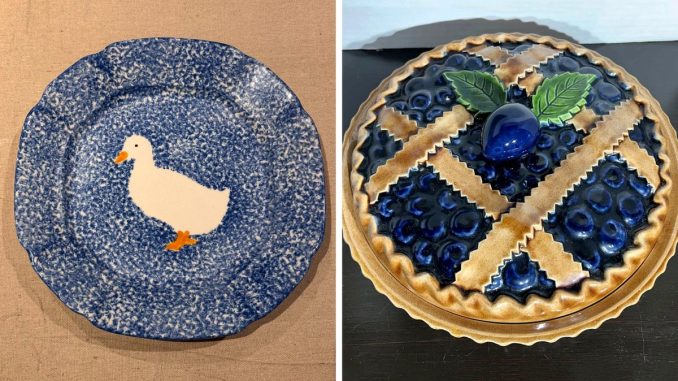
Finding a hidden treasure for a fraction of its usual price can be quite rewarding. This might include vintage furniture, unique collectibles, or designer items that someone else missed. Thrift shopping transforms browsing into an exciting treasure hunt. Discovering something you have been looking for can make it feel even more special. Many people enjoy sharing their amazing thrift store finds online. From surprising deals to one-of-a-kind items, these discoveries show that great items can be hiding in plain sight.
Thrift shopping creates a sense of adventure that regular stores often lack. According to Psychology Today, the unpredictability of thrift stores turns shopping into a treasure hunt, where each visit holds the chance of finding a rare item, a vintage collectible, or something that is worth much more than its price tag. Unlike typical retailers, secondhand shops frequently change their inventory, making every trip a new experience. Shoppers do not know what they will find, and this uncertainty adds to the fun.
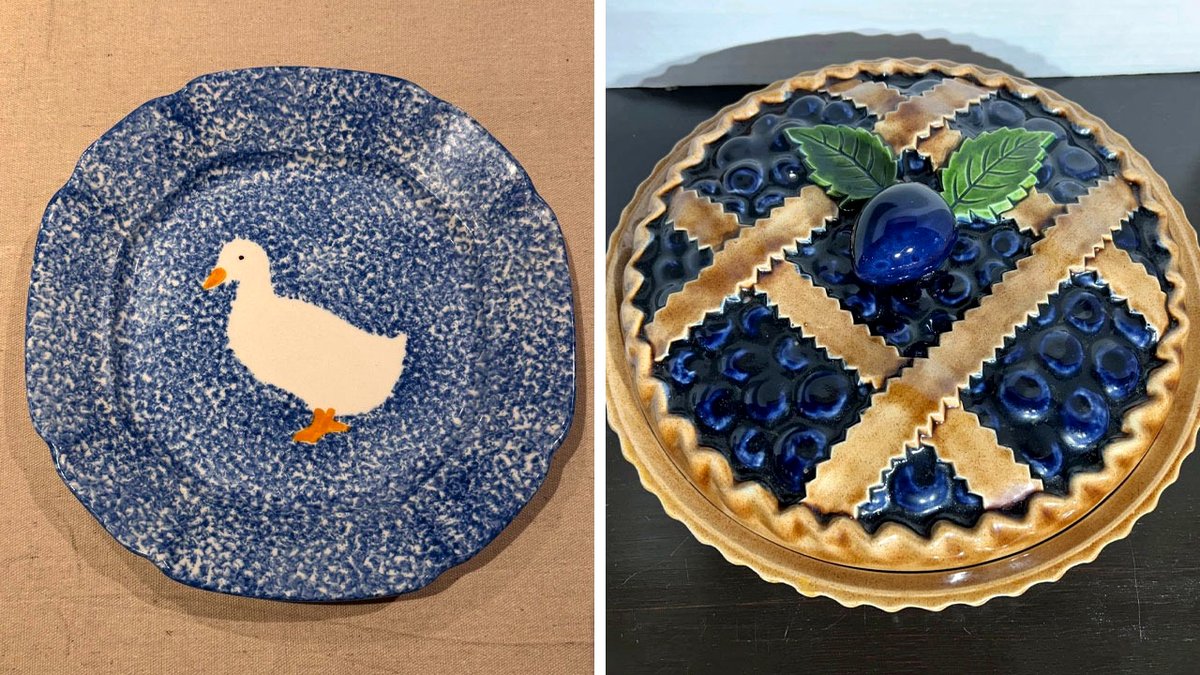
The thrill comes not just from finding a good deal. Going through racks, looking at labels, comparing prices, and spotting forgotten treasures makes the experience enjoyable in itself. Once someone finds an item they like, assessing its condition or realizing how inexpensive it is can enhance satisfaction. There is often a story behind these finds, whether it is a vintage jacket purchased for a few euros or a unique piece of furniture that would have been much pricier elsewhere. The combination of effort and luck makes thrifted items feel more special.
Another reason some secondhand items feel significant is that they carry a sense of history. The British Psychological Society notes that an object’s past can hold emotional value beyond its look or purpose. An old book, a worn chair, or a vintage accessory can remind someone of a certain time, spark memories, or create curiosity about its former owner. Psychologists refer to this connection as an object’s biography, which describes the story it gathers through its creation, use, repairs, and changes in ownership. This background can make an ordinary item seem unique and worth keeping.
Even if shoppers know little about where an item came from, its appearance can lead them to imagine its past life. A faded pattern, a unique design, or a label from a brand no longer in business might hint at a different time or a lost trend. What do you think about the treasures people find in thrift stores?
Sources:
Source: Bored Panda, by Indrė Lukošiūtė