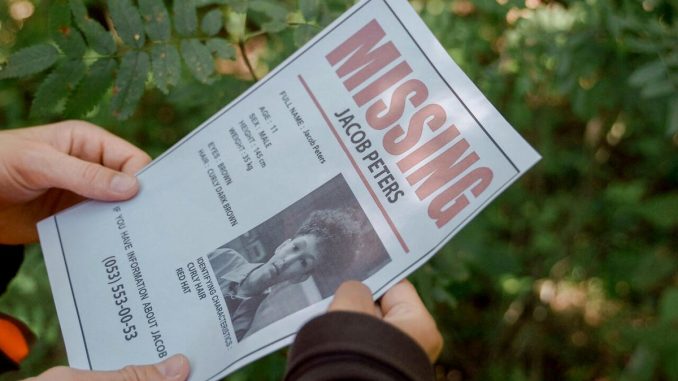
Missing-person posters are something many people have seen. They can be found at bus stops or on bulletin boards, and some individuals might receive alerts about them on their phones. Each poster represents a hope that someone will recognize the person who is missing. However, what happens when the person in the poster is a child who disappeared many years ago and has grown up? This is where age-progression images are useful.
Age-progression images have been used for a long time in missing-person cases. They help the public imagine how someone might look after many years have passed since they went missing. With advancements in AI, people can now create their own predictions of how they might appear as they age. Many internet users have been sharing their own age-progression images and making jokes about how AI tends to give them unrealistic, model-like features, while they look like ordinary individuals in real life.
Some online comments highlight this issue, with one user suggesting that the age-progression images explain why missing people are not found, while another hoped that a cousin who uses many filters never goes missing and has to rely on those altered photos.
The trending topic is raising concerns about how accurate these age-progression images are and the potential issues they may cause. According to the Missing In America Network, which offers support for families with missing loved ones, expert forensic artists normally create age-progression images. They analyze photographs of the missing individuals, their family traits, and the natural aging process to create these images. The National Center for Missing & Exploited Children (NCMEC) has specialists dedicated to making these images to aid investigators and the public in recognizing what a missing person might look like today.
These images are especially helpful in cases where children have been missing for many years, as a photo of a child taken at age 8 may not be useful when searching for that person at age 25. However, it is important to understand that these images are not exact predictions. They are described as educated approximations based on available information.
The Missing In America Network cautions that age-progression images are tools meant to assist the public in recognizing missing individuals but should not be mistaken for precise representations. Several factors, including genetics, lifestyle changes, and medical conditions, can drastically alter a person’s appearance over time.
They expressed concern that someone may see a missing person and overlook the possibility of recognition simply because that person does not match the age-progression image they have seen. The organization advises the public to consider multiple aspects, including facial features and other identifying traits, rather than focusing on just one image.
Finally, they stress the importance of reporting any suspected sightings of missing persons to law enforcement instead of making assumptions. Do you think age-progression images are effective in helping find missing people?
Sources:
Source: Bored Panda, by Gabija Saveiskyte