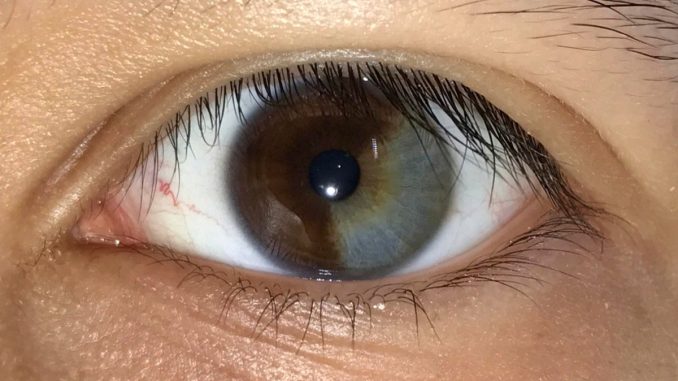
Have you ever thought about how the only person you will be with for your entire life is yourself? This makes it important to learn about who you are, understand your body, and notice what makes you special. Sometimes, small differences can make you reflect on how your body operates. People can have unique feet, extra fingers, rare medical conditions, or surprising characteristics that seem hard to believe until you see them. Some of these traits are harmless, while others illustrate the complexity and unpredictability of our bodies. The images below highlight some of the most extraordinary features people have discovered about the human body. Take a look to see the unique conditions and unexpected traits that can make something as familiar as the human body feel new.
The human body varies greatly from person to person in ways we may not fully recognize. Individuals can have differences in their muscles, bones, blood vessels, nerves, and even the quantity and shapes of specific bones. Most of these variations don’t lead to any issues, even if they seem surprising at first. This suggests that unusual hands, feet, fingers, and other attributes are less puzzling than they might initially appear. Medical professionals often encounter these anatomical differences during exams, imaging, or medical procedures, and some differences are frequent enough to be significant in healthcare. Understanding the extent of human body variation naturally leads to curiosity about the reasons behind these differences.
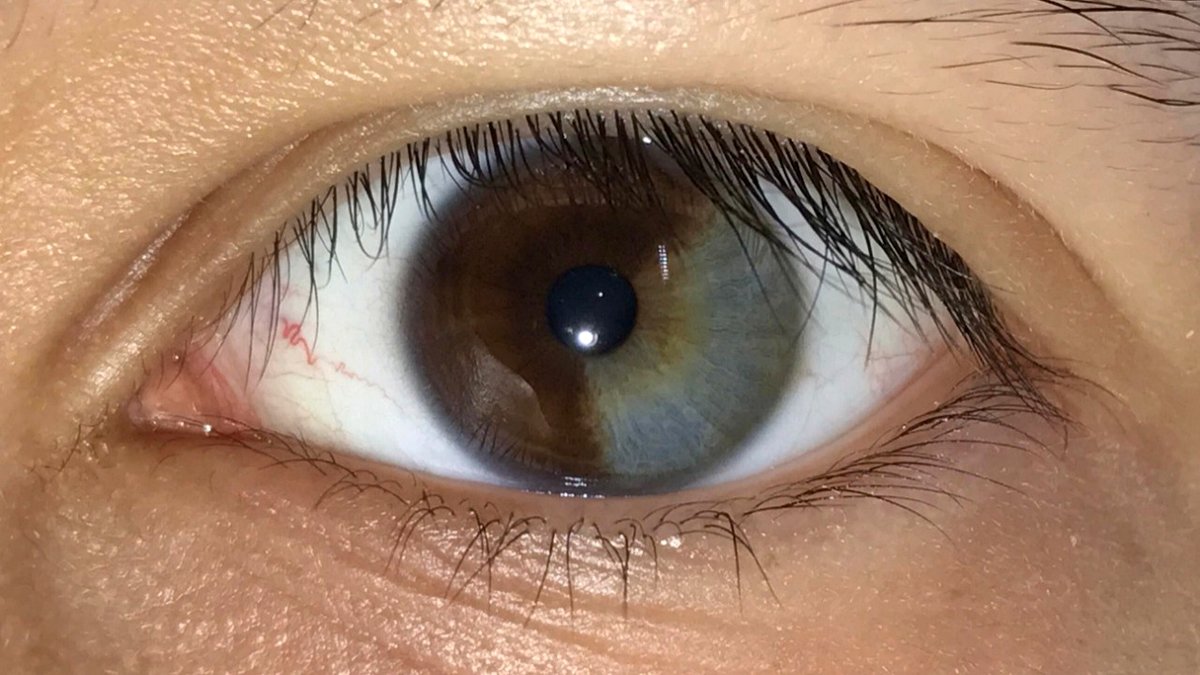
Many of these differences can be traced back to our DNA. The average human genome contains millions of small variations compared to a reference genome, along with thousands of larger structural alterations. Although these variations comprise only a tiny part of our DNA, they help clarify why people inherit distinct physical characteristics. Genetic differences can manifest as changes in single DNA letters, added or missing sequences, repeated segments, or larger rearrangements. While some changes may not have a noticeable effect, others can impact health or physical features. So, an unusual characteristic seen in a photo could stem from a biological difference that existed in the person’s genome long before it was recognized.
Our bodies can provide insight into our personal stories. Bones and teeth can reveal aspects such as age, heritage, injuries, illnesses, and other life experiences. The Smithsonian houses over 30,000 sets of human remains that researchers use to identify individuals and examine health trends in various populations. By comparing many bodies from different eras, scientists can uncover broader narratives. Human remains help to illustrate how people lived and died, including their injuries, healthcare, and environmental exposures. A single skeleton can inform us about one individual’s life, but collections of remains can show trends within entire groups.
These insights about populations become even more informative when we delve deeper into history. Over the last six million years, our ancestors have experienced significant changes in body shape, movement, diet, and brain capacity. Early humans typically had thicker, stronger bones, while later humans evolved to have lighter skeletons due to less physically demanding lifestyles. Environmental factors and dietary changes also influenced human body shapes. For instance, early humans in warmer climates developed narrower bodies and longer legs to help dissipate heat. Neanderthals, who lived in colder regions, adapted their bodies differently.
What unique features have you noticed in yourself or others?
Sources:
Source: Bored Panda, by Eligijus Sinkunas