
A solar eclipse can be an incredible spectacle, turning an ordinary day into something truly unforgettable as the Moon moves between Earth and the Sun. But experts warn that watching it incorrectly can cause serious—and potentially permanent—damage to your eyesight.
One of the biggest mistakes is looking directly at the Sun without proper eye protection. And despite what some people may assume, ordinary sunglasses are not enough to protect your eyes.
A Darker Sky Doesn’t Make the Sun Safe to Watch
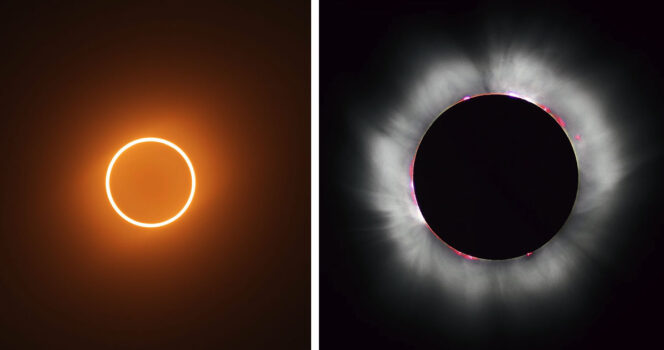
During a solar eclipse, the Moon blocks some or all of the Sun, causing the surrounding sky to become noticeably darker. That sudden change can create the misleading impression that it is safe to look upward.
However, if any portion of the Sun is still visible, its intense rays can damage the retina—the light-sensitive tissue located at the back of the eye.
The danger also extends to cameras, binoculars and telescopes. Looking through these devices without specially designed solar filters can expose the eyes to concentrated sunlight and cause severe injury.
The Damage May Not Hurt at First
One of the most frightening aspects of solar eye damage is that it can happen without immediate pain. The retina does not contain pain receptors, so someone may stare at the Sun and feel completely fine at the time.
Vision problems can appear later.
This condition is known as solar retinopathy. Symptoms may include blurred vision, distorted eyesight, difficulty seeing details or blind spots. In severe cases, the damage can become permanent and result in lasting vision impairment.
Why Regular Sunglasses Aren’t Enough
Experts strongly advise against using ordinary sunglasses to view a solar eclipse. Wearing multiple pairs at the same time does not make them safe for direct viewing either.
There are also several other makeshift methods that should be avoided, including darkened glass, photographic film and X-ray film. These materials do not provide reliable protection from the Sun’s harmful radiation.
For direct viewing, people should use eclipse glasses or a solar viewer specifically designed for observing the Sun. Look for products that comply with the ISO 12312-2 international safety standard.
Anyone using a telescope, binoculars or a camera should also make sure it has a properly designed solar filter installed correctly over the front of the optical device.
There Are Safer Ways to Enjoy an Eclipse
If you don’t have certified eclipse glasses, you don’t have to miss the event. Watching a livestream is one safe alternative, while indirect viewing methods can also allow you to experience the eclipse without looking directly at the Sun.
One traditional option is a pinhole projector, which allows sunlight to pass through a tiny opening and creates a projected image of the Sun on another surface.
The key is to look at the projected image—not through the hole and never directly at the Sun.
A simple pinhole projector can be made with two pieces of white card, aluminum foil, tape and a pin. Cut an opening in one piece of card, cover it with foil and carefully make a tiny hole in the foil. With your back toward the Sun, hold the card so sunlight passes through the pinhole and projects an image onto the second piece of white card.
However you choose to watch, the message from experts remains simple: protect your eyes and never take unnecessary chances with your vision.