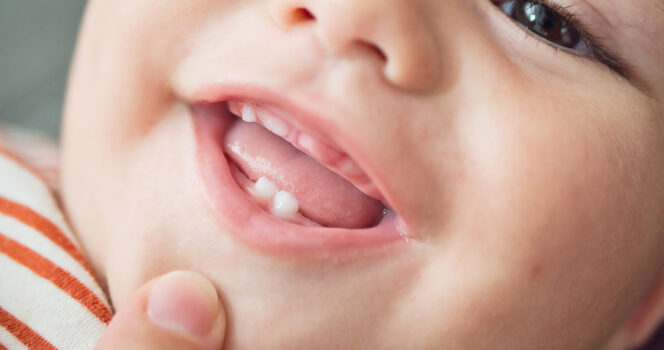
Medical experts are encouraging parents to hold on to their children’s baby teeth, as they may one day become a valuable source of stem cells capable of helping treat serious diseases.
One inspiring example is Jenson Wright, who was diagnosed with leukemia at the age of seven after previously battling both lymphoma and leukemia when he was just four years old. Despite undergoing multiple rounds of chemotherapy, his condition continued to worsen, leaving his family fearing the worst.
Then came a remarkable breakthrough. Jenson received a stem cell transplant derived from donated umbilical cord blood — a selfless gift from a mother who had chosen to store and donate her child’s cord blood at birth. Within days, the healthy stem cells began fighting the disease, and years later doctors declared Jenson cancer-free.
His story highlights the life-saving potential of stem cells, and researchers are now exploring another promising source: baby teeth.
When children naturally lose their baby teeth, the dental pulp inside contains special stem cells known as mesenchymal stem cells. These cells have shown the ability to regenerate tissues, repair damage, and potentially play a role in future treatments for a range of diseases and injuries.
Unlike embryonic stem cells, which remain controversial, or bone marrow stem cells, which require invasive procedures to collect, stem cells from baby teeth can be obtained easily and painlessly. Parents can choose to preserve these teeth through specialized stem cell banks, where the cells are stored for possible future medical use.
While the science remains in its early stages and many treatments are still under development, researchers believe dental stem cells could eventually become an important tool in regenerative medicine.
The process does come at a cost, as private stem cell banks charge fees for collection and long-term storage. For some families, however, the possibility of having a biological safeguard for their child’s future health may be worth the investment.
As research continues to advance, a simple baby tooth that would normally be thrown away could one day become a powerful resource in the fight against disease.