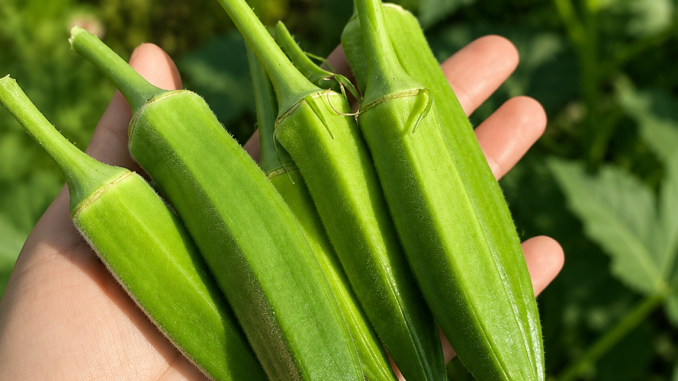
The humble okra pod, known for its soft texture and mild, earthy flavor, has quietly remained a staple in many traditional kitchens for generations. Often used in soups, stews, or simple side dishes, okra is sometimes overlooked despite the impressive nutritional value it offers. In recent years, however, health experts and nutrition researchers have begun drawing greater attention to this green vegetable for its wide range of wellness benefits. Rich in fiber, antioxidants, vitamins, and plant compounds, okra supports the body in several important ways and proves that some of the best health-supporting foods are also among the simplest.
One of okra’s most unique characteristics is its natural mucilage — the gel-like substance released when it is sliced or cooked. Although some people may not enjoy the texture, this natural compound plays an important role in digestive health. The mucilage gently coats the digestive tract, helping food move more smoothly through the intestines while supporting regular bowel movements. Unlike harsh digestive remedies, okra provides a more natural and balanced form of support for the stomach and intestines. Light cooking methods such as steaming or blanching help preserve these beneficial properties while also supporting a healthier gut environment. For people who struggle with occasional digestive discomfort or irregularity, adding okra to meals may offer noticeable relief over time.
Beyond digestion, okra contains several nutrients that are especially valuable for maintaining long-term health as the body ages. It is an excellent source of Vitamin K, which helps strengthen bones and supports the body’s ability to properly use calcium. This can contribute to improved bone density and reduced risk of fractures. Okra also provides folate, an important nutrient involved in cell repair and cognitive health, while Vitamin C helps strengthen the immune system and protect the body against common illnesses. Together, these nutrients support both physical strength and overall resilience, helping many older adults maintain energy and independence.
Another reason okra continues to gain popularity is its affordability and flexibility in the kitchen. It grows well in many climates and can be prepared in numerous ways depending on personal preference. Roasted okra becomes crispy and flavorful, making it a healthier alternative to processed snacks. It can also be added to stir-fries, curries, soups, salads, or sautéed dishes. Its mild flavor blends easily with herbs, spices, and different cooking styles, making it simple to include in regular meals without much effort.
Despite its many advantages, okra may not be suitable in large amounts for everyone. It naturally contains oxalates, compounds that may contribute to kidney stone formation in people who are already prone to kidney-related conditions. In addition, its high Vitamin K content may affect blood-thinning medications such as warfarin. Individuals taking these medications or managing kidney issues should speak with a healthcare professional before making major dietary changes.
Okra is a reminder that effective nutrition does not always require expensive supplements or complicated health trends. Sometimes, long-term wellness begins with consistent habits and simple whole foods that quietly support the body day after day. By helping digestion, supporting heart and bone health, and contributing valuable nutrients, okra demonstrates how powerful everyday vegetables can be when included as part of a balanced lifestyle.