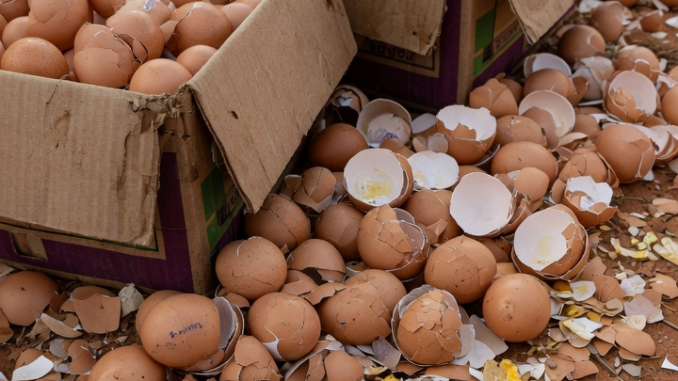
Every morning, millions of people crack open eggs for breakfast and immediately toss the empty shells into the trash without a second thought. Most see them as nothing more than messy kitchen waste. However, gardening experts and environmentally conscious homeowners are now discovering that leftover eggshells can actually become one of the most useful natural resources for both the home and garden.
While eggs themselves are praised for their nutritional value, the shells are packed with calcium and important minerals that can provide surprising benefits when reused properly. Instead of ending up in landfills, these simple kitchen scraps can help protect plants, improve soil quality, attract beneficial wildlife, and support a healthier outdoor environment.
One of the biggest frustrations for gardeners is dealing with destructive pests like slugs, snails, and cutworms that damage flowers and vegetables overnight. Many commercial pesticides contain harsh chemicals that homeowners would rather avoid, especially around children, pets, or edible plants. Crushed eggshells offer a natural alternative. When scattered around plants, the sharp edges create an uncomfortable barrier that crawling pests avoid crossing, helping protect gardens without harmful chemicals.
Eggshells may also discourage larger animals such as deer from entering garden spaces. Homeowners living near wooded areas often struggle with deer feeding on flowers, shrubs, and vegetables. The scent left behind on crushed eggshells can act as a mild natural deterrent, encouraging wildlife to move elsewhere while leaving plants untouched.
At the same time, eggshells can attract beneficial birds to your yard. Birds require large amounts of calcium during nesting season to produce strong eggs of their own. By rinsing, drying, and crushing eggshells before placing them near feeders or garden areas, homeowners can provide a valuable natural supplement that encourages birds to visit more often. These birds can also help reduce insect populations naturally.
Beyond pest control and wildlife benefits, eggshells are highly valued for their impact on soil health. Eggshells are rich in calcium carbonate along with trace minerals that slowly break down and nourish the soil over time. Mixing finely crushed shells into garden beds or compost piles can improve soil structure and provide long-term nutrients that support stronger plant growth.
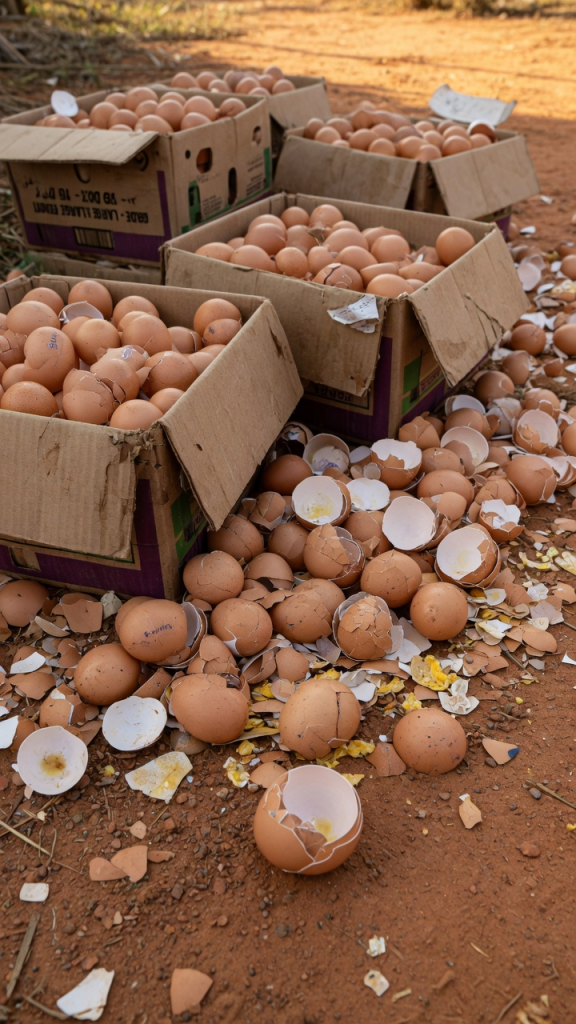
This is especially helpful for vegetable gardens. Crops like tomatoes, peppers, and eggplants are vulnerable to blossom-end rot, a common condition caused by calcium deficiency that creates dark, sunken spots on the bottom of the fruit. Adding crushed eggshells to the soil during planting can help provide the calcium these plants need as they grow, leading to healthier harvests and better-quality produce.
Eggshells may also help balance overly acidic soil. Instead of relying entirely on commercial soil treatments, many gardeners use crushed shells as a gentle natural way to gradually improve pH levels around sensitive plants. Over time, this can create a healthier environment for roots and improve overall plant performance.
One of the easiest ways to reuse eggshells is by adding them directly to a compost pile. Crushed shells help aerate compost while slowly breaking down into nutrient-rich organic matter that can later be returned to the garden. It is a simple habit that reduces waste and supports a more sustainable lifestyle.
The next time you crack open eggs for breakfast, it may be worth reconsidering what happens to the shells afterward. What many people view as useless trash could actually become a valuable tool for creating a healthier garden, supporting local wildlife, and reducing everyday household waste naturally.