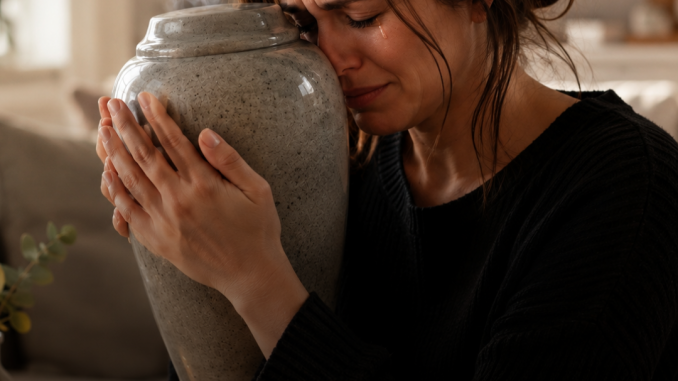
Grief rarely follows logic. After losing someone deeply loved, the heart searches for anything that still feels connected to them — a voice message, a favorite sweater, an old photograph, or, for many families, an urn resting quietly inside the home. Keeping ashes nearby can feel comforting at first, almost as if the person is still part of everyday life. Yet behind that comfort, many people quietly wrestle with difficult emotional and spiritual questions they never expected to face.
For some, keeping cremated remains at home feels natural. The urn becomes a symbol of closeness, memory, and ongoing love. It may sit in a peaceful corner surrounded by candles, flowers, or treasured keepsakes. Families often describe a sense of calm knowing their loved one is still “near.” In the early stages of grief, that presence can ease the shock of loss and provide emotional reassurance during lonely nights and painful anniversaries.
But over time, emotions can become more complicated.
Many people begin wondering whether holding onto ashes helps healing — or delays it. Some struggle with guilt at the thought of scattering or burying them later. Others fear they are somehow abandoning the person they loved if they choose to let the ashes go. In some cultures and religious traditions, cremated remains are expected to rest in sacred ground, while other beliefs fully support keeping them within the family home. These different perspectives often leave grieving relatives feeling torn between emotional comfort and spiritual uncertainty.
The decision can also affect family relationships. One relative may find peace in having the urn nearby, while another may feel emotionally overwhelmed each time they see it. Disagreements sometimes arise over where the ashes should stay, who should eventually inherit them, or whether a permanent memorial should be created elsewhere. What begins as a deeply personal choice can slowly become a source of tension if families avoid discussing their feelings openly.
There are also practical considerations people rarely think about in the beginning. Families moving to a new home may wonder how to transport ashes safely. Others worry about accidents, damage to the urn, or what will happen to the ashes many years from now. Some eventually realize they have spent so much energy protecting the remains that they never fully allowed themselves to process the loss itself.
Still, for many grieving people, there is no perfect answer.
Some families keep ashes at home for a few months before choosing a memorial service or scattering ceremony later. Others feel completely at peace keeping them nearby forever. What matters most is making a decision that brings emotional clarity rather than fear, pressure, or guilt. Grief changes over time, and choices that feel right today may evolve as healing slowly begins.
In the end, the question is not only where ashes belong — but what helps the living continue forward while still honoring the memory of the person they lost. Love does not disappear with distance, and remembrance is not measured by where an urn rests. Sometimes healing comes from holding on. Sometimes it comes from finally letting go.
Continues…