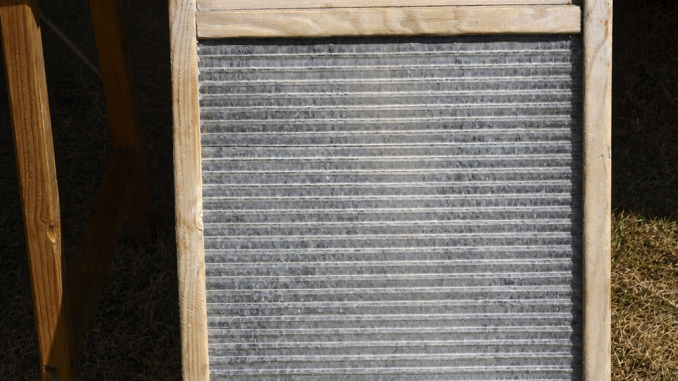
Last weekend, while browsing through a crowded yard sale filled with antique dishes, faded books, and dusty collectibles, I noticed an unusual wooden object tucked away on a corner table. It had worn wooden sides, metal rollers, and a handcrafted appearance that instantly sparked curiosity. A small handwritten note beside it read: “Vintage Laundry Wringer.”
I picked it up carefully, feeling the weight of the old wood and metal in my hands. It was solid, clearly built to last, and carried the unmistakable charm of another era. Growing up with modern washing machines and dryers, it was hard to imagine a time when laundry required so much physical effort. But before electricity transformed everyday life, washing clothes was one of the most demanding household chores imaginable.
Long before automatic washers existed, families spent entire days doing laundry. Water had to be carried from wells or rivers, heated over fire, and used carefully. Clothes were scrubbed by hand, rinsed repeatedly, wrung out, and finally hung outside to dry. Every stage demanded patience, strength, and practical tools that could make the process slightly easier.
Among the most recognizable tools from that time was the washboard — a wooden frame fitted with a ridged metal surface used for scrubbing fabric clean. Other devices, such as hand agitators and laundry wringers, helped move clothing through water or squeeze excess water from heavy fabrics. These tools were essential in reducing the exhausting labor of weekly washing days.
Most of these items were made from sturdy wood and metal, designed to survive years of constant use. Their construction reflected the craftsmanship and resourcefulness of earlier generations, long before plastic appliances became common. Even today, many of these vintage pieces still survive in barns, attics, flea markets, and antique shops, quietly preserving stories from the past.
As I stood there examining the wringer, I imagined the countless households that once relied on it. Laundry day was often more than a chore — it was part of daily community life. Neighbors gathered near rivers, shared washhouses, exchanged stories, and worked side by side while completing one of the toughest domestic tasks of the time.
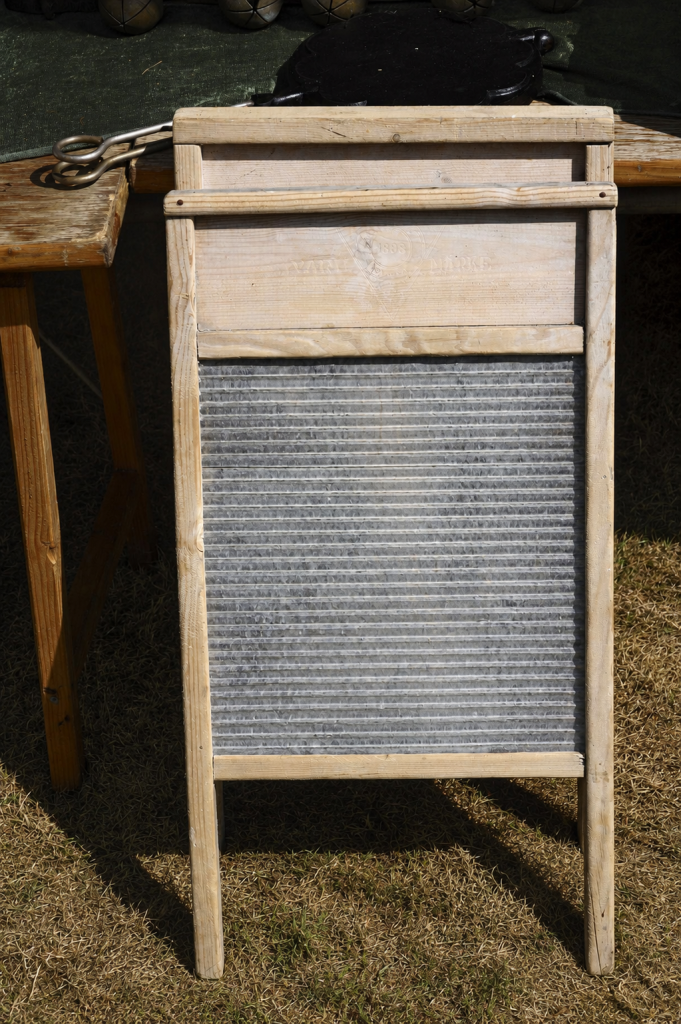
The arrival of electric washing machines dramatically changed household routines. Tasks that once consumed an entire day could suddenly be completed in a fraction of the time. Over the years, older laundry tools gradually disappeared from everyday use, replaced by faster and more convenient technology.
Still, these objects continue to fascinate collectors, historians, and younger generations. What once seemed ordinary now feels extraordinary because it offers a direct connection to how people once lived and worked. Every scratch, groove, and worn handle tells a quiet story of effort, resilience, and care.
Today, vintage laundry tools are often displayed as decorative pieces in homes, cabins, restaurants, or museums. Their rustic appearance adds character, but their real value lies in the history they represent. They remind us of a time when even routine household tasks required creativity, endurance, and determination.
I ended up bringing the old wringer home, not because I planned to use it, but because it felt like holding a small piece of living history. Sitting on a shelf now, it serves as a reminder that everyday objects can carry remarkable stories — stories about hard work, ingenuity, and the generations who built their lives around tools like these.
In the end, vintage laundry tools are far more than forgotten antiques. They are lasting symbols of perseverance, craftsmanship, and human connection — quiet reminders that history often survives in the simplest objects of everyday life.