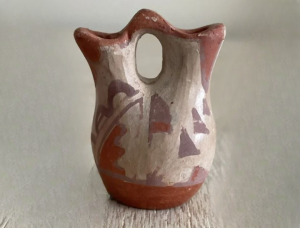
A Closer Look at the Native American Wedding Vase and Its Symbolism
For generations, Indigenous communities have preserved meaningful traditions through ceremonial objects that represent identity, unity, and cultural values. These items are far more than simple decorations—they carry stories, spiritual significance, and deep connections to heritage. One of the most recognized examples is the Native American wedding vase.
If you’ve ever seen one used during a traditional ceremony, you may remember the touching moment when a couple drinks from it together. While the act appears simple, it symbolizes centuries of history, partnership, and shared commitment.
In this article, we’ll explore the origins, symbolism, and lasting importance of the Native American wedding vase, and why it continues to represent harmony, respect, and lifelong unity today.
The Cultural Importance of Indigenous Ceremonial Objects
Throughout history, Indigenous communities have used ceremonial objects to mark important moments in life. These artifacts often play a role in celebrations, spiritual gatherings, marriages, and community traditions. Every piece carries meaning and reflects the beliefs, values, and artistic heritage of the people who created it.
Among these ceremonial items, the Native American wedding vase stands out because of its unique design and powerful symbolism. More than just a handcrafted pottery piece, it represents unity, cooperation, and the joining of two lives into one shared journey.
What Is the Native American Wedding Vase?
The Native American wedding vase is a traditional handcrafted vessel commonly associated with marriage ceremonies. Its most recognizable feature is the two separate spouts connected by a single body and handle.
At first glance, it may appear to be simply decorative pottery. However, its design carries deep symbolic meaning. The two spouts represent two individuals coming together in marriage while still maintaining their individuality. The shared base symbolizes unity, balance, and partnership.
For many communities, the vase serves as a reminder that a successful relationship requires patience, communication, and mutual respect.
The Craftsmanship Behind the Vase
Creating a wedding vase is often considered both an artistic and spiritual process.
Gathering the Materials
Traditionally, artisans begin by gathering natural clay from the earth. In many Indigenous traditions, the land itself is viewed as sacred, making the process of collecting materials meaningful from the very beginning.
Shaping the Vase
The clay is carefully prepared and shaped by hand using traditional pottery techniques passed down through generations. Each movement requires precision and patience, reflecting the care placed into creating an object that will be used during an important life event.
Designing the Two-Spout Structure
The most distinctive element of the wedding vase is its dual-spout design. Crafting this structure requires balance and skill because both spouts must connect smoothly to the central chamber.
Although functional, the design is primarily symbolic. It visually represents two separate paths joining together as one.
The Meaning Behind the Decorative Elements
Many wedding vases include intricate patterns and artistic details that hold symbolic meaning.
Nature-Inspired Symbols
Designs may include representations of:
Earth
Water
Sky
Rain
These natural elements often symbolize harmony, growth, life, and balance.
Animal Motifs
Some vases feature animals believed to represent qualities such as:
Strength
Protection
Wisdom
Endurance
Patterns and Colors
Patterns are often inspired by cultural stories, spiritual beliefs, or regional traditions. Colors may also carry special meanings depending on the community and artistic style.
Together, these details transform the vase into more than artwork—it becomes a meaningful symbol of blessings and hopes for the couple’s future.
The Wedding Ceremony Tradition
The wedding vase plays an important role during traditional marriage ceremonies.
Filling the Vase
The vase is filled with water or another meaningful liquid. Water is often associated with purity, life, renewal, and spiritual connection.
The Shared Drink
During the ceremony, the couple drinks from the vase simultaneously, each using one of the two spouts.
This act requires coordination and trust because both individuals must work together carefully to avoid spilling.
Symbolic Meaning
Successfully drinking together represents:
Harmony in marriage
Mutual cooperation
Shared responsibility
Balance and partnership
The ritual serves as a visual reminder that strong relationships depend on teamwork and understanding.
More Than a Ceremony
The wedding vase tradition carries lessons that extend beyond the wedding day itself.
Marriage is not viewed simply as two people living side by side. Instead, it represents an ongoing partnership built on communication, patience, and support. The act of sharing a drink from the vase reflects the importance of working together through life’s challenges and experiences.
The Role of Community
Indigenous ceremonies often emphasize the importance of family and community support.
During the wedding vase ceremony, family members, elders, and friends witness the ritual. Their presence symbolizes encouragement, shared responsibility, and collective support for the couple’s future together.
This sense of community reinforces the idea that marriage is not only a personal commitment but also a bond strengthened by the people around it.
A Lifelong Keepsake
After the ceremony, many couples keep the wedding vase displayed in their home.
For some, it serves as a reminder of the promises made during the ceremony. For others, it represents family traditions, blessings, and the strength of unity.
In some families, wedding vases are passed down through generations as treasured heirlooms. Each generation adds new memories and stories to the object’s history, helping preserve cultural identity and tradition.
Tradition in the Modern World
Today, many couples continue to include the wedding vase in ceremonies while blending traditional and modern elements together.
Its continued use highlights the importance of preserving cultural heritage even as societies evolve. For many people, traditions like this provide a sense of grounding, connection, and meaning in an increasingly fast-paced world.
Why These Traditions Still Matter
Ceremonial traditions such as the wedding vase continue to resonate because they represent universal human values.
They remind us of:
The importance of unity
The strength found in cooperation
The value of commitment
The role of community and family
Even outside its original cultural context, the symbolism of the wedding vase offers lessons about partnership, balance, and respect.
Respecting Cultural Heritage
It’s important to approach Indigenous ceremonial objects with appreciation and respect. The wedding vase is not merely a decorative piece—it carries deep cultural and spiritual significance for the communities connected to it.
Learning about these traditions helps encourage cultural understanding and appreciation while honoring the history behind them.
Final Thoughts
The Native American wedding vase is a powerful example of how art, symbolism, and tradition can come together in a meaningful way.
From the careful process of crafting the vase to its role in wedding ceremonies, every detail reflects values centered around love, partnership, unity, and shared responsibility.
Its lasting presence today shows that meaningful traditions continue to hold value across generations. By learning about these ceremonial artifacts, we gain not only insight into Indigenous cultures but also a deeper understanding of the universal importance of connection, commitment, and community.